Changing lifestyle

Well, it is the Autumn officially and as that is the time of theyear when I feel new challenges should be attempted I am aiming here to document my changing lilfestyle.  I enjoy making my own jam, chutney and cakes and biscuits.


I cook things from scratch and rarely use prep prepared food.  I have about 1/6 acre of garden and I have a very small greenhouse and a tiny lawn.
 I also enjoy knitting mainly socks and making quilts. My aims are to be more green and less involved in the rat race to slow down. My first steps were the usual ones everyone makes

Recycling

I recycle bottles, cans, paper and cardboard, vegetable peelings, eggshells, tetrapacks, batteries, clothes, shoes. I shred important documents and add them to the compost heap.

I bought 2 compost bins to take the garden waste and set up a wormery, I made an additional compost bin out of a blue tub.

Reducing energy.

I sent off for a free electricity monitor so I could monitor what energy is used. I had a new boiler and central heating system installed as this is more efficent and our old system was over 25 years old.

I bought a second hand breadmaker so we can make our own bread easily this is less costly than buying bread.

I lined all the curtains and hung a floor curtain in front of the front door to stop draughts.

I turned down the temperature in the bedroom radiators and turned the thermostat down to 19 degrees when we are at home and 15 when we are out. We put a sweateron if we are cold.

I grow my own fruit raspberries, gooseberries, strawberries, rhubarb, pears, apples, plums, damsons redcurrants and blackcurrants and I grow some of our vegetables. my garden is small and not too sunny with all the fruit I grow.

Reduce

I reduced the amount of meat and fish we eat and the amount of waste we produce. I attached guttering to the shed and put two linked water butts fed from the guttering to collect rainwater and reduce out water usage. I reduce the amount we spend on food and I buy locally sourced food where possible.

My aims for the future

For the immediate future I would like to buy a large water butt and link it to water collected on the house roof. I would like to grow more vegetables next year. I am planning to put a water saving device in the toilet cistern to save water.

I am planning to learn about beekeeping and possibly get my own hive.


For the longer term future I would like  keep bees, to have our own chickens for eggs and our own rabbits for meat. and possibly our own pidgeons for meat. Ideally I would love to have the space for livestock but at the urban fringe I think this is the best we can manage.

If  I am made redundant I would like to get an allotment without being made redundant I don’t have time for this

What shall I do next

Well in a few weeks I will be out of a job. I have been working full time for years. I am just wondering what to do with the rest of my life.

There are no jobs in commutable distance that I am either qualilfied to do or have a hope in hell of getting at the moment. 100 people applied for one position in admin where I work and they were all capable well qualified people. I am nearly 50 and not attractive my chances are not that great. In addition I am very well educated so it frightens peopls and makes them wary. So I had better get used to working for myself or not working for a while.

So let me make a list of what the positives are so I can look forward to this time.

So here are my musings what do I like doing well I will have time to clean the house and cook proper meals from scratch  and we won’t have to spend all weekend shopping and doing washing as I can do it during the week.  

I will have time to bake my own bread something I used to love doing.

I will have time to sit in the park in the sunshine and read a book

I could sit at the castle eating an ice cream

I could visit an art gallery

I will have time to go to the library.

I will have time to sew and knit.

I will have time to make sloe gin and jam and chutneys and elderflower cordial.

I would like to go walking more but I am a bit wary of going out into the countryside on my own. If I lived somewhere posher it might not be  such a worry but on the edge of a huge town there are a lot of  undesirable people about and it can be unsafe or at least rather scary.

Perhaps I could join a walking group. I want to keep my subscrition to the leisure centre up for a pound a day I get to swim several times a week and I love swimming.

I can practice my music and really get to grips with the Bach two part inventions.

I could volunteer and put something back into society.

I could start my own business or work from home.

I can really look after my garden I will have time to do a bit every day not just the emergency stuff once a week.

I could get an allotment.

I could make quilts which I absolutely love.

I can concentrate on losing some weight and doing more exercise.

I could learn a new language

I could learn to live more sustainably, do more for myself and save money and help to sustain the planet.

I could visit the city farm I have always wanted to go there.

I could write a book

I could learn to be a real botanist rather than a plant scientist.

I could visit all the trust nature reserves

I could write my blog regularly and make it interesting.

Thats all for now lets see what other things I can come up with. What will I miss.

The salary, the chance to use my brain and education, the company, the banter, the feeling that I am part of society and am contributing to the family and society.

How can I minimise those negatives? I need to give this some thought


Time

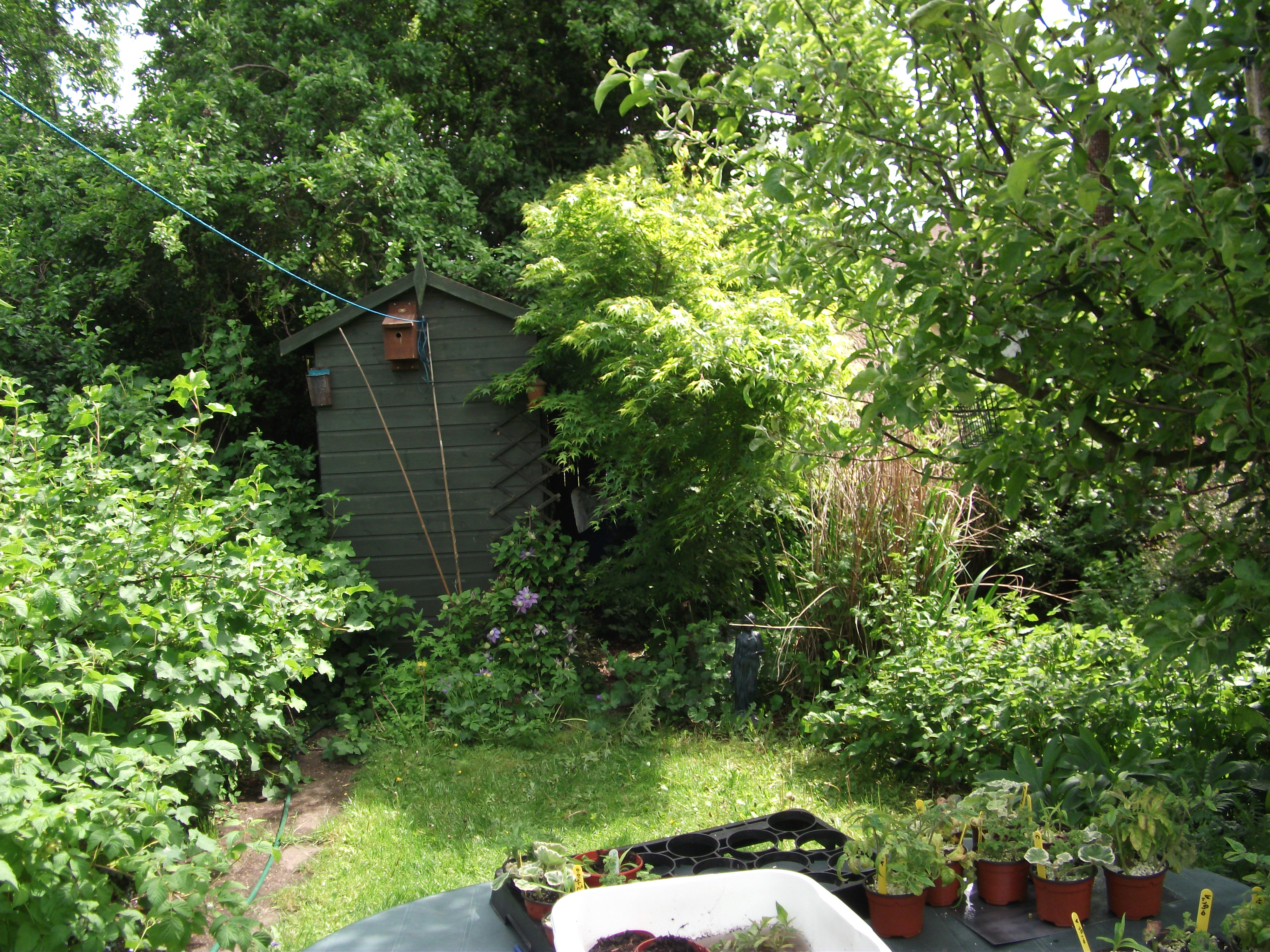
Due to working 12-16 hours a day I haven’t been able to keep up with the blogging however I have bought myself a new camera so I thought I would add a few pictures of the garden a couple of weeks ago before work became so mad.

This is the quiet space where I can sit and think

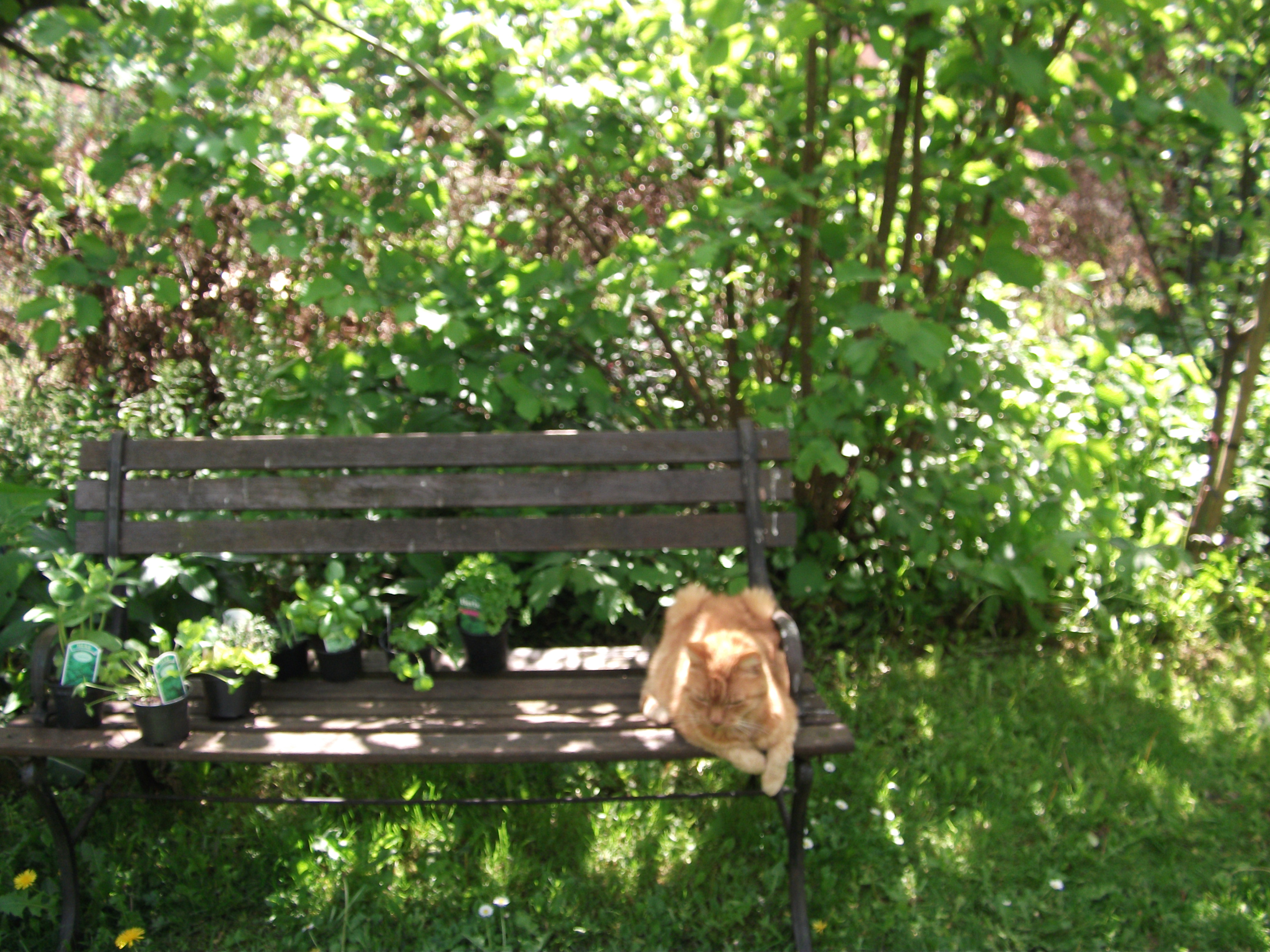
 Then there is the space for the cat to sit in the shade with his own private bench.

Even my pet gets his own seat in the shade.


Finally here is the herbaceous border. In reality the garden is rather overgrown but it all looks rather lovely in pictures.

Everything looks very green and lovely

The garden tends to grow trees and fruit bushes as they are easy to grow and look after themselves most of the time. The sweet cecily in the right tastes lovely at the momane a real hit of aniseed if  you are working in the garden.

Well I enjoyed sharing my garden. Back to work now

Dandelion Ecology, food for insects

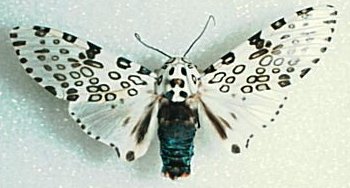
Dandelions are a food plant for a number of butterflies and moths. These include the spectacular Giant leopard moth  Hypercompe scriboniaHypercompe scribonia

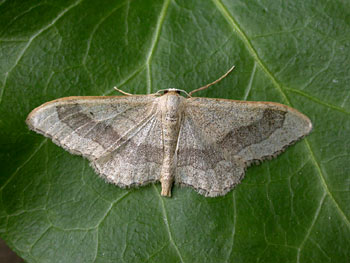
The Geometridae moth caterpillars that feed on dandelions including the riband wave Idaea aversataIdaea aversata

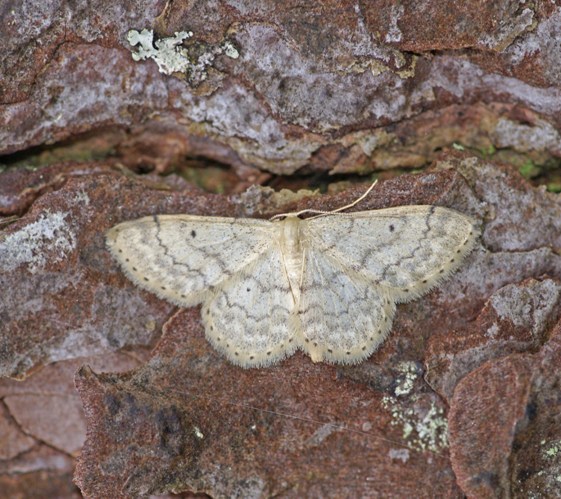
and the small fan footed wave Idaea biselata.

Idaea biselata

In addition the caterpillars of the orange swift Triodia sylvina  feed on dandelions.

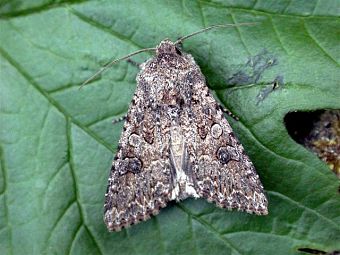
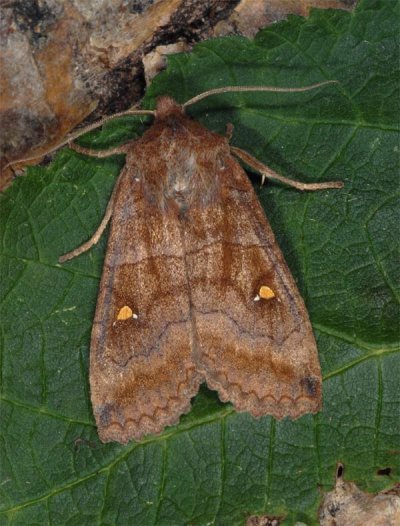
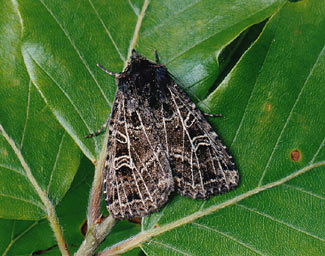
Many Noctuidae moth caterpillars feed on dandelions including those of the Grey Chi  Antitype chi


Antitype chi

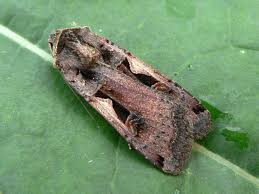
 and The flame  Axylia putris,Axylia putris

The shark Cucullia umbratica,Cucullia umbratica

The nutmeg  Dicestra trifolii,

The satellite  Eupsilia transversa,

The gothic  Naenia typica,Naenia typica

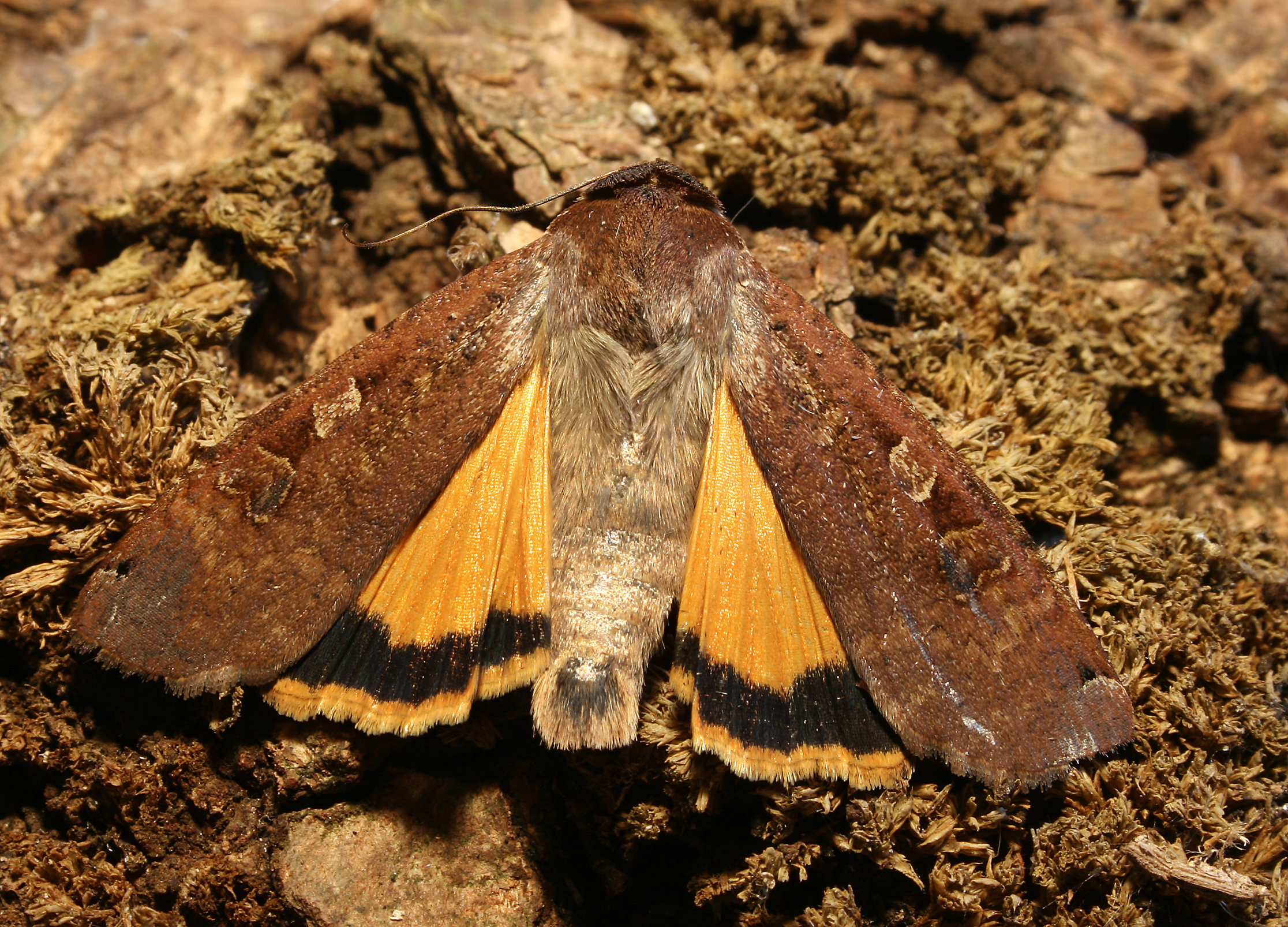
The Large Yellow Underwing Noctua pronuba,

and the Setaceous hebrew character Xestia c-nigrum

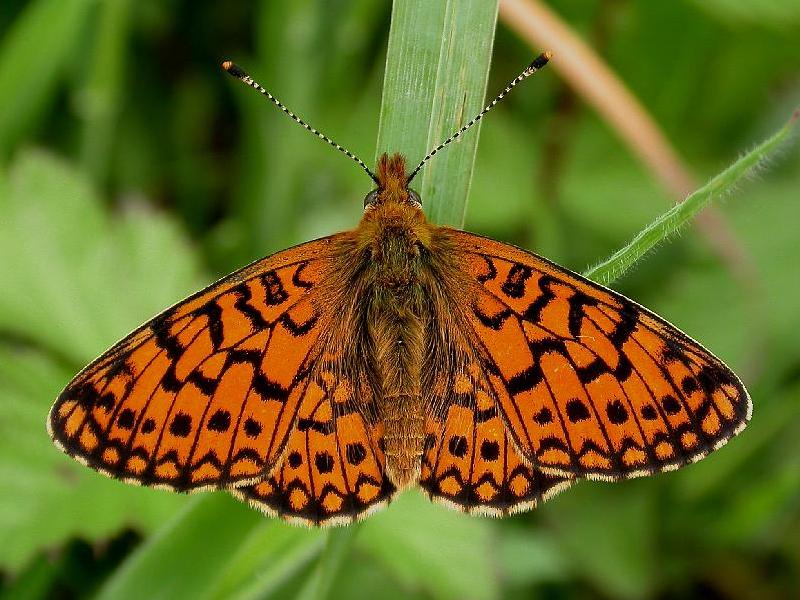
In addition dandelions are also an important food plant for bees especially in early spring when pollen and nectar of few other food sources are available. They are also used as a nectar source by the pearl bordered fritillary  Boloria euphrosyne

Dandelions control and allelopathy

Although where ever possible I am not a user of herbicides, dandelions could be considered an exception.

Even the smallest fragment of root will regenerate and with the production of hundreds of seeds from each plant the potential for regeneration of plants and spread of seedlings is immense.

Dandelions are broad leaved, herbaceous, perenial plants and therefore systemic weedkiller such as round up containing glyphosate or a herbicide containing 2,4-D such as Weed-B-Gon will kill them without damaging grass.

For those who prefer less commercial methods vinegar has been shown to kill dandelions when applied directly onto the leaves. However vinegar is not selective.

If using a commercial weedkiller the active ingredient is translocated from the leaves to the root. Glyphosate is inactivated when it contacts soil.  However, the time taken for it to become inactivated can vary from 3 days to over 2 years in Sweden. So the rate of degradation is closely linked with the soil type.

Glyphosate  inhibits the action of  an enzyme ( 5-enolpyruvylshikimate-3-phosphate synthase) involved in the synthesis of amino acids tyrosine, tryptophan and phenylalanine. It is absorbed through foliage and translocated to growing points it is therefore only effective on actively growing plants.

2,4-dichlorophenoxyacetic acid abbreviated as 2,4-D was one of the first herbicides to be used in the 1940s. It is inexpensive to manufacture and kills many broadleaved plants whilst leaving grasses largely unharmed. 

Obviously if dandelions are treated with herbicides they should not be used for food or medicine as they will be contaminated.

Regularly mowing the lawn reduces the height of the dandelions and their leaf area. It is possible to individually remove the plants but it is time consuming.

Dandelion root extracts have been demonstrated to inhibit seed germination and have therefore an allelopathic effect on other plants. Leaf extracts produced much less inhibition.

Dandelions nutritional content and medicinal usage

There are many nutients in dandelions including vitamins A,B1, B2, B3 C and E and minerals such as calcium , copper iron, magnesium and phosphorus. They contain more beta carotene than carrots, more potassium than bananas, more iron than spinach and more lecithin than soyabeans. Therefore despite its bitter taste dandelion is packed with nutrients.

The scientific name for dandelion Taraxacum officinale translates as an official remedy for disorders. The information is given here for interest. I have not tried these remedies or tested their efficacy or side effects and I am not recommending them. However, I have found them freely available on the internet or in books.

Culpapers herbal describes it as follows

 “It is under the dominion of Jupiter. It is of an opening and cleansing quality, and therefore very effectual for the obstructions of the liver, gall and spleen, and the diseases that arise from them, as the jaundice and hypocondriac; it opens the passages of the urine both in young and old; powerfully cleanses imposthumes and inward ulcers in the urinary passage, and by its drying and temperate quality doth afterwards heal them; for which purpose the decoction of the roots or leaves in white wine, or the leaves chopped as pot-herbs, with a few Alisanders, and boiled in their broth, are very effectual. And whoever is drawing towards a consumption or an evil disposition of the whole body, called Cachexia, by the use hereof for some time together, shall find a wonderful help. It helps also to procure rest and sleep to bodies distempered by the heat of ague fits, or other wise. The distilled water is effectual to drink in pestilential fevers, and to wash the sores.

You see here what virtues this common herb hath, and that is the reason the French and Dutch so often eat them in the Spring; and now if you look a little farther, you may see plainly without a pair of spectacles, that foreign physicians are not so selfish as ours are, but more communicative of the virtues of plants to people.”

Traditionally Dandelion greens applied as a poultice were used to treat breast cancer

The potassium present in the leaves provides dandelion with its diuretic properties. These diuretic properties have resulted in its use to ‘cleanse’ the kidneys and aid kidney stones.

 The bitter compounds in the leaves and root are reputed to stimulate digestion leaves by increasing bile production in the gall bladder and are mild laxatives. In France, dandelion flower buds are sometimes served with pickled beetroot as an apperatif. The increase in bile production which is stimulated by dandelions has led to its use in the treatment of liver complaints.

As so many compounds are present in dandelions the interaction of the various constituents may provide the beneficial properties rather than any one chemical.

The flowers have been used as a poultice for cuts and the latex like sap from the stalk was traditionally used to treat warts although there is some evidence that it can cause contact dematitis in susceptible individuals.

In summary the plant has been used for hundreds of years to treat a variety of disorders both internally and externally.

DANDELION RECIPES

Dandelion Soup

I tried this one on the family this weekend and we agreed that although it was not the best soup we had ever drunk, it was quite palatable and tasty.


There is a traditional soup in France, creme de pissenlits, which balances dandelion’s spiciness and subtle bitterness with other savory flavors. It is delicious, and in my opinion is the perfect way to eat dandelion greens. The traditional French recipe uses Dijon mustard. I think it adds some lovely depth, but you may prefer it without.


INGREDIENTS
2 pounds (about 6 cups) dandelion greens, trimmed and washed
1 tablespoon butter or olive oil
4 cups vegetable stock
2 large leeks, white and light parts only, cleaned and sliced
1 carrot, cleaned and diced
2 1/2 cups milk
1 tablespoon Dijon mustard (optional)
Salt and pepper to taste
Dandelion buds and/or flower petals for garnish

1. If using more mature or very bitter tasting greens, blanch them in a pot of boiling salted water, then drain and squeeze out the excess water, chop and set aside.

2. Heat butter or oil in a large pot over medium high heat, add greens, carrot and leeks and cook, stirring often, for 15 minutes.

3. Add stock and simmer for about 15 minutes. Reduce heat to medium and whisk in milk, cook stirring frequently, until slightly thickened.

4. Puree mix in a tightly-covered blender until smooth, taking care with the hot liquid. Season with salt and pepper, and add Dijon if you like.

5. Serve in bowls and garnish with flowers or buds.

Read more: http://www.care2.com/greenliving/cream-of-dandelion-soup-recipe.html#ixzz1JrKEwxNU

 This recipe is one I am going to try out on the family

 Use young, tender leaves.

Like other leafy greens, dandelion greens are an outstanding source of vitamins A and K. To tame the greens’ natural bitterness, cook them with dried fruit, toasted nuts, and olive or nut oil.

Here’s a 15-minute recipe:

Dandelion Greens with Currants and Pine Nuts

Serves 6

Ingredients:

  • About 2 tbsp. extra-virgin olive oil, divided
  • 1 garlic clove, finely chopped
  • 1 lb. dandelion greens, ends trimmed, roughly chopped (about 2½ qts.)
  • 1/8 tsp. each kosher salt and freshly ground black pepper
  • 3 tbsp. each dried currants and toasted pine nuts
  • Lemon wedges (optional)

1. Heat 1 tbsp. oil in a large nonstick frying pan over medium heat. Add garlic and cook until fragrant, stirring, about 30 seconds.

2. Add dandelion greens in batches, turning frequently with tongs. Increase heat to medium-high, sprinkle with salt and pepper, and continue to cook, turning with tongs, until greens are wilted and tender-crisp, about 5 minutes.

3. Add currants and pine nuts and cook 1 minute more. Transfer to a serving dish and drizzle with about 1 tbsp. more oil. Serve with a squeeze of lemon if you like.

Per serving: 113 Cal., 62% (70 cal.) from fat; 2.7 g protein; 7.9 g fat (1 g sat.); 11 g carbo (2.9 g fiber); 96 mg sodium; 0 mg chol.

3 more ways with dandelion greens:

1. Sauté with spinach and layer into your favorite vegetarian lasagne.

2. Toss in a salad with sliced apples, blue cheese, and toasted walnuts.

3. Add chopped greens to pasta during the last minute of cooking, then mix with parmesan and toasted almonds.


HISTORY OF DANDELIONS

Dandelions are thought to have evolved about thirty million years ago in Eurasia. They have been used by humans for food and as an herb for much of recorded history.In spite of our general attitudes toward dandelions; they’ve survived the test of time. Also known as swine’s snout, yellow gowan, Irish daisy and peasant’s cloak, the dandelion has enjoyed allies since the 10th century. Dandelion was recommended in the works of Arab physicians in the 11th century and in an herbal written by the physicians of Myddfai in Wales in the 13th century.

Dandelion was not mentioned in Chinese herbals until the 7th century CE, nor did it appear in Europe until 1265.   While Western herbalists separate the leaves and the root, the Chinese use the whole plant.

Dandelion has a long history of traditional use in many systems of medicine in the treatment of hepatobiliary problems. The root is traditionally used to treat liver and spleen ailments 

Dandelion is used both as a food as well as a beverage. Dandelion root is often used as a substitute for coffee. The young leaves of the Dandelion plant make a useful addition to a salad.

Historically it was prized for a variety of medicinal properties, and contains a wide number of pharmacologically active compounds.  Dandelions were used as folk remedies in North America, Mexico and China. Culturally they were used to treat infections, bile and liver problems, as well as cancers, and as a diuretic. There is evidence to suggest dandelions may have anti-inflammatory effects and assist with urinary tract infections in women. Dandelion pollen may cause allergic reactions when eaten, or adverse skin reactions in sensitive individuals. Due to its high potassium level, dandelion may also increase the risk of hyperkalemia when taken with potassium-sparing diuretics.

 In the doctrine of signatures the bitter tasting leaves represented the liver and the yellow flower aligned to the bile colouring

 1485 – In folkloric China, India and Russia, dandelion was an effective liver tonic. In the 10th century, Arab physicians relied on dandelion as a laxative, diuretic and liver tonic. In 1485, European physicians used the leaves and roots of dandelions as diuretics .

They were introduced to North America by early European immigrants. Moreover, two of these three varieties are figured respectively by Anton Pinaeus in 156Í, and by Dodonaeus in 1616.Thus in Vilmorin, Andrieux et Cie’s seed-catalogue 1616, three distinct varieties of dandelion are figured. Upon the grounds of the NY experiment station, there are to be found growing wild, under conditions which seemingly preclude the possibility of their being escapes from cultivation, dandelions corresponding very closely to these three varieties.  Frontier healers recommended dandelion as a spring tonic, and it is credited with saving the lives of the pioneers in winter because of its high vitamin content.

Native Americans used it for many reasons, including treating skin problems such as acne, eczema, and hives. The Pillager-Ojibwa made a dandelion root tea as a treatment for heartburn, while the Cherokee used the tea to calm nerves. The Iroquois used dandelion for a wide variety of conditions, including anaemia, constipation, pain, and water retention. Many tribes chewed the dried sap like chewing gum and even roasted the root to make a coffee substitute.

The juice of the plant’s root is still used by herbalists to treat diabetes. It is also prescribed as a mild laxative and is considered one of the best herbs for building up the blood

A strong diuretic, its properties are absorbed through the skin. Young children who handle the flowers too much will have nocturnal enuresis, or wet the bed. This was the name given to it in former times (Wet-the-beds), and obviously recognized before the active principles in the plant were discovered and chemically isolated.

The dandelion was used in the New Mexico region of the US since it was introduced by the Spanish around 1820. Some tribal remedies included boiling the blooms in water until the water turned a bright yellow. The liquid was then allowed to sit outside overnight and a glassful drunk every morning for a month to cure heart trouble. Others ground the leaves and applied the paste to broken bones and wrapping the area with bandages encrusted with fresh leaves to speed healing. The leaves could also be ground and added to dough to be applied to bad bruises to “take the blood out”.

In 1748, a traveller in French Canada discovered that the roots of the dandelion were used in salad as a tonic.

In the mid-18th century in Pennsylvania, a large group of Mennonites brought the dandelion with them when they fled from religious persecution in Germany. They used the roots mainly for kidney and liver problems, manifested by the yellowing of the skin. The Shakers, in the mid-19th century US, also used the herb for liver problems.

Dandelion is used both as a food as well as a beverage. Dandelion root is often used as a substitute for coffee. The young leaves of the Dandelion plant make a useful addition to a salad.

This drink apparently first appeared in England in 1265, and was made from fermented dandelion and burdock roots. 1485 – In folkloric China, India and Russia, dandelion was an effective liver tonic. In the 10th century, Arab physicians relied on dandelion as a laxative, diuretic and liver tonic. In 1485, European physicians used the leaves and roots of dandelions as diuretics .

During WWII, dandelions were cultivated for the latex extracted from the roots. The latex was used to make rubber. In Dec 29, 1941 – “war machine may be rolling along two years from now on rubber tires made from Ohio-grown dandelions. The National Farm Council announced today that It had discovered a rubber-bearing dandelion, known as kok-sagyz, which will produce synthetic rubber.”  Russian Dandelions May Be Answer To Rubber Shortage . Related web pages


1. http://www.wildcrafted.com.au/Botanicals/Dandelion.html

Dandelion Etymology

DANDELION ETYMOLOGY
The genus name Taraxacum is derived from the Greek taraxos (disorder), and akos (remedy).  The officinale indicates that this was once an official remedy. The name dandelion is derived from its original Greek genus name leontodon, meaning lion’s teeth. 
 Many sources state that the name dandelion is derived from the French dent-de lion or lions tooth this may refer to the jagged edges of the leaves.  This French name may well have derived from the Greek. Several other European languages share this meaning, such as the Welsh dant y llew, Italian dente di leone, Catalan dent de lleó, Spanish diente de león, Portuguese dente-de-leão,Norwegian Løvetann, Danish Løvetand and German Löwenzahn.

In reference to the plant’s diuretic properties its old English folk-name was ‘piss-a-bed ‘ and the French still call the plant pissenlit, (or pisse au lit Fr vernacular) as do the Italians  piscialletto.  In various north-eastern Italian dialects the plant is known as pisacan (“dog pisses”), combining its diuretic qualities and referring to how common they are found at the side of pavements.

 In several European languages the seed head stage of the plant is celebrated in its name. For example Pusteblume German for “blowing flower”), soffione (Italian for “blowing”; in some northern Italian dialects), dmuchawiec (Polish, derived from the verb “blow”), одуванчик (Russian, derived from the verb “blow”). Incidentally this term is also used to refer to elderly persons explained as those so frail that a breath of wind might blow them away

In other languages the plant is named after the white sap found in its stem, e.g. Mlecz (derived from the Polish word for “milk”), mælkebøtte (Danish for “milk pot”) kutyatej (Hungarian for “dog milk”), маслачак (derived from the Serbian word маслац, meaning “butter)] Also the Lithuanian name kiaulpienė can be translated as “sow milk”], and similarly, in  Latvian it is called ‘pienene, the word being derived from piens – milk.

The alternative Hungarian name gyermekláncfű (“child’s chain grass”), refers to the habit of children to pick dandelions, remove the flowers, and make links out of the stems by “plugging” the narrow top end of the stem into the wider bottom end.

In Macedonian, it’s called глуварче, stemming from the word глув, which means deaf, because of a traditional belief that dandelion parachutes can cause deafnesss.

In Finnish and Estonian, it is called voikukka and võilill, respectively, meaning “butter flower”, referring to its buttery colour

In Dutch it is called paardenbloem, meaning “horse-flower”.]

In Chinese it is called pú gōng yīng (蒲公英), meaning flower that grows in public spaces by the riverside.] In  Japanese, it is tanpopo (タンポポ?).

Dandelion myths, legends and folklore

DANDELIONS MYTHS AND FOLKLORE


Dandelions are one of the most colourful, profuse and perverse plants. With such characteristics as these, it is to be expected that a number of myths and legends have grown up around these plants. Dandelions have been used for food and medicine for many years. As a consequence of their usefulness and bright colour most of the symbols and myths surrounding them are positive.

  Woven into a wedding bouquet, they are meant to be good luck for a newly married couple. When dandelions appear in dreams, they are thought to represent happy unions. They are also considered to be symbols of hope, summer and childhood.  Many beliefs centre on dandelions answering questions or bringing good luck. When the seeds are blown of a dandelion it was said to carry thoughts and affections to a loved one. (1)

 In medieval rituals, dandelions being the colour of gold were used to predict whether a child would be rich when the flower was held beneath the chin,a the golden glow indicated the child would be rich. In 18th century England children held the dandelion under their chin and the more golden the glow the sweeter and kinder they were.(1)


One legend surrounding these flowers was that the tallest dandelion stalk that a child could find in the early spring will show how much taller they will grow in the coming year. Dandelions have also been used as a variation on the daisy petal plucking past time of “he loves me, he loves me not” If you blow on a white dandelion head and every seed scatters then you are loved. If some seeds still cling to the stalk, then your intended has reservations about the relationship.
.

 It is also said that if you make a wish immediately before blowing on dandelion, your wish just might come true. Another belief was that the number of seeds left after blowing the seed head indicated the number of children that a girl would have in later life.(5)

According to Scott Cunningham, author of over thirty books on herbs and Wicca, Dandelion is said to increase psychic abilities when taken as a tea. A tea of the roots left steaming and placed beside the bed will call spirits. Dandelion buried in the northwest corner of the house will bring favourable winds.(5)

Others claim that the number of seeds remaining after blowing the seed head, are how many years you have left to live. A common belief is that the number of seeds left is the time, this gave rise to the term dandelion clock for the seed head. The dandelion flower opens an hour after sunrise and closes at dusk giving rise to the belief that it is a ‘Shepherd’s clock’(3).

 The property of the pappus hairs to close when moist has led to another belief. The dandelion is an excellent barometer, one of the commonest and most reliable. It is when the blooms have seeded and are in the fluffy, feathery condition that its weather prophet facilities come to the fore. In fine weather the ball extends to the full, but when rain approaches, it shuts like an umbrella. If the weather is inclined to be showery it keeps shut all the time, only opening when the danger from the wet is past.(4)

  However, dandelions are symbols of grief and the Passion of Christ in theological symbolism as well as being one of the bitter herbs of the Passover. (6)

The sticky white sap was used as a folklore cure for warts and corns (1). . As all parts of the plant may be eaten dandelion is a valuable survival tool.

  Dandelions were intentionally transplanted from Europe over to the New World in the early days of the American Colonies they have become ubiquitous and spread across the continent. Dandelions are used as folk remedies in North America, Mexico and China. More of that in medicinal uses of dandelions


  1. 1.       http://www.healthsmartsantafe.com/article/pdf/article-317.pdf
  2. 2.       Unusual Vegetables, Something New for this Year’s Garden, Rodale Press Emmaus, PA.
  3. 3.       Folkard (448. 309), from “The Child and Childhood in Folk-Thought,” by Alexander F. Chamberlain
  4. 4.       Camping For Boys by H.W. Gibson

5. Dandelion Magick: Wonder Plant of Mind, Body and Spirit http://www.suite101.com/content/dandelion-magic-a24342#ixzz1JKJt5SlX

6. http://home.intekom.com/herbsorganic/pages/working%20on/dandelion/dandelion.htm