I was struck today at how subtle this time of year is. Spring arrives with huge changes, plants spring back into growth and flowers emerge. Insects start to emerge from hibernation and the sun finally warms the back of one’s neck. This time of year the signs are less obvious and only noticed by those who observe.
A couple of days ago I saw four swifts circling and screaming in the evening sunshine the first ones I had seen for two weeks. When we crossed the channel at the beginning of the month groups of swallows were also crossing alongside the ferry. Untroubled by the political turmoil surrounding immigration. This is the one of the first markers of impending autumn. The swallows are massing, chattering on the wires. Terns and non breeding migrants start to return south in dribs and drabs. In woodlands the songs of territory and breeding are gone replaced by contact calls and mixed flocks of warblers and finches. In the garden late emerging butterflies gather on the buddleia. Whilst bees frantically search for nectar and pollen.
The mornings are cooler now as dusk falls before eight pm. Showers and fluffy clouds chase each other across the sky. As I walk, the fields are stubble, sometimes a cloud of dust and chaff indicates a combine harvester clearing a late field of wheat. Most of the summer flowers are over and most wild plants are seeding. The brambles are laden with blackberries and here and there small groups of people gather them a late summer ritual. I walked long the Nutbrook trail yesterday and filled an ice cream container.
In my greenhouse, spiders weave thousands of webs across anywhere they can access.
In the evening clouds of gnats fly mournfully as cool breezes stir the willows by the river whilst terns call overhead.
And you one of my dearest friends- In this liminal time of subtle change and metamorphoses you were born.
How apt that you came into the world with the gentlest time of change, when everything was bearing fruit and ripening. The descriptors of the season so completely match your personality.
After a certain age one does not need more stuff, one’s house being stuffed with possessions. Nor does one relish sweet things as much, conscious of the inches on the waist, but this note marking your anniversary I thought you would enjoy.
I haven’t told you about my visit to London I am unable to go out today so now seems as good a time as any to tell you about my first day in London. I had an exciting train journey. I had pre-booked and so had a forward facing window seat with a table with my ticket number on it. The train carriage was rather full and as usual I settled down to watching my fellow passengers and listening to their conversations. People watching I find endlessly fascinating. The exciting part, came when a Nigerian lady and her friend, together with monstrous luggage, demanded to sit in the seats on the other side of the carriage directly opposite me. The people sitting there, a family ( Who incidentally were not English lest you accuse me of racism) with a small boy and a girl were convinced that they had booked those seats and the father produced the tickets to verify this. There were raised voices, as the lady waved her booking form and asserted her right to the seats, whilst the family refused to move. She huffed and pouted. Then she grumbled loudly. I was impressed with the family who remained polite and courteous throughout. Eventually, a very stern lady in a uniform appeared and the Nigerian lady made a loud complaint about not getting her seat. The train manager, informed the woman that not only was her booking form not a ticket, but that the date of travel on the booking form was not the same as the the day she was travelling. Consequently, she concluded, that as the woman was travelling without a valid ticket, she would have to fine her. I did not believe that this lady could be more vociferous, but she proved me wrong and with much arm waving and loud debate they left the carriage, which immediately fell silent. In spite of her loudness, there was something appealing in her flamboyance and passionate belief in her own rightness, despite all evidence to the contrary. In comparison, the rest of the journey was rather dull and we pulled into St Pancras without further incident and on time. After searching for a bit I found the left luggage office and left my bags. In the foyer of St Pancras there is a blue piano chained up to prevent theft, likewise a piano stool. They are for members of the public to amuse themselves on. A young man was playing Beethoven with great fluency and passion. His standard was professional and his interpretation was lyrical. I was completely entranced and watched him for a while whilst ensuring I was unobserved as I did not want to break his concentration. When I eventually ventured outside it was blissfully warm and sunny. I soon found the entrance to The British Library.
It seemed a shame to leave the bright sunshine and go inside, but I had to find some food and the cafe seemed a good bet. In the coffee bar, most people were on their tablets, phones or laptops. A few people gossiped and it wasn’t long before a couple of elderly ladies approached me, to share my table. I spent a happy half hour finding out about their lives. In the centre of the library, is a tower of books, extending up through all the floors and surrounded by glass. The volumes were huge and imposing, however the effect is striking and spectacular. I sat in the cafe for some time getting my bearings.
In one side room was an exhibition on Magna Carta and in another was the collection of the treasures of the British library and it was the latter I had come to see.
I have to say, I was in bliss as I wandered round examining a Bach manuscript (J.S rather than any of the others). They had a copy of the Thomas Tallis Spem in Allium the forty part motet (Currently famous from 50 Shades of Grey). Mr Tallis is probably spinning in his grave about that still if it introduces a new audience to beautiful music I for one will not complain. I read a page of Alice in Wonderland in Charles Dodgson’s handwriting with his illustrations. There was the page of a manuscript of Jane Austen’s History of the English People. There was a page of Jane Eyre with all of Charlotte Bronte’s crossings out. A page of Great Expectations, quite a few pages of Trollope, but being only familiar with the Barsetshire Chronicles the others were a mystery.
Moving on there were cases of illuminated manuscripts as much works of art as works of literature. Indeed they were exquisite in their details. Some of the virtual texts, could be examined in detail and the attention to every small part is unbelievable, especially when you consider that these were written in an age when monks used candles. There was a Gutenberg bible ( my computer doesn’t do umlauts sorry). Even more precious, was a copy of Wycliffe’s New Testament, a book that cast him his life. A first folio of Shakespeare and numerous other works from eastern literary traditions.
Mindful of the need to accomplish ten thousand steps a day I eventually dragged myself away and went to explore the rest of the library. In order to visit the rooms containing the books, one needs to have a reader’s card and as I did not possess such a thing, I could only explore the common areas. Still, I discovered a small exhibition on how damaged books are cleaned and rebound. I found the process fascinating and, as I was the only person in the exhibition, I lingered a good while, smelling the leather used to bind the books and examining the tools that are used. The sheer amount of work and attention to detail that goes into restoring and rebinding a book was amazing. Making this visit was one of the highlights of my trip to London. I was unable to take photos of the various manuscripts and consequently there are no photos to keep you entertained in this narrative.
I thought I would send you a postcard from Nottingham. Like all postcards it is open unlike a letter which is sealed.
I was nearly late this morning. Thanks to a splitting headache that has troubled me for several days. The needle like pain behind my eyes that made my head swim as I tried to sit up. Accordingly I drank a mug of tea took two painkillers and went back to sleep.
This was how I awoke at ten am when I needed to be in Nottingham for eleven. I rushed around and jogged to the bus stop just to see the bus pulling away. In a unique moment I must have pulled a face because the bus stopped just so that I could get on. How brilliant was that?
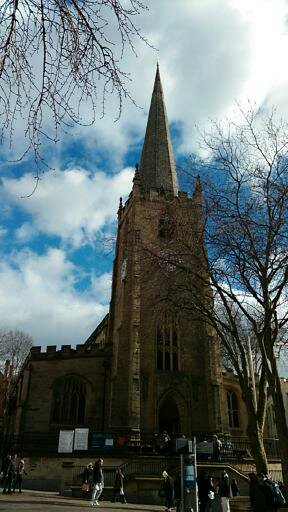
It was ten to eleven before the bus reached town. I avoided the crowded Friar Lane and headed down Hounds Gate. Five to eleven and I had arrived outside the church of St Peter just outside Marks and Spencers. The Sikh community have a stall offering free cartons and cans of drinks in memory of the fifth Guru who promoted freedom of religious belief even dying for his faith. I was thankful to pick up a drink as I was very thirsty another serendipitous event. I manage to grab a cup of tea inside and settle into a pew at the front for the coffee concert one of a series of free concerts held at St Peter’s church. Even though it is free, I am happy to give a donation as I don’t want to exploit them, because there is no up front charge, I can try new music and things I would not otherwise come to listen to.
Today the Newstead singers are presenting a series of pieces sung in Latin mostly acapella. However the last three works have an accompaniment on the organ Peter Siepmann plays the organ and manages the music at the church. He looks just as dapper as usual and plays beautifully. The Music travels forward in time from Byrd through to John Rutter. Byrd’s Ave Verum is particularly lovely the harmonies are so haunting. All the voices weave in and out of each other with different melodies yet create a harmonious whole. It is truly breathtaking. For the other pieces there are some old favourites. Frank’s Panis angelicus was familiar from school days. Faure’s cantique pour John Racine is one of my favourite pieces and the concluding piece John Rutter’s Gaelic blessing we have sung in choir so it was lovely to hear it being sung again.
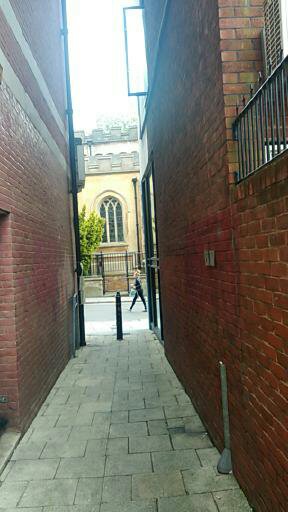
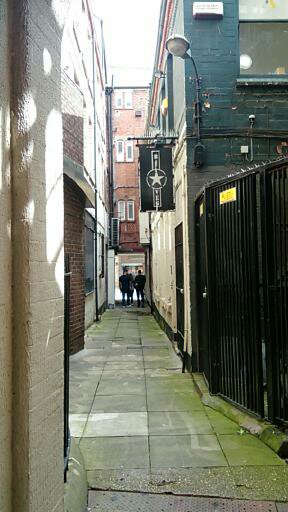
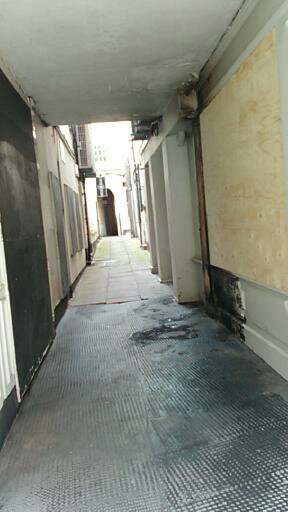
I had no idea of what I was going to do after the concert, but reflecting that there were a great many corners of this city that I had never explored I decided to see what new things I could find. I made my way down Peck Lane that runs from opposite St Peter to opposite the Exchange Walk.
Peck Lane
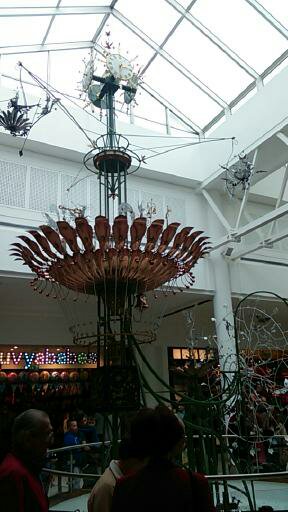
I went through the Exchange shopping centre looking in all the extremely expensive shops. Thankfully not tempted as the clothes looked cheap and nasty. It must be the style this year to wear sack-like dresses and brightly coloured sun dresses. Even the men’s suits appeared slightly creased and badly fitting.
The Flying Horse Opposite Exchange Walk on the hill
Next to The Works on Long Row a small alleyway led to an independent bookshop Five Leaves.
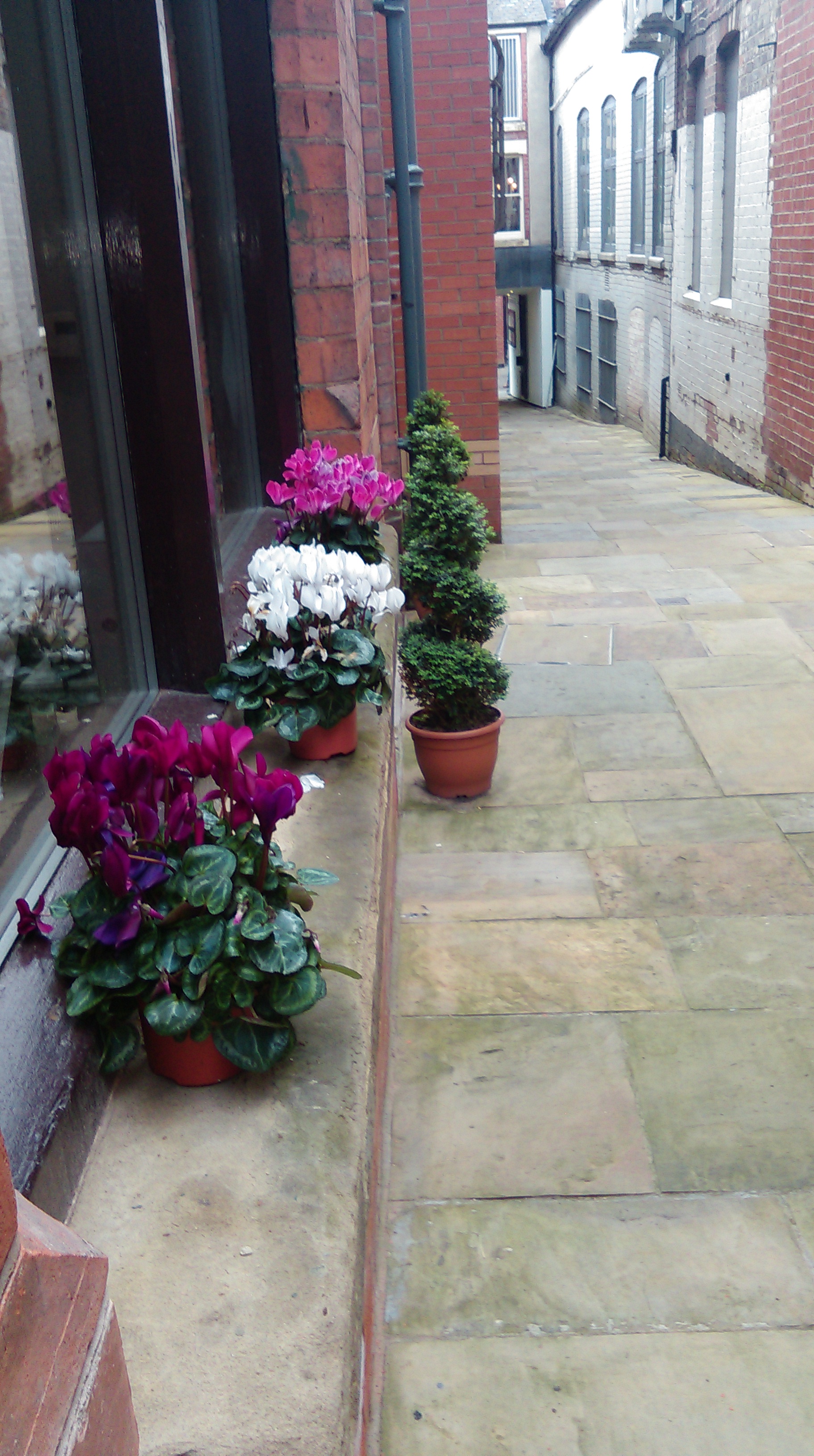
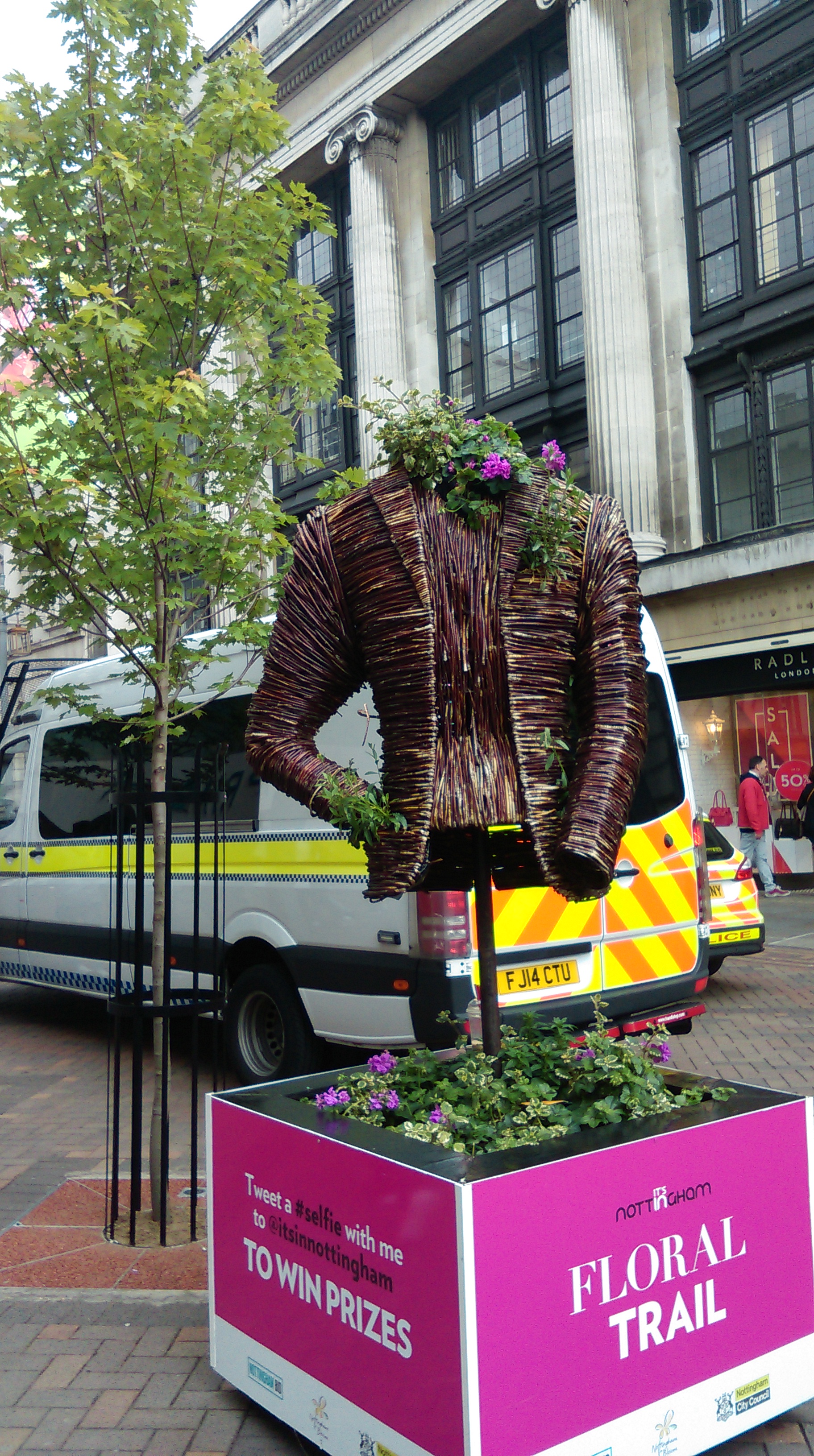
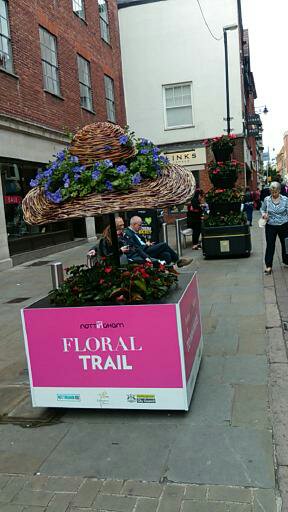
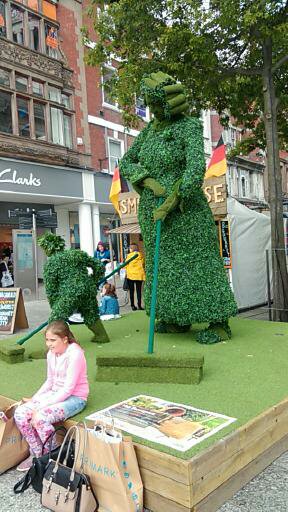
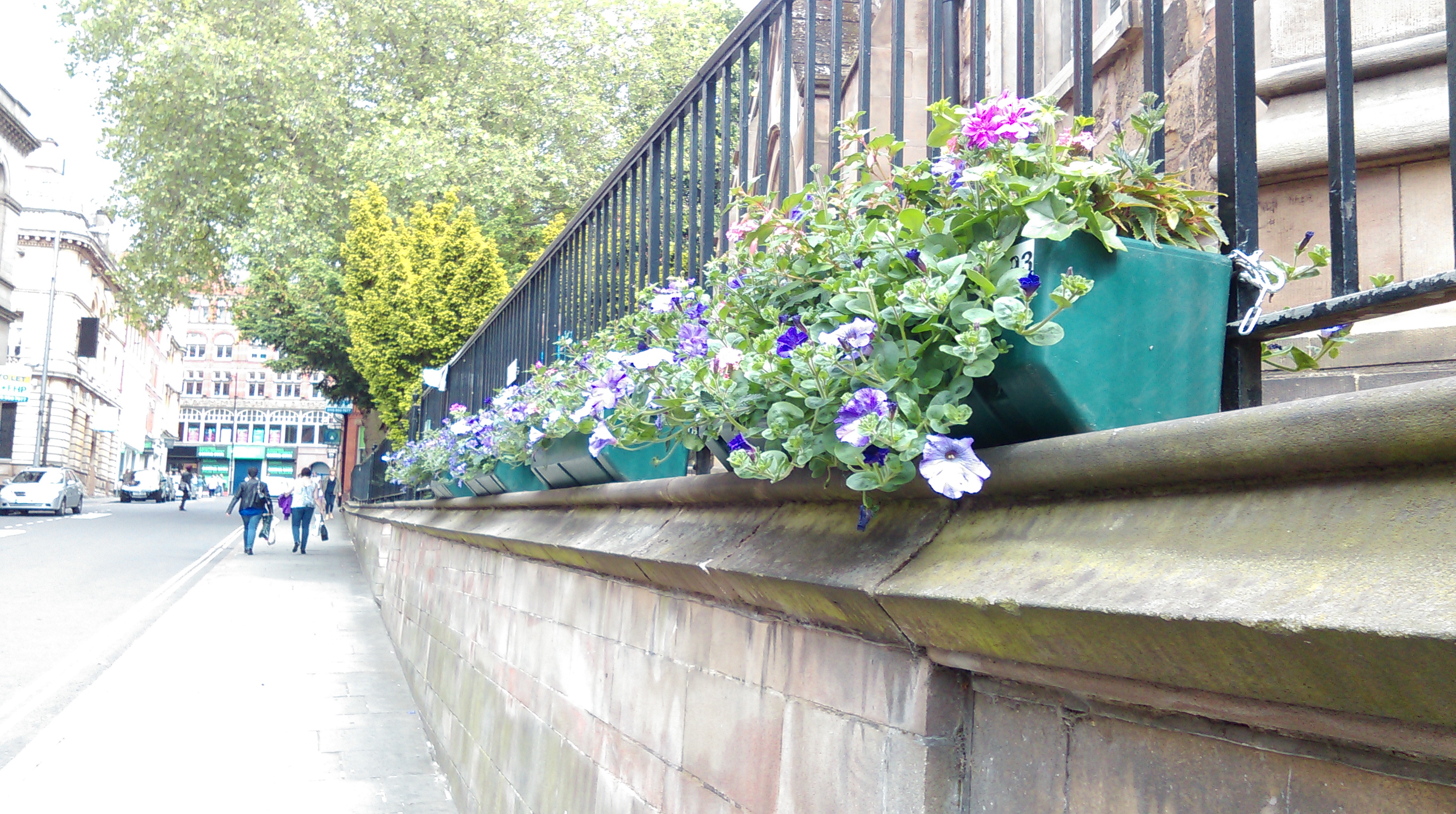
Nottingham has a series of flower displays described as a Floral trail
A smallish fiction section a largish political section and a decent philosophy section a gay, lesbian and transgender section but no trashy novels. This is a bookshop with intellectual pretensions. They had the small paperbacks that I have been collection so I bought 3. I found the novel One Night Markovitch by Ayelet Gundar-Goshen an Israeli writer.
The catalyst for the novel is an Israeli plan to send young men to Europe. There, they marry single Jewish women, thus rescuing scores from the rising tide of antisemitism and taking them back to Israel, where they promptly divorce.
The only problem is that Yaacov, a man with such a forgettable face that he is regularly sent out to smuggle weapons, is paired with Bella, the most beautiful woman he has ever seen. Yaacov senses that here is his moment, and unlike the other men, he refuses to divorce. His wife has other ideas, and they are forced to live together, torn up with unrequited love on the one hand, and brimming with loathing on the other.
According to the review, characters suffer and prosper in love, living, dying, hoping, despairing. Men and women smash together, scorching each other, sometimes fatally, with the intensity of their desires. This all seemed a bit emotional and extreme for me so I put it back on the shelf.
I decided to avoid John Lewis and made my way to a cafe inside Victoria Market. Many of the stalls have closed but some of the old faithful ones were still there. I love the bright colours and smells of the market and spent a happy hour wandering around (although the leather stall that sold bondage harnesses was a surprise).
I enjoyed my cheap cafe there were no pretentious couples just people talking about their intended visits to a music festival. A family with three generations sat beside me throwing the packets of sugar across the table. Nowhere else would I have heard the phrase
“There are six chairs here you dickhead grandad”
Over my egg salad I read Katherine Mansfield’s novella comprising Marriage a la mode and Miss Brill.
I started to write a ghost story that has been fermenting in my brain for a while. I was curious what other people were reading in the corner an elderly couple sat drinking tea he read the newspaper spread open on the table in front of him whilst she was reading The Paying guests by Susan Walters. A compelling narrative of two stories a love story and a crime novel with a particularly dark intersection. I won’t ruin it for you.
It is 1922, and London is tense. Ex-servicemen are disillusioned, the out-of-work and the hungry are demanding change. And in South London, in a genteel Camberwell villa, a large silent house now bereft of brothers, husband and even servants, life is about to be transformed, as impoverished widow Mrs Wray and her spinster daughter, Frances, are obliged to take in lodgers. For with the arrival of Lilian and Leonard Barber, a modern young couple of the ‘clerk class’, the routines of the house will be shaken up in unexpected ways. And as passions mount and frustration gathers, no one can foresee just how far-reaching, and how devastating, the disturbances will be.
The new E L James book Grey basically 50 shades of Grey told from Christian’s perspective was in evidence. However since I felt that the original was not only badly written I was unhappy with the themes of domination and submission. The sex night have been wonderful but I didn’t find much love or tenderness within the pages. Perhaps I am just a chocolates, roses and flowers person. More probably a scrabble, good book and cup of tea person.
Of course the biggest novel this year will be the new or rather the old Harper Lee sequel to To Kill a Mockingbird. Called Go Set a Watchman it follows the story of scout and atticus Finch when Scout has grown up. As it hasn’t come out yet I will just have to wait.
One of the surprising reads has been Anthony Doerr’s novel All the light we cannot see about a blind french girl Marie who flees with her father from Paris to escape the German occupation staying on the Brittany coast with an agoraphobic uncle. An orphan boy in Germany Werner spends his time in building and mending radios this makes him very useful in searching out resistance radio operators and as you can imagine their worlds collide. It is a novel about kindness and goodness knows there are few enough of those.
The one novel I want to get is a debut novel by Laura Barnett called The Versions of Us. It is about the liminal place where one path is taken and the consequences that ensue are completely different from if another path had been taken.
Here is the Waterstones Synopsis
“What if you had said yes …? Eva and Jim are nineteen, and students at Cambridge, when their paths first cross in 1958. Jim is walking along a lane when a woman approaching him on a bicycle swerves to avoid a dog. What happens next will determine the rest of their lives. We follow three different versions of their future – together, and apart – as their love story takes on different incarnations and twists and turns to the conclusion in the present day. The Versions of Us is an outstanding debut novel about the choices we make and the different paths that our lives might follow. What if one small decision could change the rest of your life?”
It is again a positive book. I took from it that whilst it is enticing to think that we all have a soulmate. In these different versions of lives where people spiral out of their allotted grooves, they still attain happiness within their different versions, differently happy. You may find your great love at twenty and it all goes wrong, or you may take until you are fifty.
This chimes with something I have been thinking of for a while. How we can cause another person harm without even being aware of it. We go out one day feeling under the weather. We have battled on to go to work and we feel a certain self righteousness. However we infect someone and they become unwell. A trivial occurrence you could say, but suppose the illness is German Measles and the person you infect is pregnant. Now the consequences could be far reaching and yet you would be unaware of the damage you had unwittingly caused.
Are sins of commission more serious than sins of omission. If you neglect to do something is that less wrong than actually doing something wrong. In the anglican service there is a part, the confession where the congregation states that
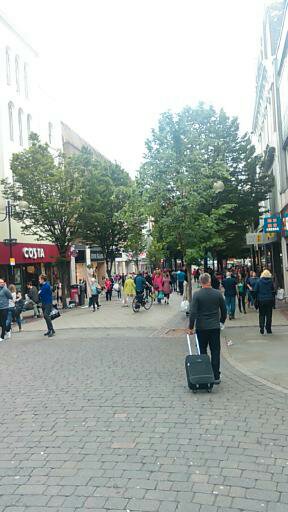
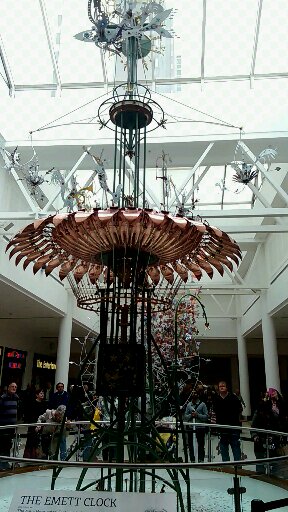
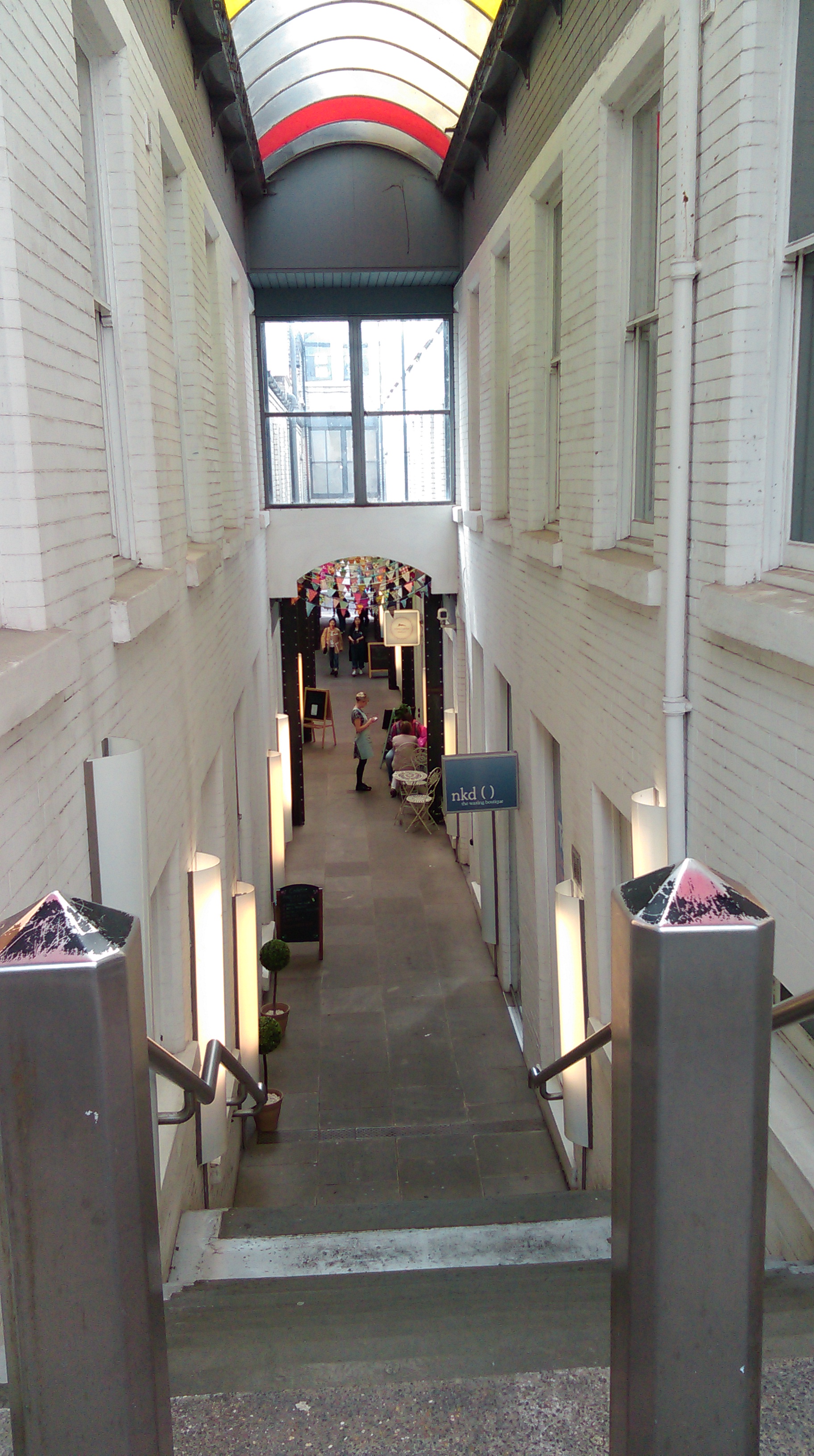
“we have left undone those things that we should have done”. Although these days the language is less antiquated. Anyway I decide to explore the alleyways of the centre of the city. I enclose photographs of the various shopping arcades I visited and places I roamed. I ended up as always in the gravitational pull of Waterstones. The only force strong enough to release me from the gravitational field of Waterstones is a Blackwells or a Foyles.
I naturally bought another book and once I arrived home I read Elizabeth Gaskell’s The Old Nurse’s Story. I started to translate a German Children’s book “Wo ist die Brille”
Tomorrow is Father’s day I plan to make your father a lovely meal and bake some shortbread that I will top with fresh strawberries and cream. I will do my best to make sure he has a lovely day.
We had a quiet day on Sunday I was on a sewing day and we were both tired after work.
We therefore waited until Monday and decided to go looking for pied flycatcher, redstarts and garden warblers.
We found the weather had become rather cooler and cloudy but it was dry and a bank holiday and remember that in the UK that in itself is a minor miracle.
We arrived and as we found we were a couple of weeks later this year, the trees were nearly all in full leaf.
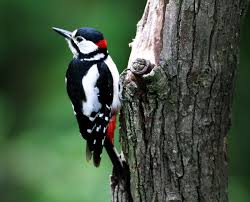
A pair of great spotted woodpeckers foraged across the top field we suspected they had a nest nearby.
Ciffchaffs and willow warblers were everywhere. Song thrushes and blackbirds were singing very vociferously. Robins, wrens and dunnocks were also defending territory.
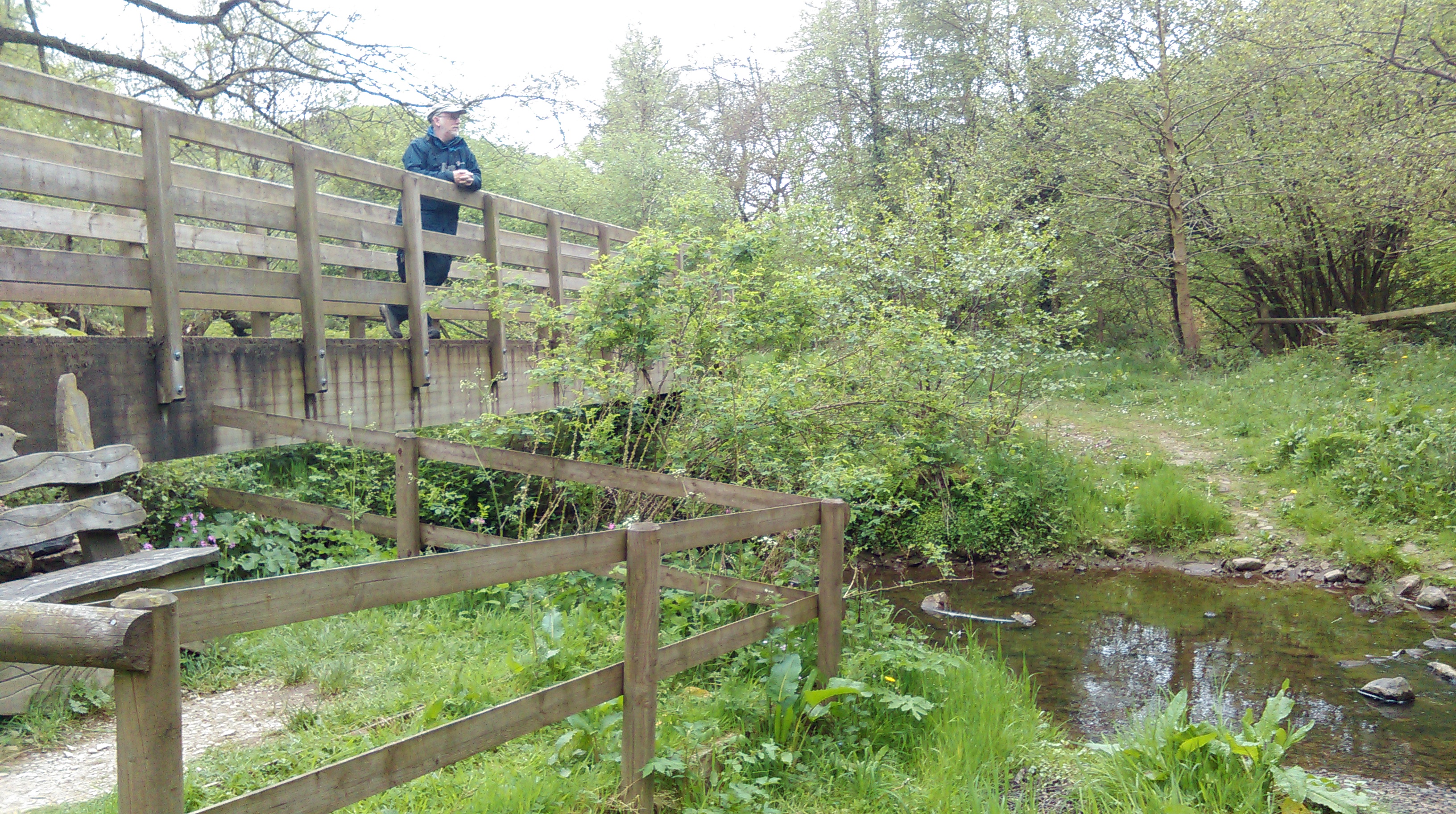
We found out first pied flycatcher by the bridge where we used to play Pooh sticks. There was a basket of sticks and a notice giving instructions for playing Pooh sticks by the bridge.
Further down the stream I like to imagine the laziest beavers in Britain just poking their noses out of their lodge and collecting the sticks that flow down stream towards them. Who needs to forage for sticks when you have children providing a constant supply of them. A sort of chavs of the beaver world.
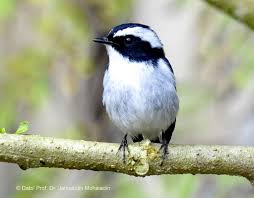
The only pied flycatchers that we saw were males. I am assuming that the females were on eggs as we saw at least one male visiting the nest box regularly. One male was singing from the top of a tree in full view for several minutes.
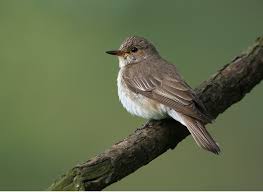
In the same location we saw a spotted flycatcher flitting into a small tree. We suspected it had a nest close by.
We walked the shorter circuit and whilst we couldn’t find redstarts we did have a goshawk flying over an unexpected bonus.
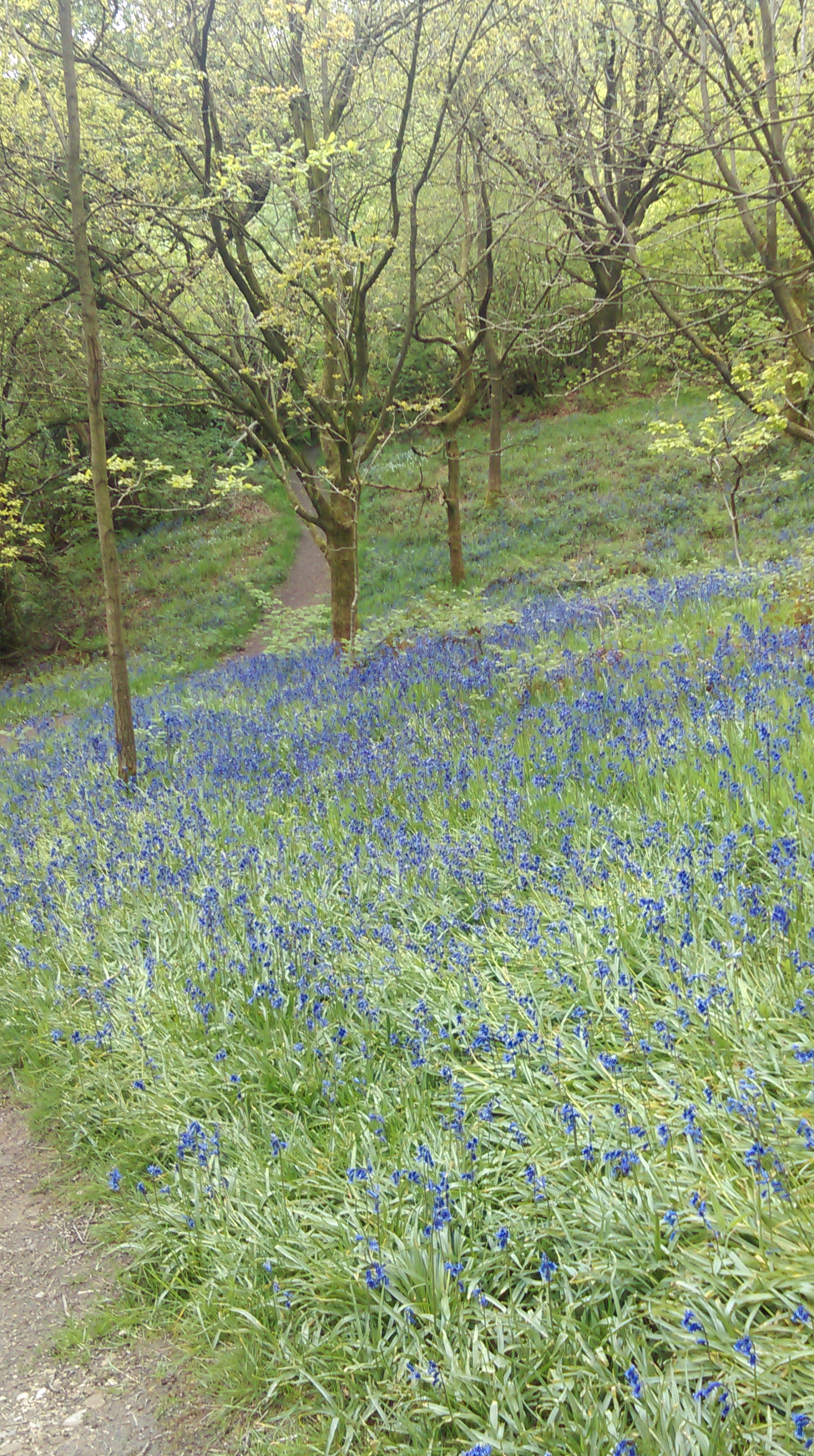
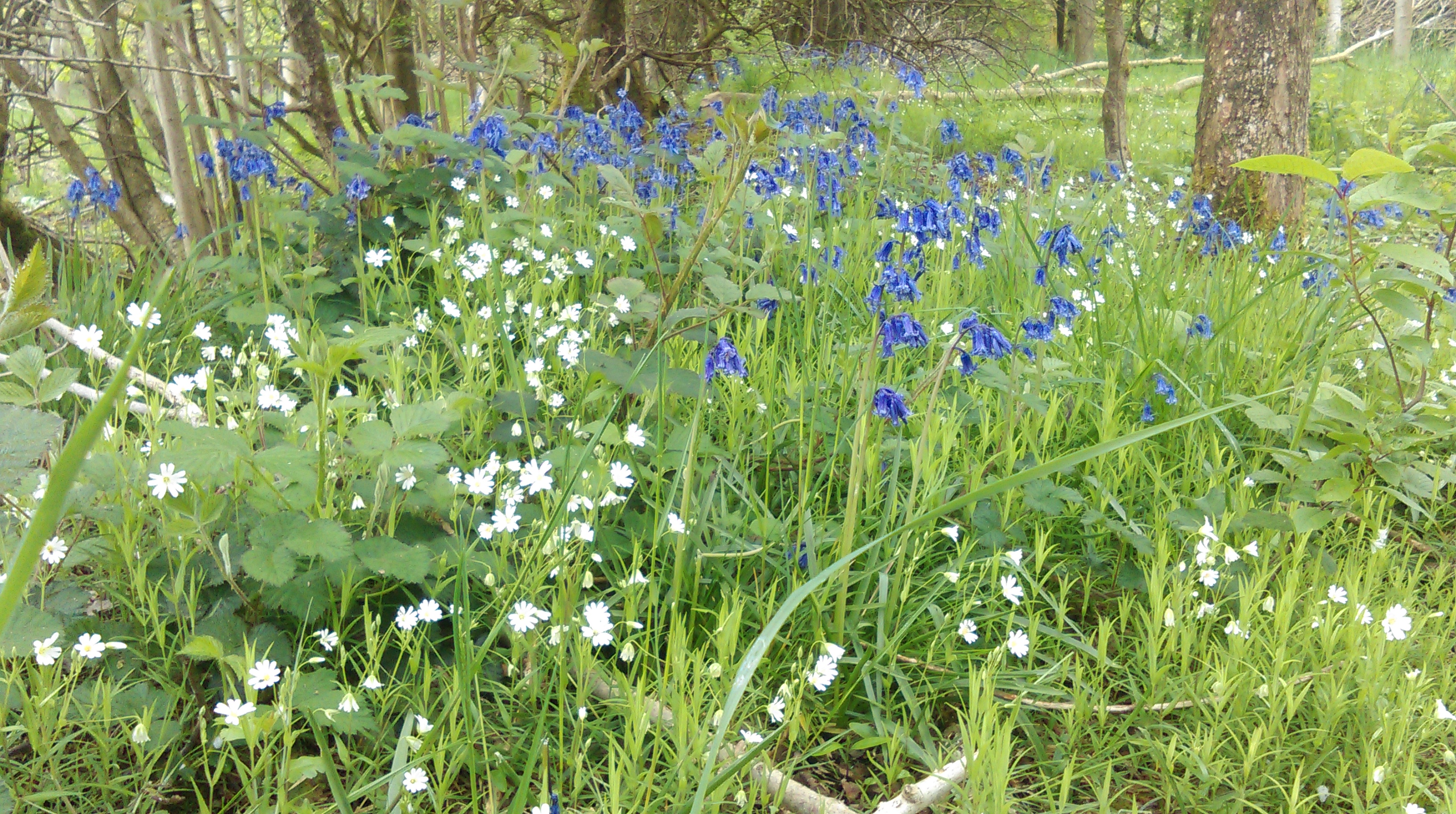
The bluebell woods were lovely with real English bluebells. They droop and the flowers are only present on one side of the stem.
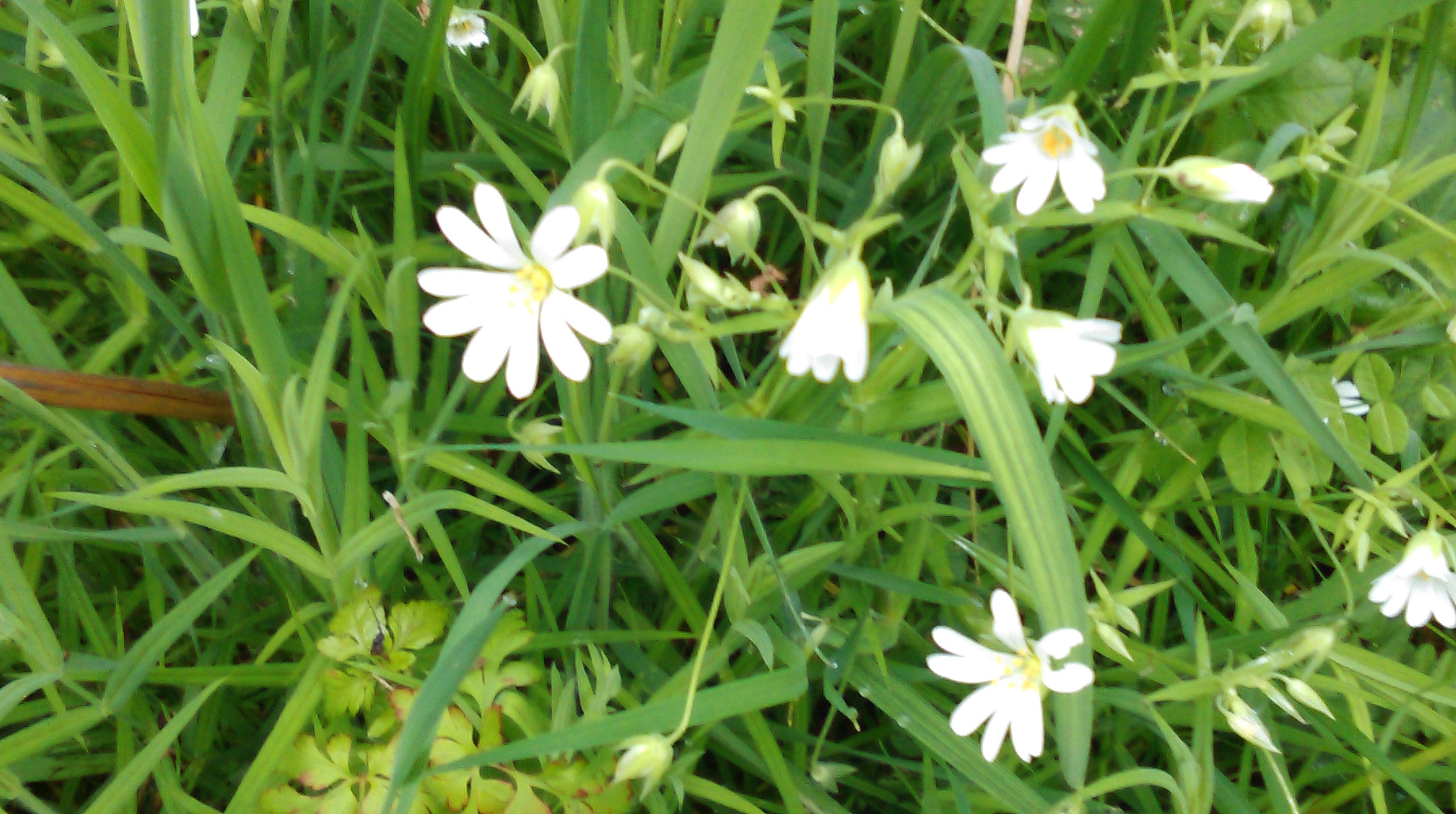
Greater stitchwort was abundant.
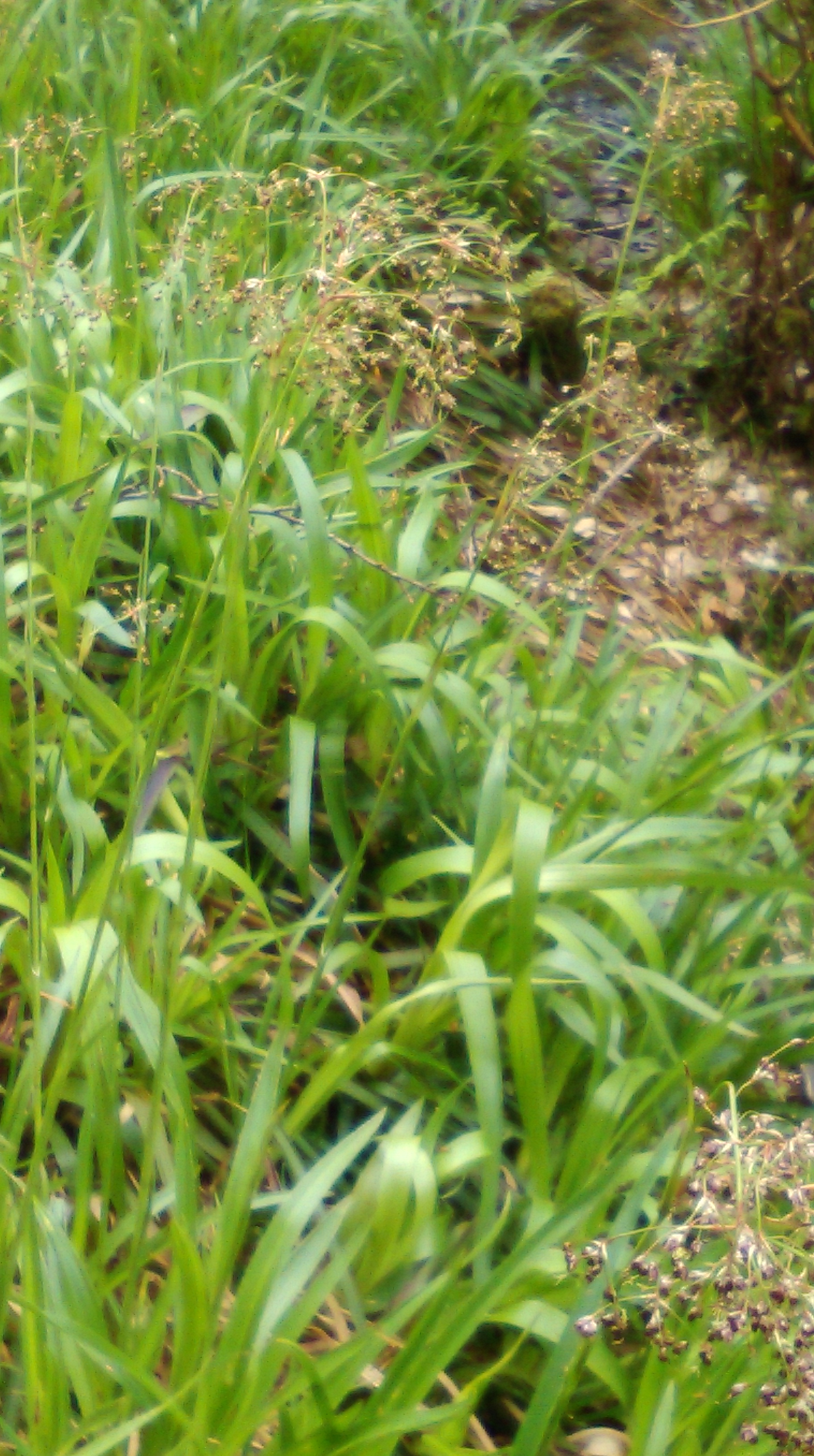
We also found wood millet, so that was three indicators of ancient woodland indicators.
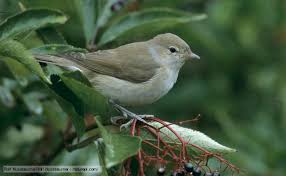
We also found several garden warblers singing lustily. By the pond we found a pair of grey wagtails together .
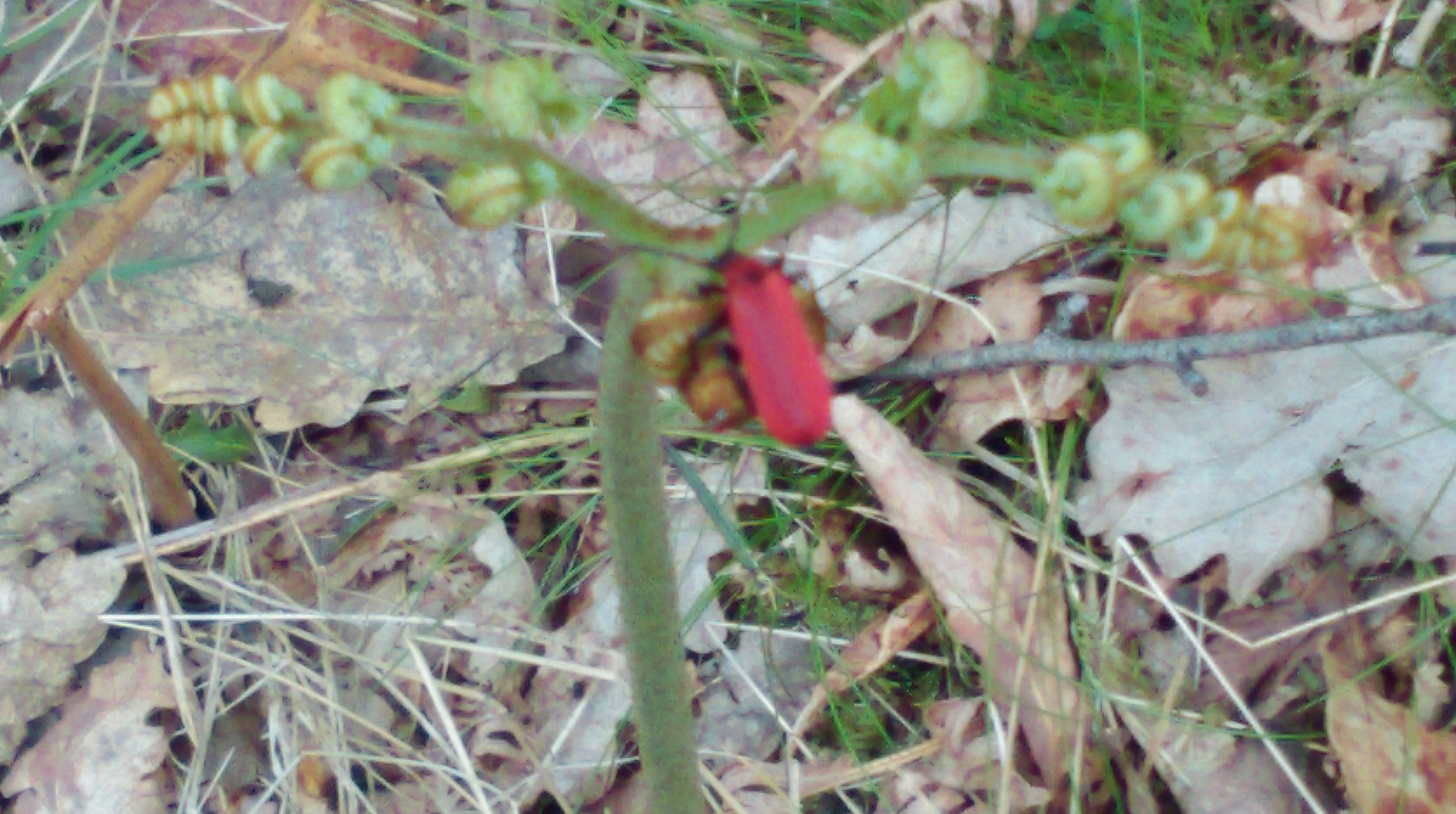
We found cardinal beetles
We also found dock beetles
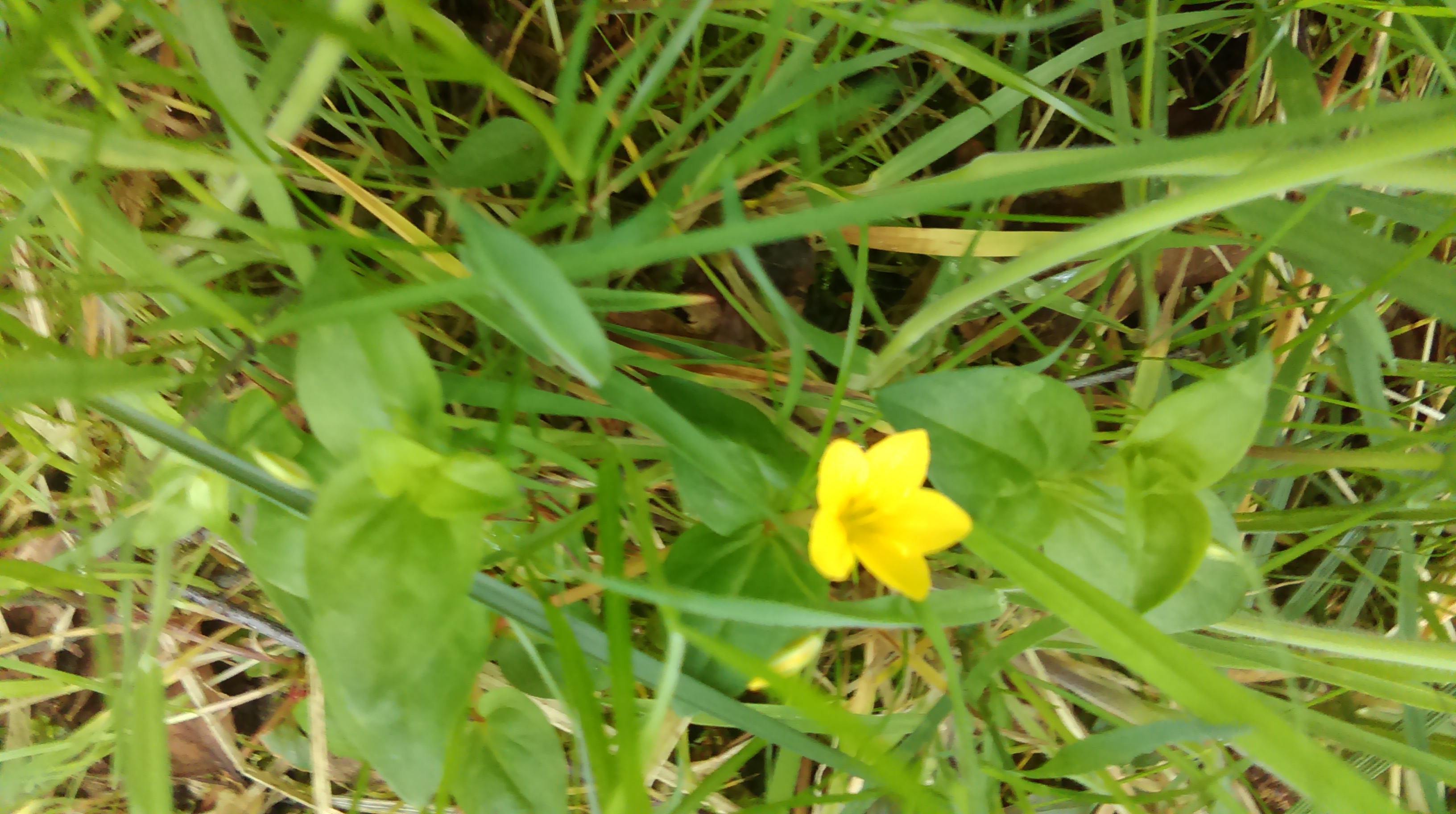
And we found a species of red and black planthopper. We found yellow pimpernel
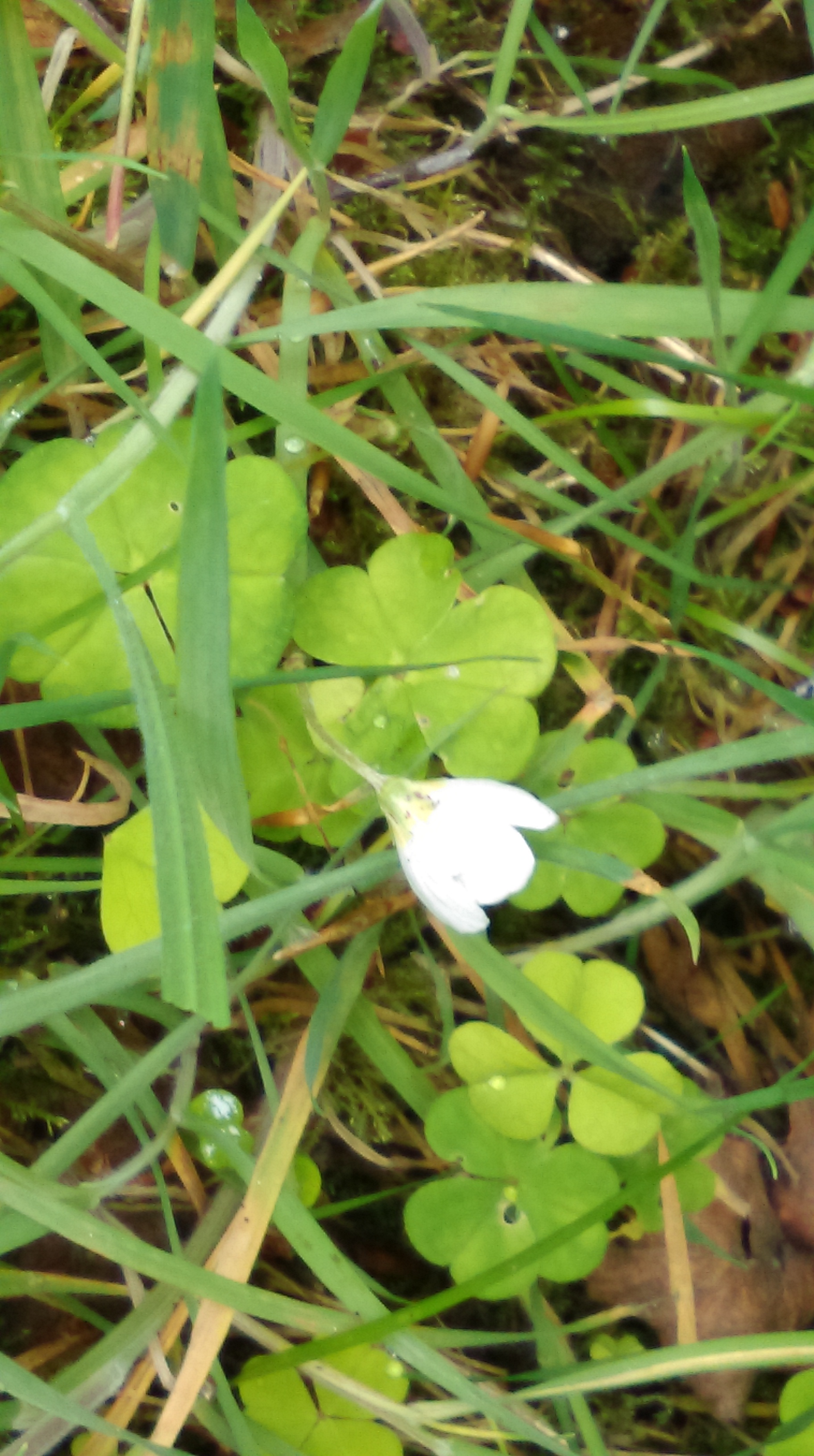
and wood sorrel
Buoyed with our success we drove across the moors and visited Cromford, arriving at approximately 4pm.
We walked to the bridge just to find scaffolding covering the structure. We thought that the structural work could have compelled the dippers to nest elsewhere and they were not in evidence.
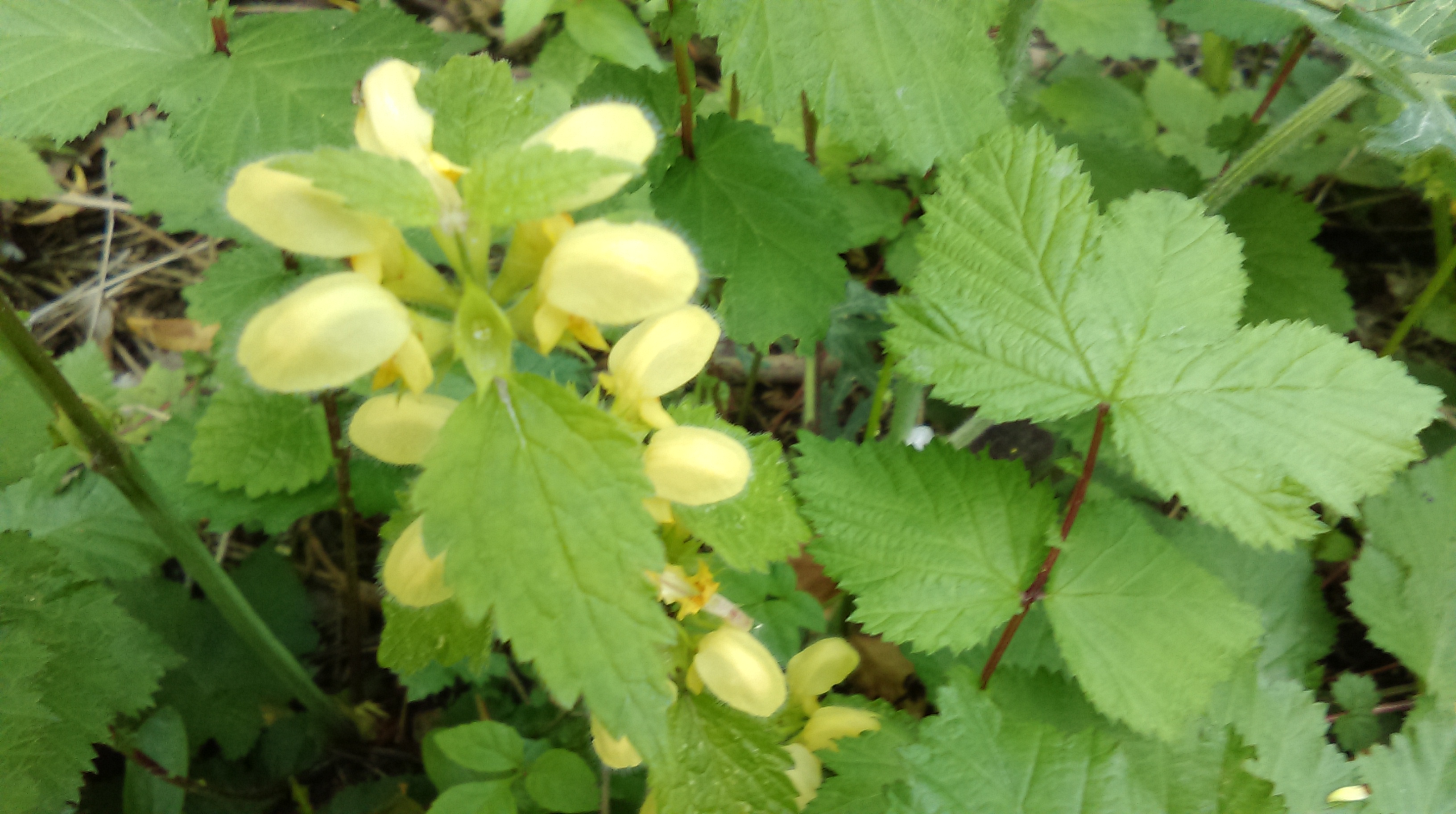
We saw yellow archangel
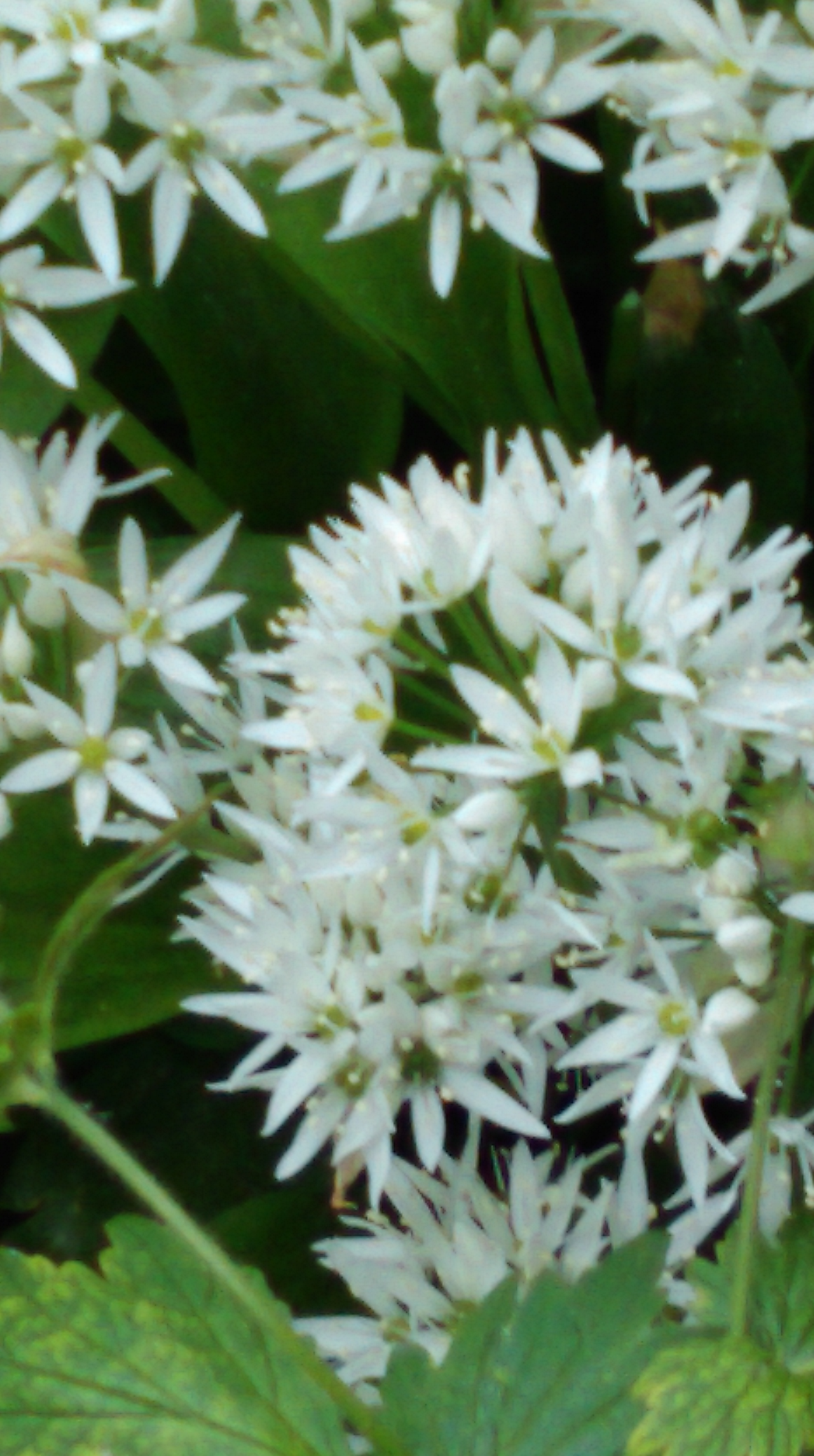
The woods were full of wild garlic which was magnificent if a little smelly.
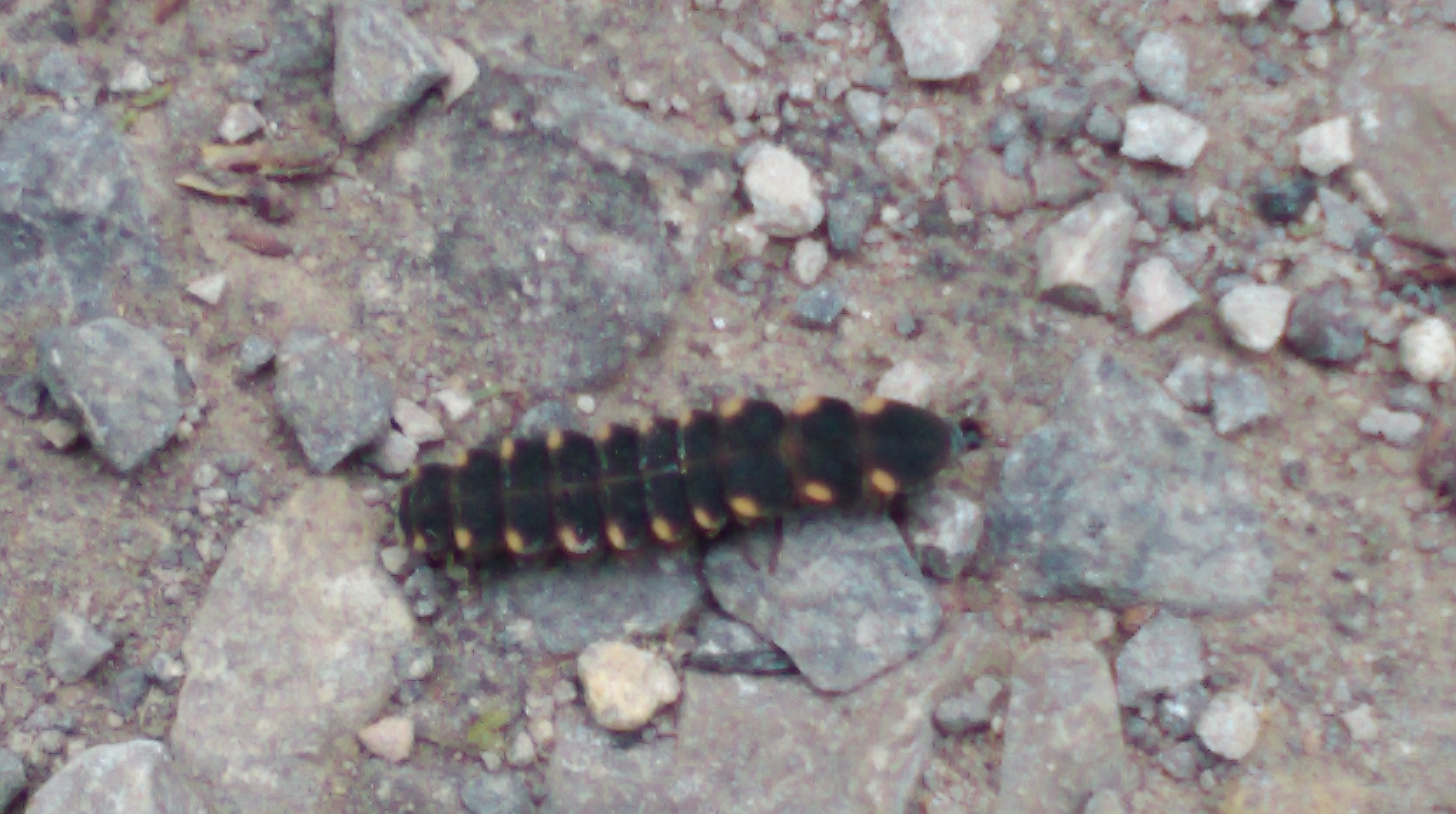
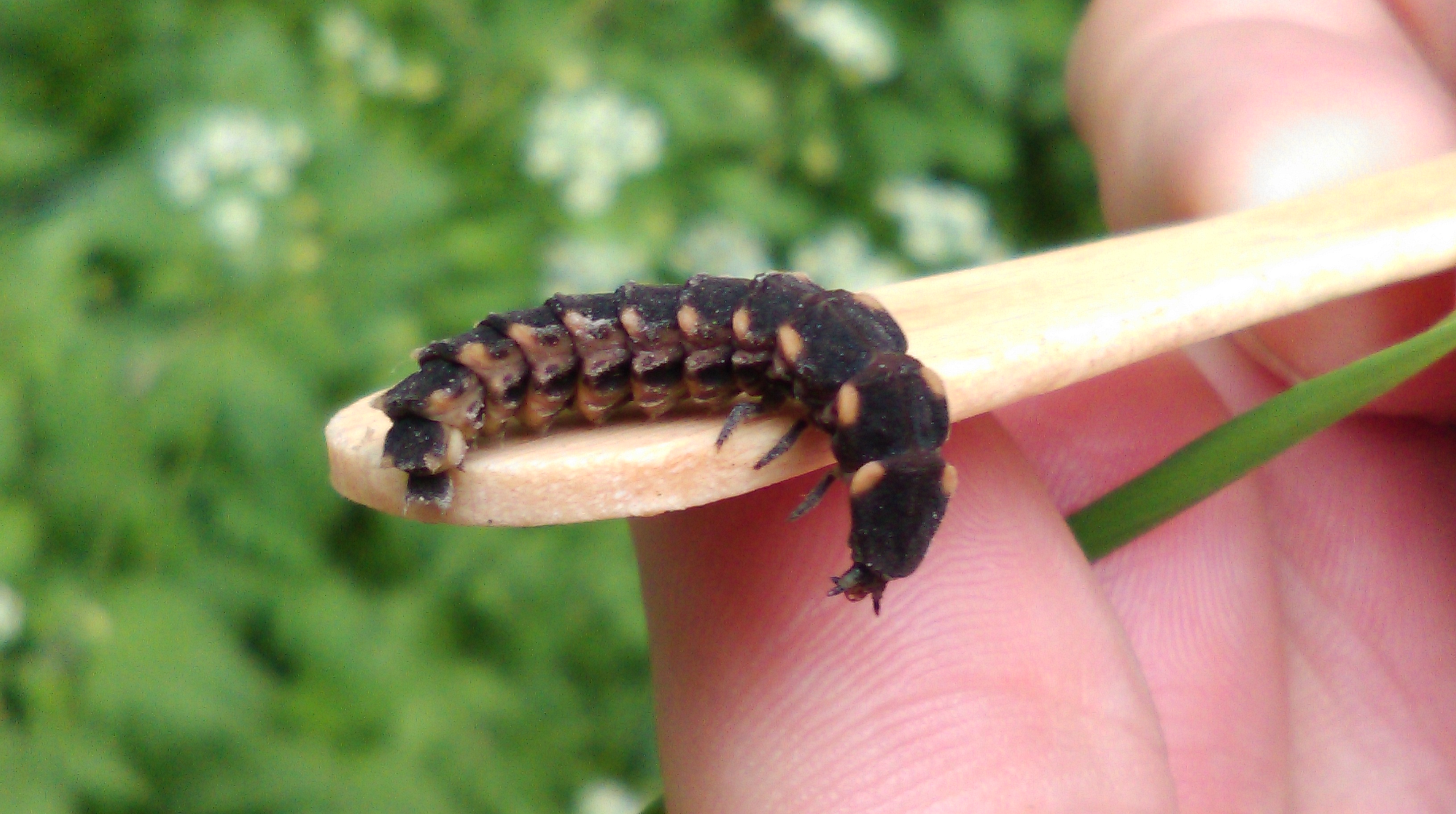
We found a glow worm larva crossing the path.
I am off the London on Tuesday to have a few days away. I will be in touch and let you know what I see and how I get on.
Just to let you know about out latest trips to go birdwatching.
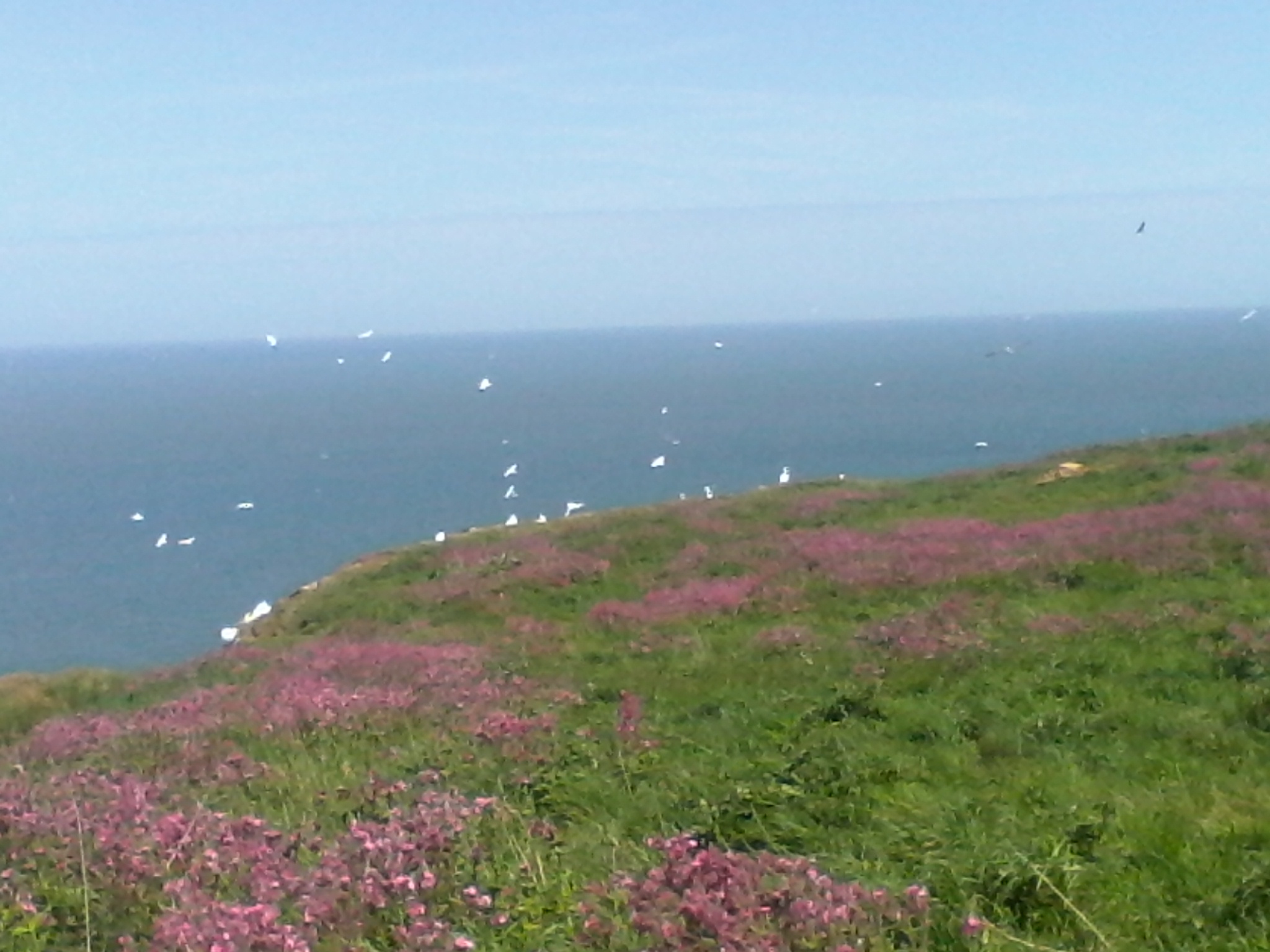
We started the bank holiday with a trip to Bempton Cliffs. The weather was sunny but a stiff onshore breeze ensured that we were not overly warm.
We arrived late morning and walked across the cliffs.
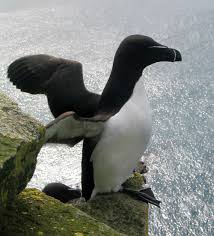
Guillimots and razorbills were nesting but as yet no chicks were visible.
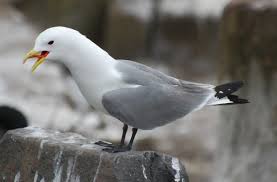
The kittiwakes were also nesting and flocks of birds would settle on the grass at the top of the cliff to pull out beakfuls of grass ready to line their nests.
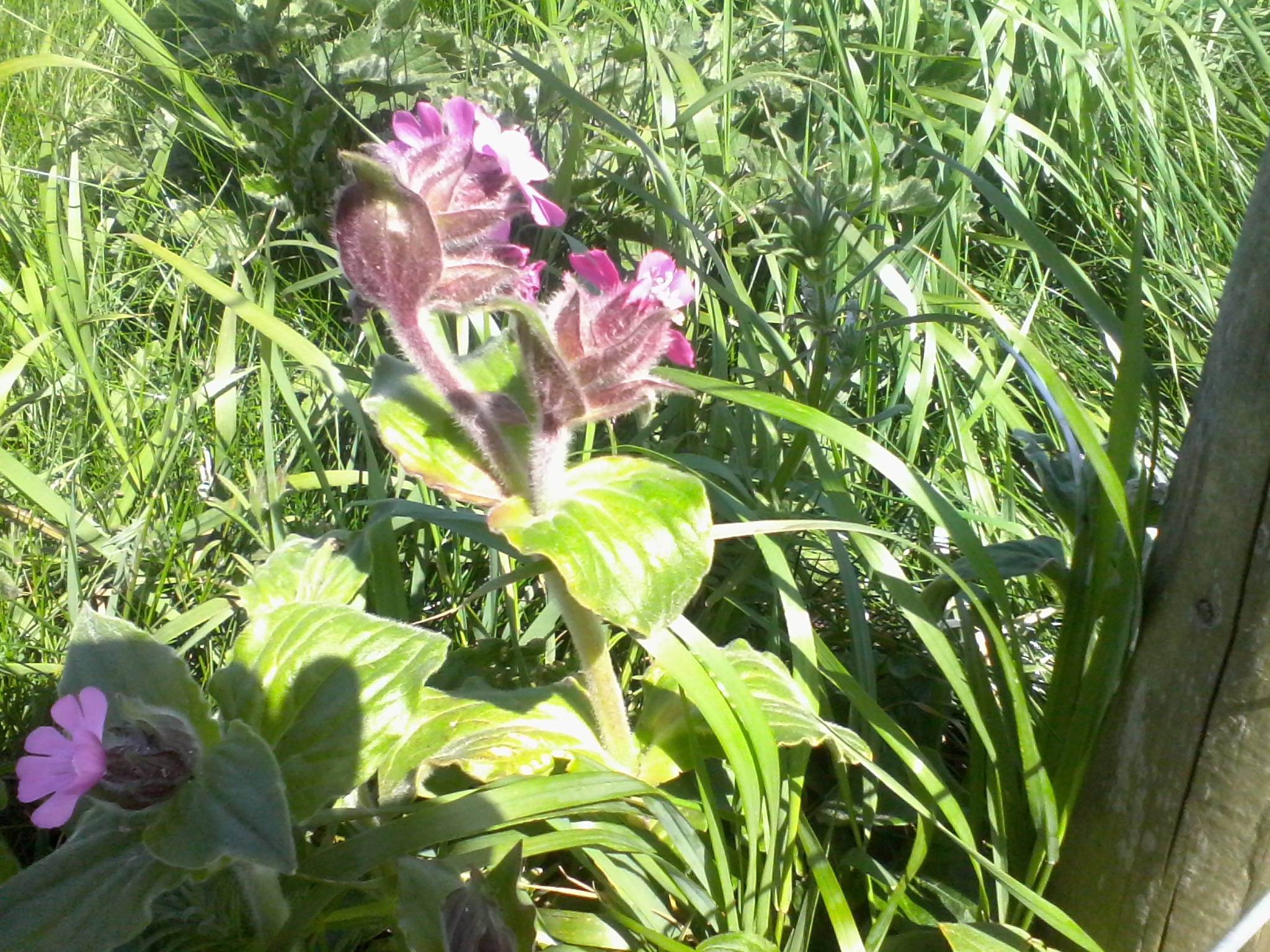
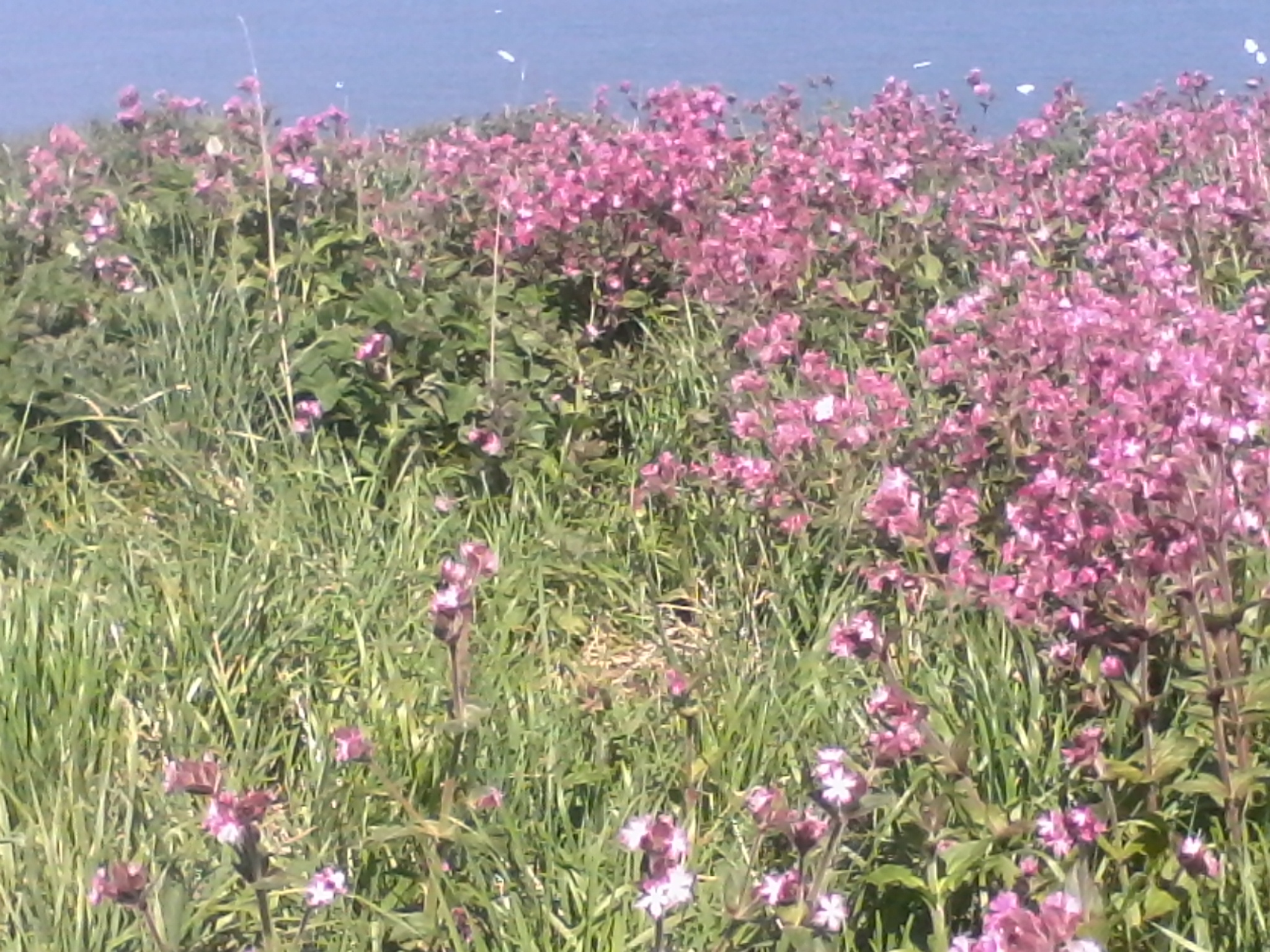
The cliffs were covered in pink campion.
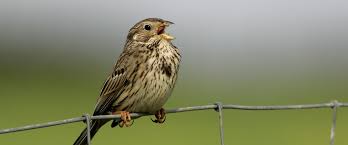
We found four corn buntings as we walked along the cliff edge. Definitely evidence that this species is doing well at this site.
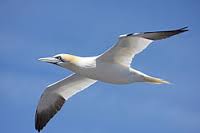
We returned to the car for lunch and then went for a walk in the other direction. The gannets were pair bonding, their behaviour was very touching although I realise I am anthropomorphising .
There were more puffins that previous years so hopefully these will be more plentiful than in previous years.
Unfortunately my mobile needed charging so I had to use my tablet to take photos.
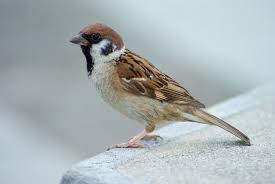
They have a thriving number of tree sparrows and the new visitors centre is really lovely.
Anyway I added kittiwake, razorbill, guillemot, gannet and puffin to my list for this year.
We had to take the long way home as the M1 was closed southbound for road works.
This weekend we went on an organised trip to the Imperial War Museum and Bletchley Park. The pleasure of these outings is augmented by the company and opportunities for eavesdropping on fellow travellers. Honestly the couple of ladies near us talked incessantly for over two hours. You think I talk a lot but compared to these two I am a complete novice.
These are the naval guns that are outside the museum
After number of hours stuck in traffic we reached the museum. I was pleasantly surprised by how much I enjoyed it.
The top floor was devoted to displays of soldiers and civilians who had won either the Victoria cross of the George Medal Every individual had descriptions of what activity they had accomplished to be awarded the medal facsimiles of newspaper articles and details of what had happened to them afterwards. I learned a great deal and found out a great deal about people who had won various medals. We spent quite some time browsing the exhibits.
The next floor down was devoted to a massive exhibition on the holocaust. It was traumatic to go through that but I thought if people had lived through it I should at least be prepared to examine the exhibition. Although I could only stand the holocaust part for a limited time before I had to leave.
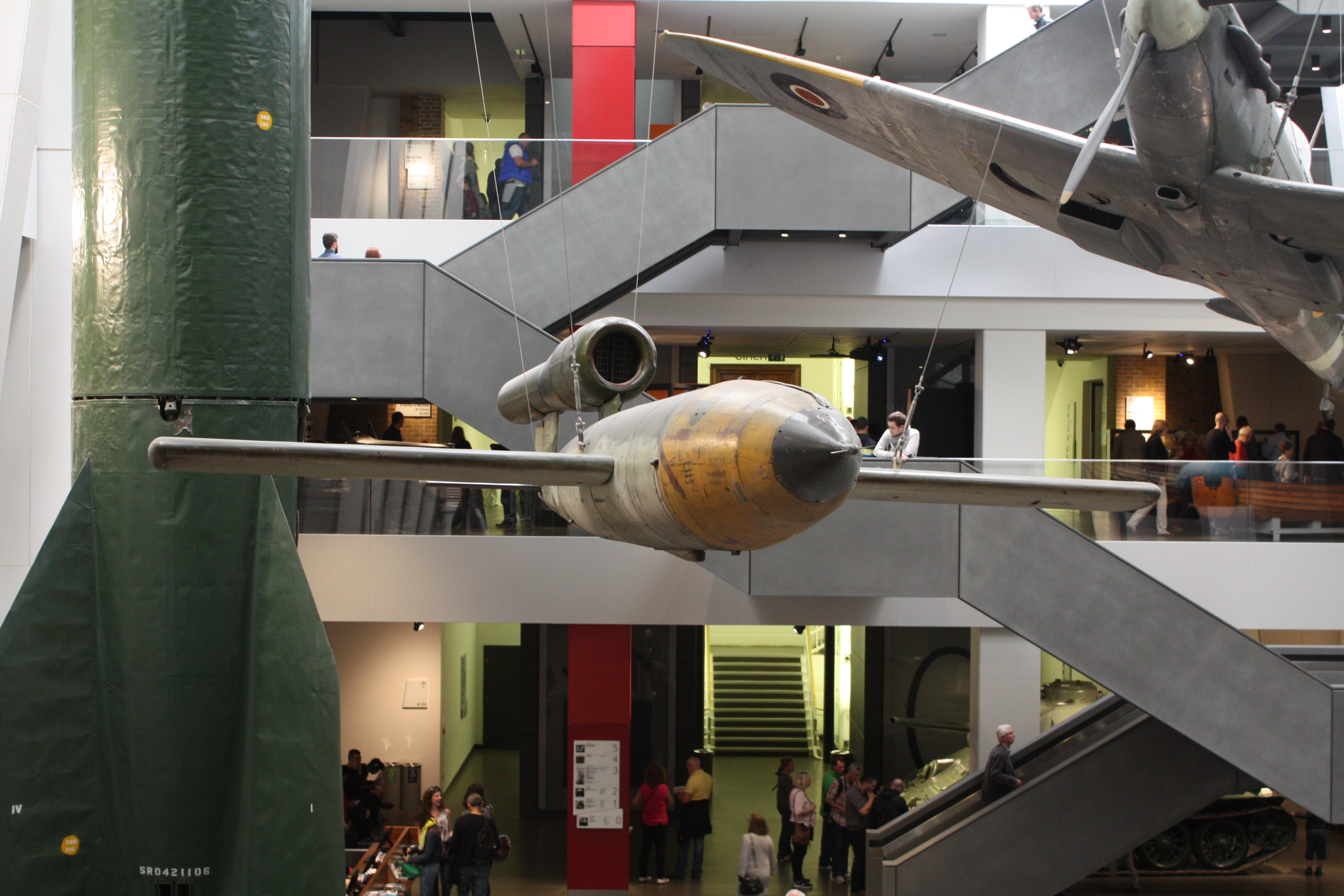
This is a V1 flying bomb
Lower floors had exhibitions on recent wars as well as the second and first world wars.
This is a Japanese Zero
One of the most moving exhibits was a series of sheets of stamps each sheet was an image of one soldier killed in the Iraq and Afghanistan wars. At the edge of the sheet there were details of how old they were and some were only teenagers which was quite upsetting.
Obviously this is a spitfire
There were some excellent displays, I learnt a great deal and your father was in his element. especially when he spied the military hardware from the second world war.
This is a Russian T34 Tank
We stayed in the museum until just before we needed to reassemble missing a lovely sunny day outside. We stayed at a generic hotel but it was comfortable. In the morning the breakfasts were late which engendered an avalanche of moaning and when the cooked breakfasts finally arrived there were no eggs. This produced more moaning. If there is something we are good at in Britain it is complaining.
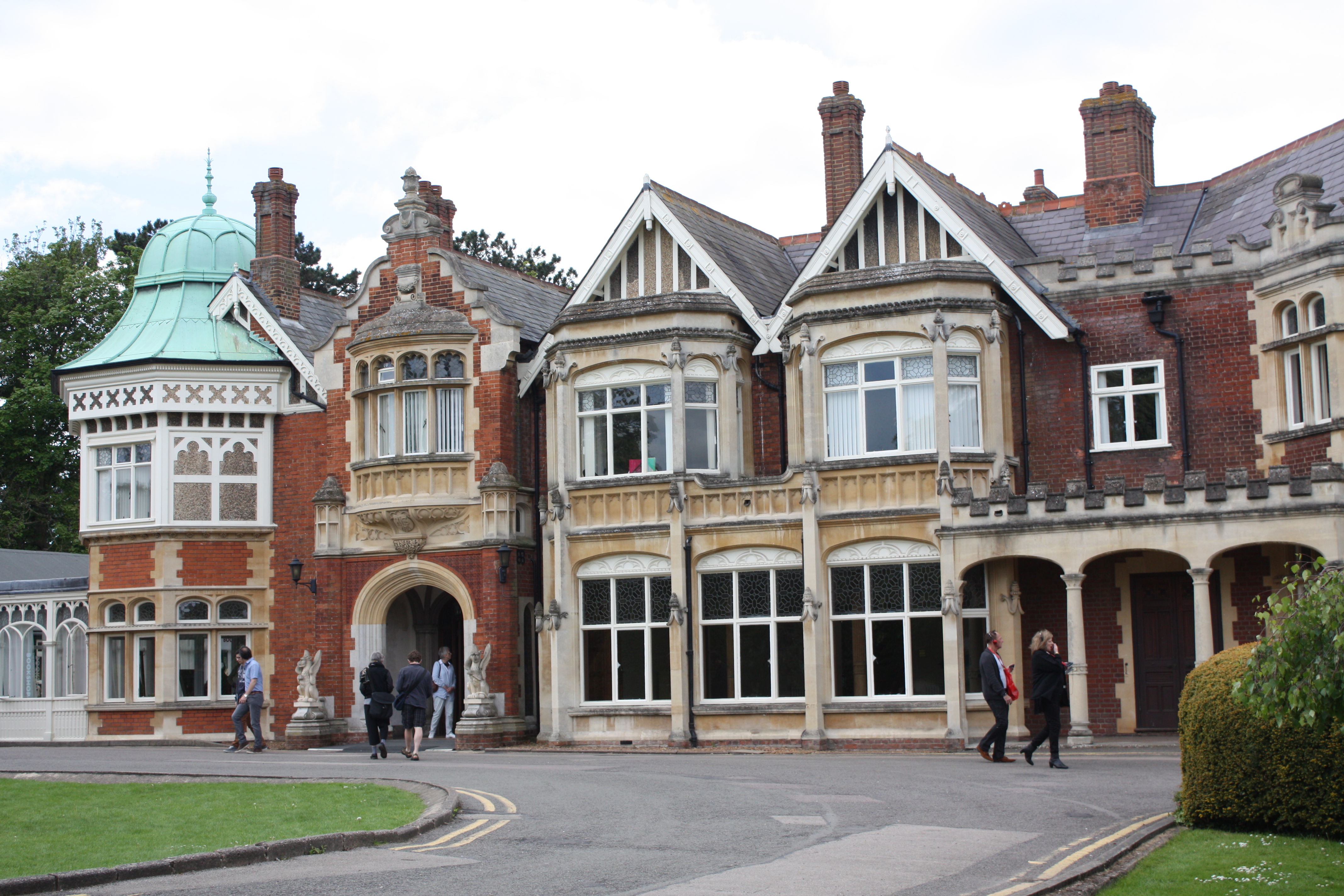
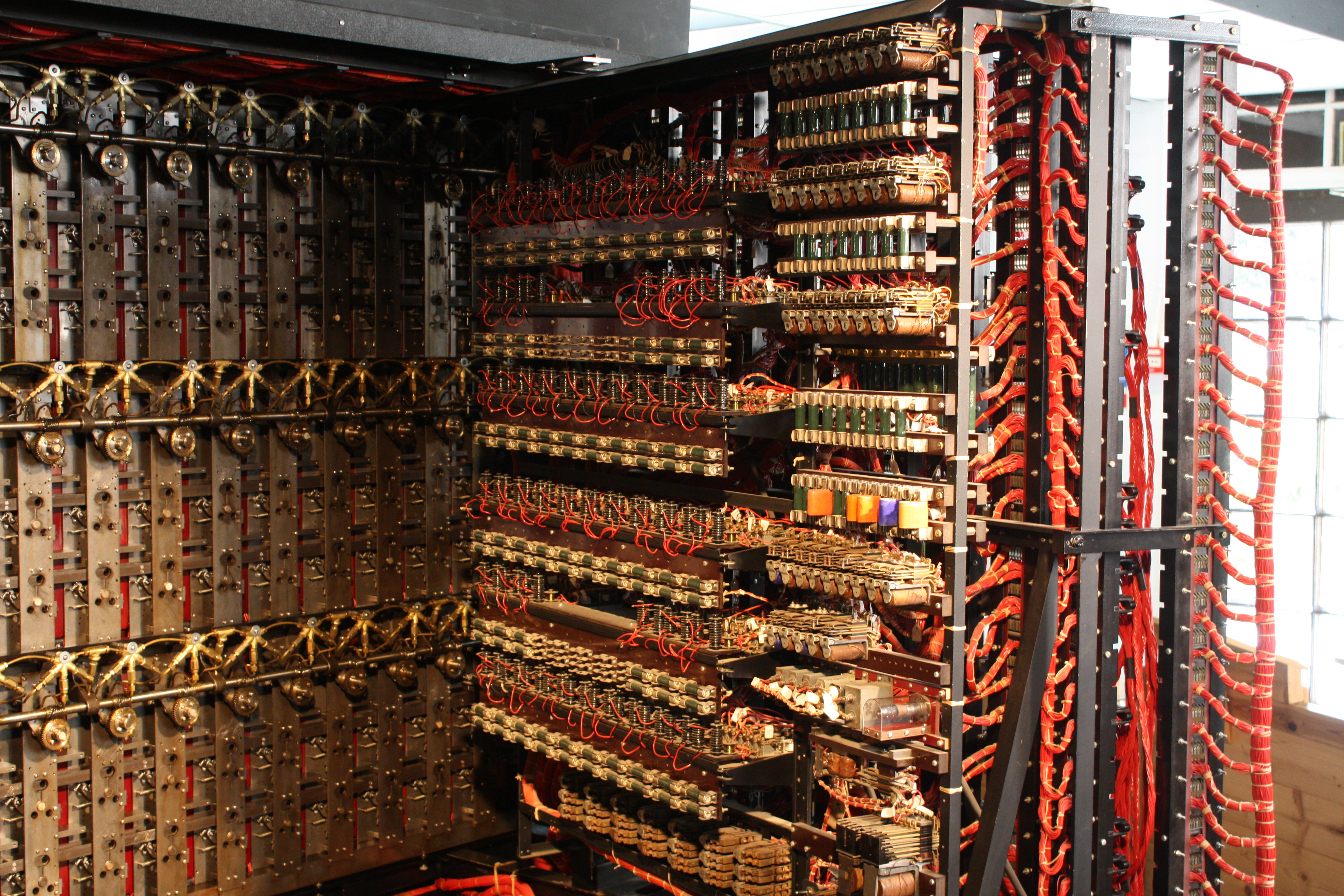
We got to Bletchley Park mid morning and spent five hours there. The place is full of interactive touchscreen displays and problems to solve.
Here is a picture of an enigma machine
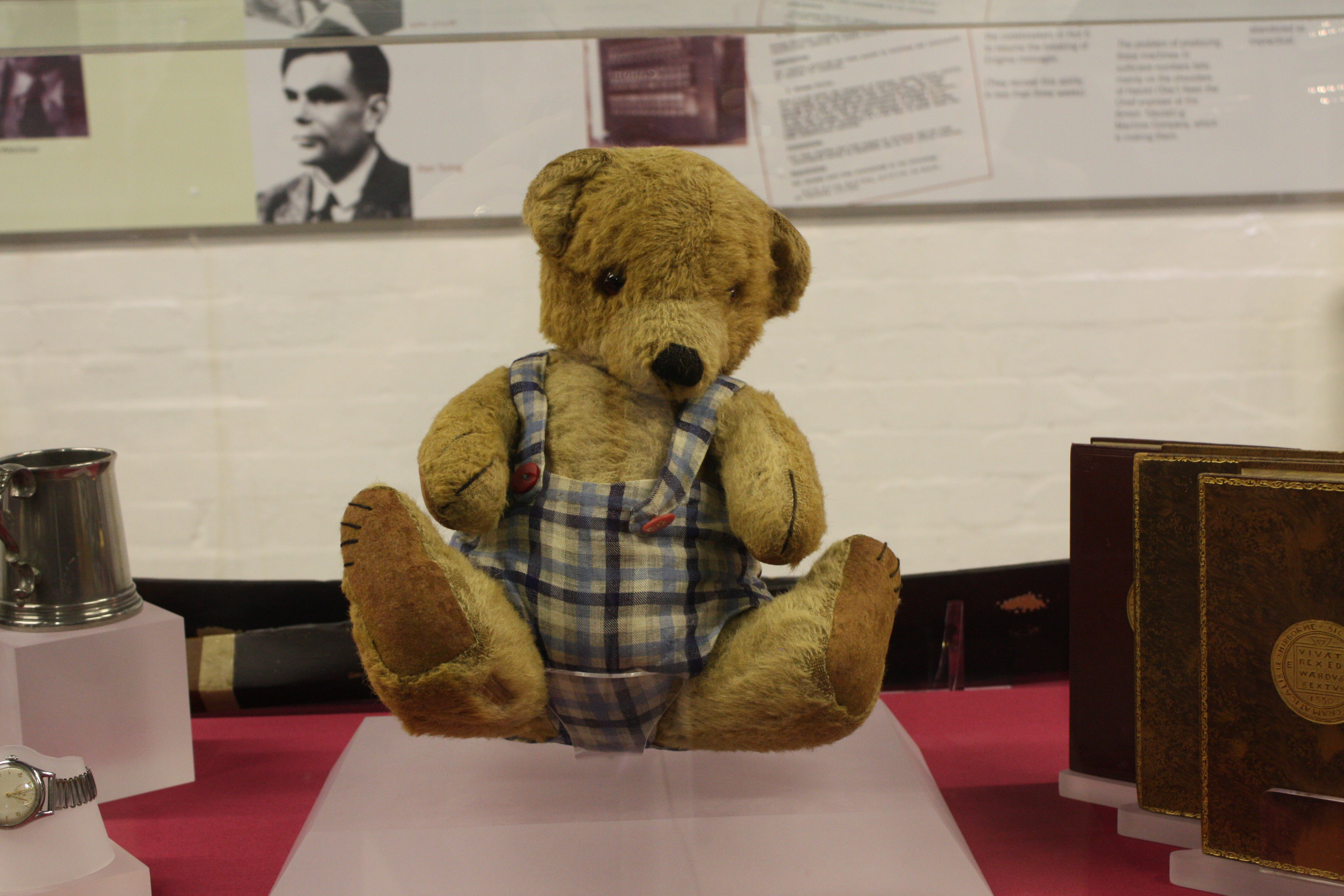
I was like a pig in clover as underneath I am just a big kid so I went from exhibition to exhibition solving ciphers and loving every moment. We took a photo of Turing’s teddy. Well who wouldn’t?
I had a photo taken with the Alan Turing statue it was an unusual moment for both of us. Probably the closest he has got to a woman in years.
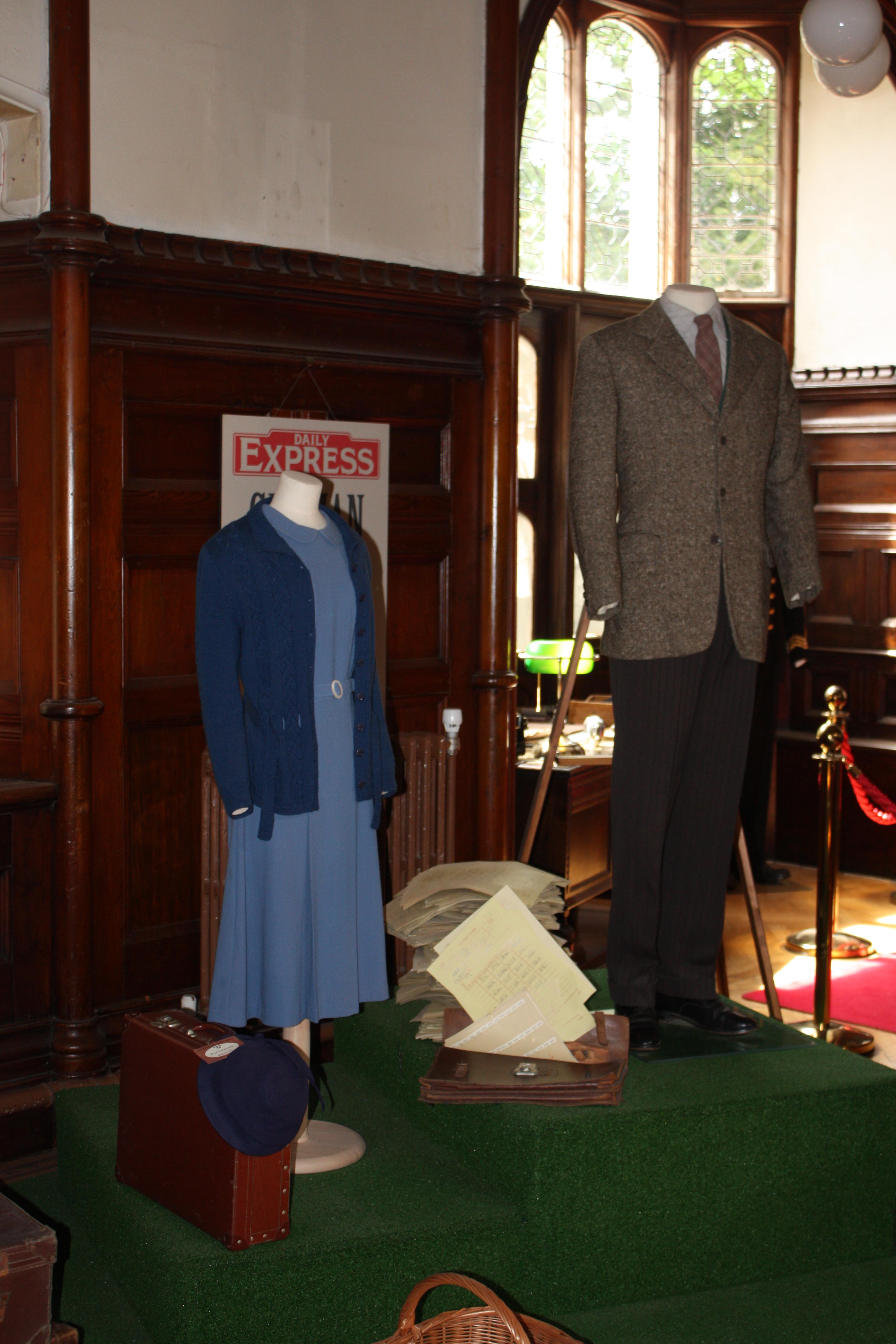
Many of the buildings were as they were at the time. There were displays of costumes and sets from The Imitation Game and stage props such as bicycles.
Anyway the weather was lovely and stayed dry we had a good time and I spent quite a lot of money in various bookshops. It was possible to buy a make your own enigma machine which was tempting until I saw the price.
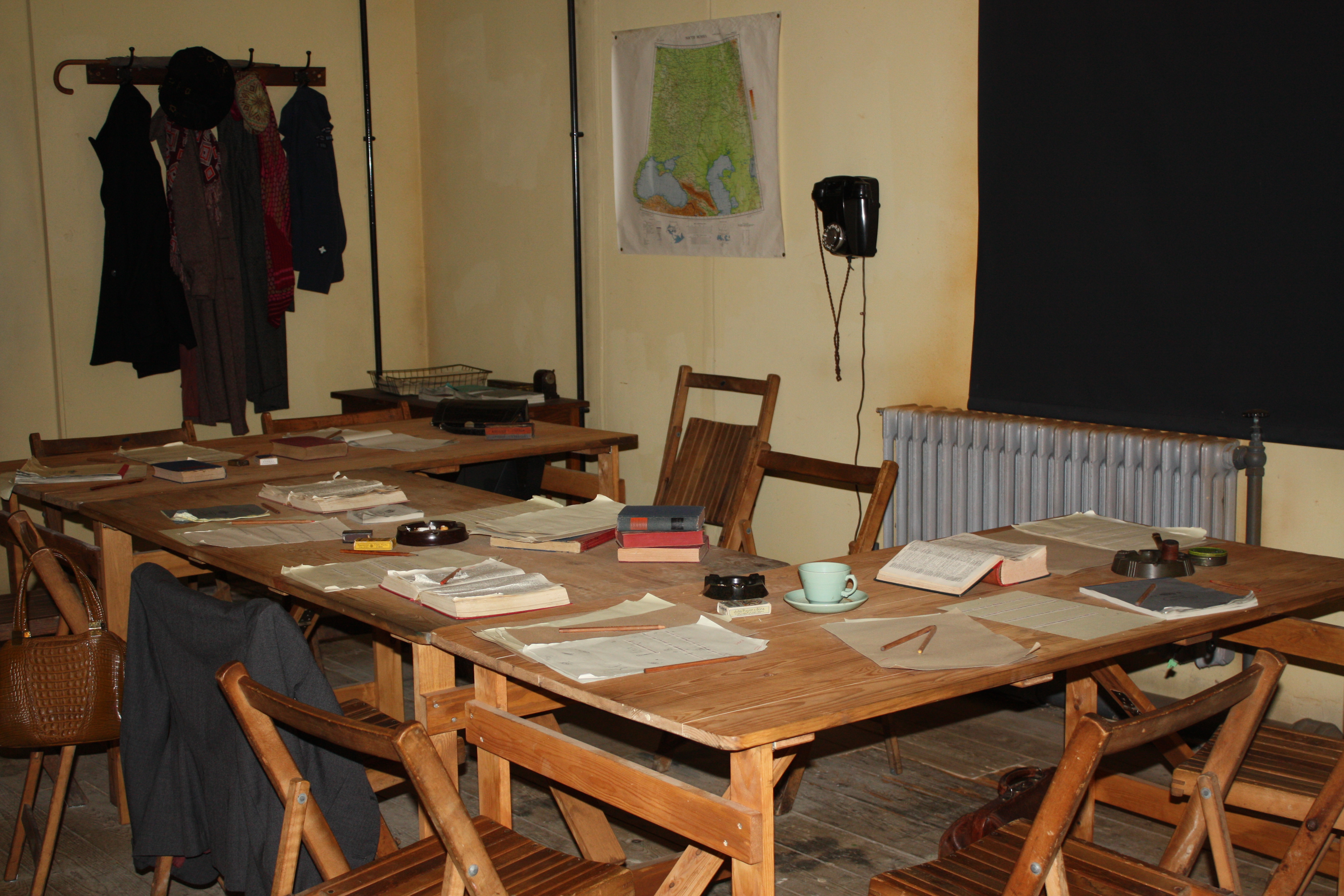
Quite a few rooms had been restored to the way that they were
Buoyed with our success we decided to stay local and visit Attenborough to see what had flown in. As we are lazy at the weekend we didn’t get out until late in the morning and made our way from the car park up the main drag and round to tower hide. We had barely arrived when we were informed that a night heron had flown in to the reserve and was currently roosting near tower hide.
We made out way swiftly to the path that leads from tower hide to the fisherman’s car park and just beneath a heron nest was the night heron roosting in tree. It was remarkably conspicuous especially as the other times we have seen them they have skulked in the reeds or under the overhang of trees. We couldn’t see much of its head but occasionally it would open a single red eye and glare balefully at us. We stayed watching it for some twenty minutes. We made our way slowly back to tower hide. We could hear the bittern booming in the reeds behind us and a grasshopper warbler singing in the field with the brambles. We couldn’t see the grasshopper warbler but when we stood on the top platform of tower hide we managed to see it clearly in the thicket.
Sedge warblers, linnets and assorted chiffchaffs and whitethroats were also singing lustily.
We watched the grasshopper warbler for some fifteen minutes and then made out way back to the centre. The other side of the centre we went into the sand martin hide. The birds are so close you can see every feather and it is a magical experience. At the front of the hide along the water’s edge a common sandpiper was walking backwards and forwards. We watched him closely and we were very pleased as it was the first common sandpiper we have seen this year ( not so common then). The night heron and the grasshopper warbler together with the common sandpiper bring my total number of bird species seen this year up to a hundred and sixty two. If I see another thirty eight species I will have reached my target for the year. The ground ivy, ladies smock and cowslips were all in flower as were violets. We saw comma, small tortoiseshell, orange tips in profusion and a peacock. After we had come home I saw my first Holly blue in the garden. Your father is on a snail’s course next weekend so not much bird watching then.
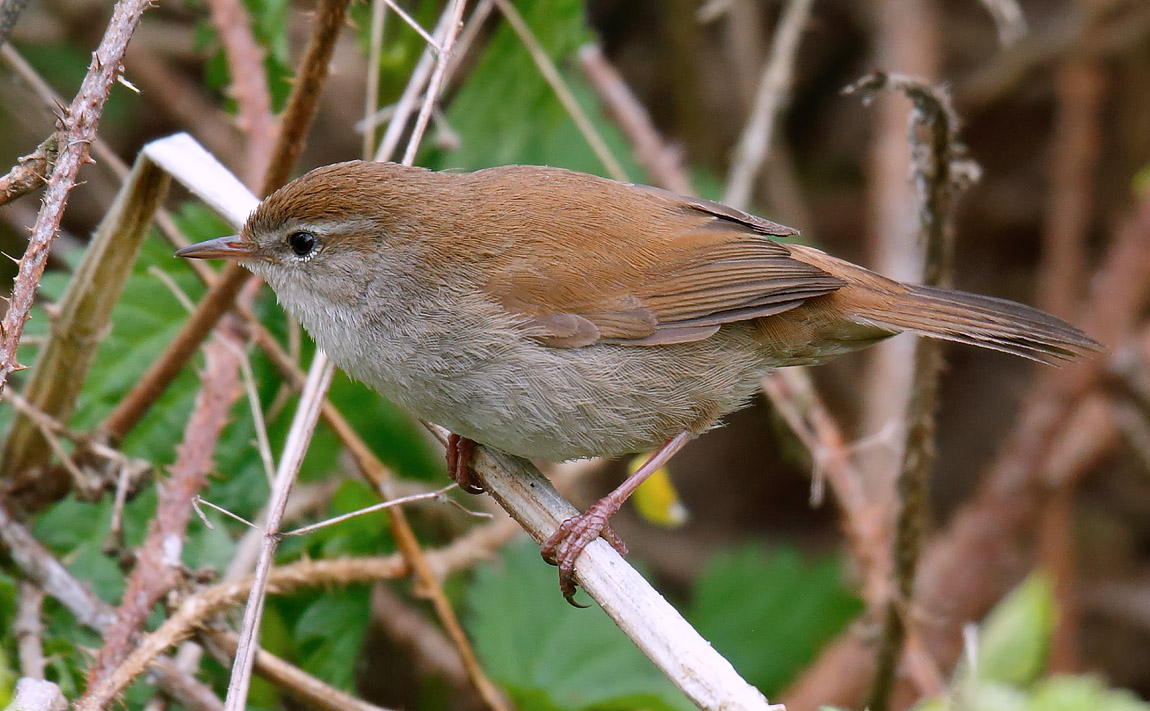
I finish with a picture of a Cetti’s warbler they are everywhere at Attenborough there must be at least 20 pairs on the reserve.We didn’t take this shot fat chance with the fleeting glimpses we get but it is a lovely bird.
Well that is the title of a poem by Robert Browning.
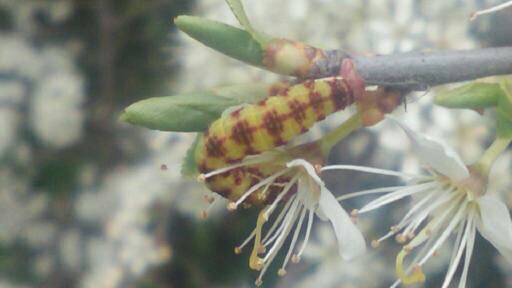
This was a caterpillar on a blackthorn blossom
However this weekend we decided to hunt for migrants. We started off our quest at Eyebrook reservoir in Leicestershire. It was rather cold and murky. This weather will be but a distant memory for you as you bask in sunny Italy. However we did see yellow wagtails and the little owl was back in his tree. We swiftly moved on to Rutland where we saw the ospreys both on the nest and flying over lagoon four. In fact Lagoon four was a magnet for migrants as we picked up curlew sandpiper just starting to come into summer plummage, a couple of raven flew over the lagoon and late in the afternoon 5 whimbrel flew in causing us to make a mad dash for the hide to see them in case they migrated further north. They were on a scrape and stayed out giving excellent views of the stripes on their heads and their diagnostic features. At lagoon three we had a couple of Arctic terns fishing and two hobbies flew over the trees at the back. We watched them for over half an hour. We could see the red on them and saw them catch several insects which they proceeded to pass from their talons to their mouth in mid air.
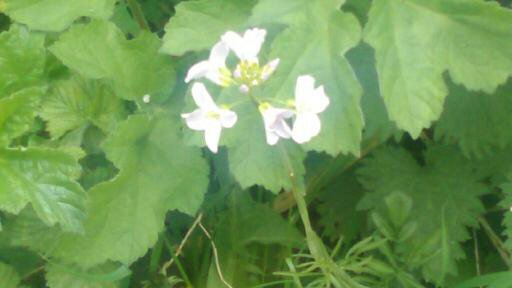
The ladies smock was out as you can see
As the sun was out despite being chilly we saw several species of butterflies including orange tip, speckled wood, peacock, comma and a species of white which took off before we could get close enough to identify it.
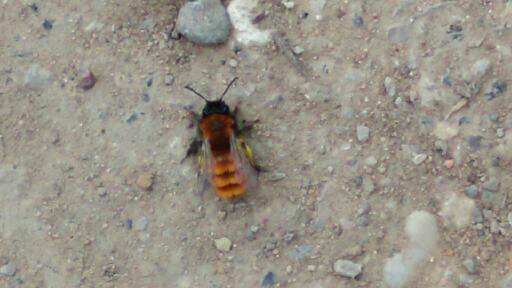
Several bees were also about including Bombus leucorum , white tailed bumblebee, Bombus lapidarius red tailed bumble bee, Andrena fulva tawny mining bee and Andrena cineraria ashy headed mining bee. All in all we saw seventy eight different species of bird, eight of which we hadn’t seen this year.
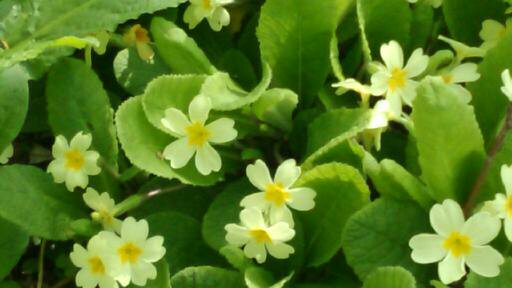
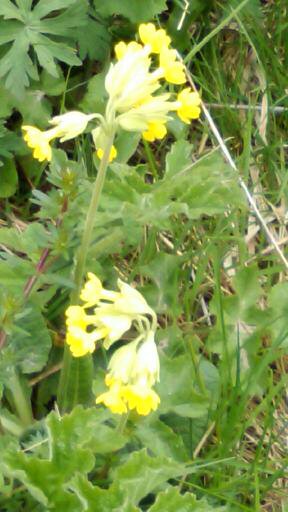
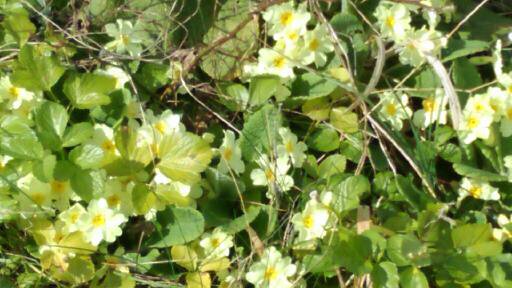
There were still a great many primroses in flower and cowslips were blooming in the flower meadows.
We also found some forget me nots wood ones
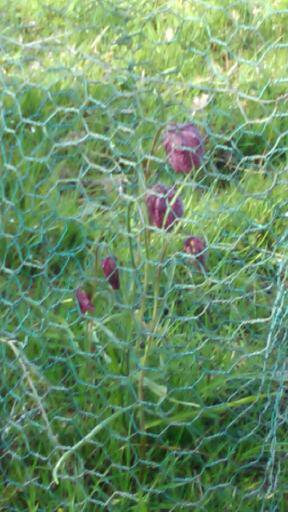
Well In know it is a short post but I leave you with a picture of the Fritillaria meleagris, snakeshead fritillaries, blooming in the wild flower meadow. Unfortunately to protect them from the rabbits they are completely encase in wire fencing. This makes them appear to be imprisoned.
Whilst midsummer brings the longest day, the summer solstice and winter the shortest day, both the spring and autumn equinoxes provide portals between the seasons. They are a time for change when birds are travelling, plants are awakening or entering dormancy. When animals are either waking from hibernation of fattening themselves up in preparation. The spring equinox in particular is one of the busiest days of the year. It is at this time that the remnants of birds that spend winter in these islands linger. Whilst the first summer visitors arrive. It is therefore a wonderful time for birdwatchers and season watchers alike. It was with this in mind that we headed to the North Norfolk coast on Sunday. The weather was wet further south in Suffolk and though it was both cloudy and cold it remained dry for us. Driving through Nottinghamshire we were surprised to see what we first took to be a skein of about 70 geese flying in v formation across the landscape. As they approached we realised that they were swans. Either Whoopers or Bewicks making their way north. We watched them pass overhead wing beats almost perfectly synchronised. her is a photo of one I took earlier.
I slept most of the way to Norfolk the drive being particularly long and awoke just outside Kings Lynn We stopped for a leg stretch on the cliff tops at Hunstanton where we saw several fulmars having a wash in the sea just off the coast. Scoters were flying along the coast and the Alexanders was in flower.
we drove up to Choseley Barns and found a flock of eight yellowhammers gathered together and both red legged and grey partridge in a field. the grey partridge were crouched among the furrows like fluffy clumps of earth. Here is the view from Choseley barns to remind you.
Heading further round the coast we stopped briefly at Holkham where we saw seven white fronted geese grazing in a meadow we remained in the car so we would not alert them. The skies cleared as we drove towards Cley and visited the café. We were both so hungry getting up at dawn can do that. Suitably refreshed we took stock of what was about and headed to Weybourne. This area of coast is just beside the Muckeborough museum where we saw the military vehicles one memorable holiday. We hadn’t visited the coastal part before so this was a new site for us. As we approached a group of birdwatchers were studying a small pond over a hedge adjacent to the car park. We hurried to join them and were treated to the sight on a pair of garganey ducks. they really are one of the cutest duck species and very easily identified with that white blaze on the head and neck. The female was also very well marked. we saw them for a few minutes before they went behind an island and out of view when we turned our attention to the dunes and were rewarded with two male wheatears on the field of rough grassland. we watched them for rather longer enjoying the site of one of the earliest migrants. The Lapland buntings and snow buntings that had been reported on the site had been flushed when a dog walker walked across their field. thankfully a Lapland bunting was showing well at salthouses. we made our way back along the coast road and parked near a small bridge. The car park on the shingle has disappeared leaving only a turning circle where it used to stand. I miss it turnstones, shore larks and snow buntings used to be there people used to leave seed out for the snow buntings on the bank. Anyway we watched the Lapland bunting which gave excellent views. It is not the most attractive species looking rather like a reed bunting female and sparrow coloured. When it got tired of the attention it flew across the road and into the long grass on the other side much to the chagrin of the birdwatchers. we met some friends of your father’s and had quite a catch up dragonfly society members.
I Found this rather amusing road sign and took a picture to amuse you
There were a number of large clumps of primroses in flower on the banks beside the lane.
One of the birdwatchers was talking about a black redstart at Felbrigg Hall. The car park area was where we saw the firecrest some years ago and the trees adjacent to the car park we saw redpolls and crossbills on a separate occasion. We decided to drive to the hall. When we got there we learned that there was a grey wagtail also on the hall building. We pottered down to the hall stopping to chat to an elderly gentleman eating an orange who told us about the birds he had seen.
Being a birder is a bit like walking a dog, people who would normally never speak to you, come and ask you what you have seen, or tell you tales of their encounters with wildlife, or offer suggestions. Some attempt to play a form of birding top trumps, twitchers are especially prone to this game. Others will seek to rubbish anything you see to assert their own superiority in much the same way as some insecure people criticise others in order to make themselves look better. You know how I abhor this last move as I have been rather vocal about it on a number of occasions when someone has rained on my parade.
In the same way dog walkers will spontaneously talk to each other. Some have a society of their own where they stand on the park chatting whilst their dogs frolic about, the only criterion for membership is walking a dog.
The black redstart put on a remarkable display hopping along the guttering, turning to flaunt its rufus tail, flying up to catch an insect then returning to hop along a bit further. When it had become fed up it fluttered around the side of the house out of view. I photographed the house good luck trying to see the bird.
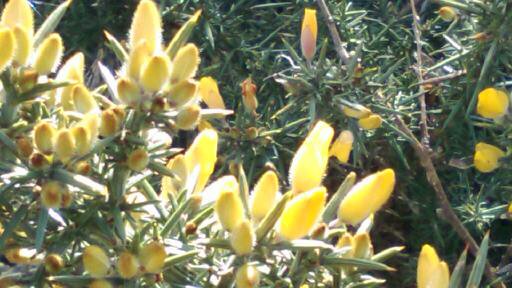
The gorse was in flower so kissing is in season. It was covered in a number of diptera species.
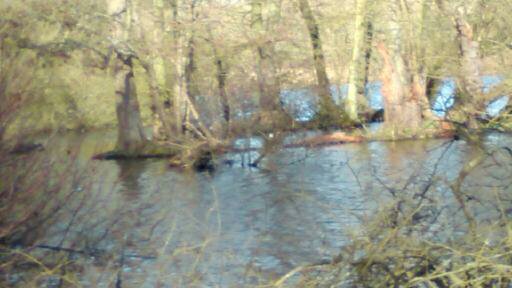
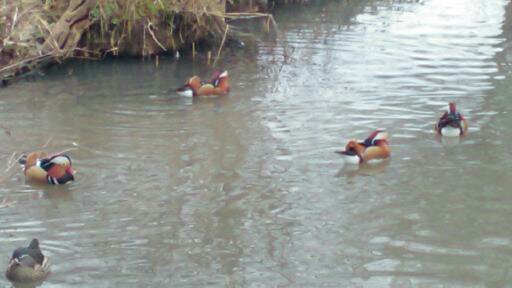
We were told that there were two mandarins on the lake so we went in search of them. The lake is joined by a muddy stream with patches of rough sedge and reeds. Among these islands of vegetation snipe were lurking, teal were dabbling and moorhens were chugging along.
The lake was full of gadwell, tufted duck, coots, mallards and generally the usual suspects, no sign however of mandarin. To get some exercise after such a long drive we walked around the lake and I photographed some of the vegetation. At the back of the lake we found a wooden screen and staring through that we spotted two make mandarins and a female among the trees. If you enlarge the photo you can just spot them. However here is a second photo illustrating male mandarins I took this somewhere else with tamer birds.
We finished the day at Titchwell where we spectacularly failed to see a little gull, Mediterranean gull and greenshank. we did however manage to see a lovely sunset. On the way home a barn owl, knowing no doubt that we were birders, tried to fly into our car. Thankfully it passed over the car but frightened us both as injuring or killing a barn owl would have spoiled our month let alone our day. We look forward to seeing you at Easter. So ended a lovely day. We saw 84 species of bird and nine that were new for the year.
Robert Dodoens first described snowdrops as a separate species in 1583. Even though the species was called Leucoion bulbosumtriphyllon, the associated picture clearly illustrates a snowdrop (Stern, 1956). The species was described as a stranger to Belgium but as common in Italy. In the sixteenth century pictures of snowdrops appeared and the term snowdrop originated from the word Scheetropfen, i.e. pendants worn in the sixteenth century. There are many folk names for these plants, some of which, such as ‘Fair maids of February’ and ‘Perce neige,’ reflect their time of flowering. Linneaus described the genus Galanthus in Systema Naturae in 1735.
Galanthus nivalis was first recorded wild in Worcestershire and Gloucestershire in 1770 (Bourne, 2000).
The name Galanthus translates from Greek and means milk flower resembling snow. The genus contains eighteen species spread across Europe and Asia; most are woodland species though there are some grassland or mountain species. Galanthus Elwesii is named after Henry Elwes from Gloucestershire who introduced the species to Britain in 1874 from Mount Balansa in Smyrna Turkey where it had been discovered in 1854.
Snowdrops are classified by the vegetative characteristics of their leaves and their position relative to one another. There are three groups:
The Nivalis group whose leaves are flat and applied against each other, e.g. nivalis The Plicati group whose leaves show externally recurved edges, e.g. G. plicatus
The Latifoli group whose leaves are rolled within each other at emergence, e.g. Elwesii (Le Nard & De Hertogh 1993).
Arrangement of leaves in groups of Galanthus species from left to right Nivalis group, Plicati group and Latifoli group
Within these groups the species have been separated by such characteristics as the markings on the inner segments, by the length of the pedicel in relation to the length of the spathe and by the colour and shape of the leaves. All of these characteristics appear to be reliable in classifying wild plants (Stern, 1956)
ElwesiiG. nivalis
BOTANY
Galanthus belongs to the subclass Monocotyledonae and the family Amaryllidacae and the basic chromosome number is n = 12 (Rees, 1992). All wild species are diploid with the exception of some forms of G. Elwesii subspecies elwesii which are tetraploid and G. rizehensis which has a triploid form. The tetraploid G. Elwesii exhibits considerable variability in the size of the leaves and the flowers, which could be as a result of its polyploid form (Stern, 1956).
Bulb structure
The snowdrop bulb resembles that of the Narcissus but is much smaller and simpler. The storage organ is a truncated bulb, comprised of a tunic and two fleshy scales, which are the bases of the sheathing leaves and the bases of the two foliar leaves.
Each scale acts as a storage organ for a year. A new bulb unit forms in the axil of the outer leaf and comprises a sheathing leaf, two foliar leaves and an apical flowering stem. Each scale is thickened on one half of the circumference by corrugations on the inner side beneath the epidermis and this thickening occurs on opposite sides of the two bulb scales. At flowering time airspaces are formed between each pair of the corrugations. In some bulbs, a second flowering stem is initiated at the base of the second leaf. Bulbs have a cold requirement that must be satisfied before the bulb can re-grow. Bulbs rest from the time the foliage dies down until early autumn. Immediately after the foliage has died down, accumulated assimilates are stored within the bulb, such that the bulbs have maximum size and possibly enhanced vigour at this stage. Flowers are initiated before the foliage dies down and cold is necessary for extension growth, with the timing of emergence and anthesis in spring determined by ambient temperature (Rees, 1992). Plant growth occurs in autumn and flowering can start in October for some species, however most species flower from January to March.
Leaves
Leaves are enclosed in a tubular membranous strongly ribbed sheath comparable with that of Narcissus. The species of Galanthus have been classified by the way in which the leaves appear out of the ground. The leaves may be narrow, broad or elliptic and in the Plicati group the margins of the leaves are folded outwards.
The colour of the leaves varies from deep green to glaucous green with a dull or polished surface.
Flower development
Flower initiation takes place immediately after flowering during late winter and by June the differentiation of the flower is complete. Flower initiation is only observed in bulbs of more than 4cm circumference. The scape is cylindrical or compressed, green or glaucous arising from between the leaves; occasionally more than one scape is produced from one pair of leaves. At the end of the scape, the spathe is formed of two green leafy bracteoles (Stern, 1956). These are joined at the margin by two membranes. One membrane splits to enable the flower and pedicel to emerge, the other shrinks in width drawing the bracteoles together, so that the membrane is hardly visible. In most species there is a white membranous margin at the point where the pedicel issues from the scape, though in some species of G. ikariae, G. fosteri and G. rizehensis this membrane is absent. The following stages have been observed during flower differentiation.
Stage 1. Full initiation of the sheathing leaf and foliage leaves; the apex is still vegetative.
Stage 2. Raising and broadening of the growing point and formation of the main growing point in the axil of the first foliage leaf.
Stage SP. Both spathe leaves are initiated.
Stage P1. The three tepals of the first whorl are fully initiated
Stage P2. The three tepals of the second whorl are fully initiated.
Stage A1. The three stamens of the first whorl are fully initiated.
Stage A2. The three stamens of the second whorl are fully initiated.
Stage G. Formation and development of the carpels.
Stage G+ Formation of the style.
Flower structure
The flower is pendant, and its position is reversed when it bursts as a bud from between the two spathes that form a protecting cover when it is first pushed above the ground. In all snowdrops, the flowers are solitary, white, globular or bell shaped and pendulous. The three inner segments of the perianth are considerably smaller than the three outer segments forming a kind of inverted cup around the stigma and stamens (Synge, 1961). The inner petals are notched at the tips and fused at the base and show a green mark around the tip
Inflorescence of G. Elwesii Seed pod of G. Elwesii
Though generally single flowered, a double flowered form of G nivalis exists known as “Flore Pleno”.
The scape is in a central position between the leaves and has a length of between 10 and 20 cm (Le Nard & De Hertogh, 1993).
The anthers of snowdrops do not dehisce to discharge pollen but are formed like sacks with a small opening at the mouth. If touched by an insect, pollen is scattered through the opening. The pollen may also be carried by the wind. Most of the flowers are fertilised by bees, which cling to the inner segments and insert their head and thorax in search of nectar and are coated with pollen in the process. The style is longer than the stamens, white, slender with capitate stigma arising from the ovary, which is globose, green or glaucous composed of three loculi
Seeds
Galanthus is propagated by seed under natural conditions. The seed is light brown approx. 3.5 mm long and obtusely oblong with a fleshy caruncle, which is a light colour when fresh (Stern, 1956). Many species produce seed and the resultant seedlings flower in 3-4 years (Wilderspin, 1999). Snowdrop seeds germinate viviparously (Rees, 1992). Seeds can be sown as soon as they are ripe in summer. Like some other bulb plants they have limited viability and therefore it is advisable to plant them when fresh (Rees, 1992). The seeds will start to grow in the following spring and it takes between four to five growing seasons before flowering is observed; however, bulbets to be used as planting stock can be obtained after the second growing season (Le Nard & De Hertogh, 1993). Division of clumps of snowdrops before the foliage dies increases the numbers of bulbs the following spring.
GEOGRAPHICAL DISTRIBUTION OF GALANTHUS
The genus is confined to Europe, Asia Minor and the Caucasus. Galanthus nivalis has the widest distribution of all, being found throughout Europe from Spain in the West to the river Don in Russia in the East and as far north as Scandinavia. Stern (1956) reports that this species is not indigenous to Britain but has become naturalised throughout the country. Many subspecies are found in small geographical areas in Lebanon, Sicily and the Balkans. Several of these species flower in the autumn and have slightly different characteristics by which they may be identified. On the Greek islands, G. ikariae subspecies iIkariae is found.
G. ikariae
Galanthus ikariae latifolius is indigenous to the Caucasus region.
Galanthus Elwesii elwesii is reported on the islands of Samoe and Thasos. This plant is prolific around Smyrna and H.J. Elwes is said to have received it from near Sofia (Stern, 1956). Galanthus Elwesii var. maximus occurs in the Balkans and has characteristic twisted foliage whereas G. graceus is indigenous to Thrace and Bulgaria. Galanthus fosteri is found in the north central area of Asia Minor near Amasia however it has also been found further south in Lebanon.
Galanthus fosteri
Galanthus rizehensis, a species that has triploid forms, is found near Trebizondit.
Galanthus rizehensis
It has characteristics of both G. ikariae latifolius and G. nivalis and grows in the same area as G. ikariae latifolius and may be derived from that species (Stern, 1956).Galanthus alleni is found in the province of Gruzia in the central Caucasus whereas G. caucasus grows throughout the western and eastern districts of the Caucasus and spreads as far as Iran.
Galanthus alleni
In the East Caucasus in the province of Talysh, a Russian botanist named the species G. transcaucasicus about which nothing appears to be known outside Russia. Galanthus bazantinus is found in the area around Bursa east of the Bosphorus and has characteristics intermediate between those of G. Elwesii (inner segment markings) and G. plicatus (reduplicate margins to the leaves).
Galanthus bazantinus
Galanthus plicatus can be found in the Crimea, but is also found in the Dobruja area. Another species with reduplicate leaves, G. woronowii, is described by a Russian botanist. This species is endemic in the area around Sochi east of the Crimea on the Black Sea coast. Nine species are found in Asia Minor and the Caucasus.
Galanthus plicatus
Galanthus woronowii
Most Galanthus species are collected from the wild in Turkey and France, however this is ecologically unsound. Dutch statistics show that 59 million snowdrop bulbs were exported world-wide from Holland in 1989 (Hanks, 1991). Le Nard and De Hertogh (1993) state that The Netherlands exported 48 million snowdrop bulbs in 1985-1986. Improved propagation techniques could eliminate the need for the depletion of indigenous populations. The creation of self-sustaining commercial populations could lead to increased sales and greater diversity of species and hybrids available.
CULTIVATION
All the species are hardy and most are easy to grow as they multiply into large clumps of bulbs. Some species thrive in open sunny positions, for example G. Elwesii (Bowles, 1918) and G. caucasicus (Stern, 1956), others thrive best in semi-shaded conditions, for example G. nivalis and G. plicatus (Synge, 1961; Mothew, 1973).
Galanthus nivalis under trees
Galanthus nivalis in grassland
Snowdrops flourish on chalk and clay soils. They require an adequate supply of moisture and organic matter and thrive best with a certain amount of shading, as the foliage is susceptible to scorching. They are intolerant of animal manure, but may be fertilised with dried blood or bone meal (Synge, 1961; Mothew, 1973). All snowdrops are best moved and divided while they are making growth or just after they have flowered. They are collected from the wild in late March / early April when the leaves are still green. The bulbs are very sensitive to desiccation. The soil pH must be near 7 to ensure well tunicated bulbs. The bulbs are planted in August / September at a depth of 5 – 10 cm. Some species, such as G. graecus and G. byzantinus, seed freely and different species cross with each other in cultivation (Stern, 1956) providing opportunities to develop new forms. Snowdrops are relatively free from pests and diseases though there are reports of stem nematode Ditylenchus dipsaci appearing in snowdrops (Rees, 1992).
Ditylenchus dipsaci
Symptoms resemble those found in narcissus, i.e. leaves are short, distorted and pale with a few elongated lesions. Bulbs are soft and when cut open reveal characteristic brown rings. There is no curative treatment available.
Bulbs also can contain a variety of fungal contaminants such as Fusarium spp.
OBJECTIVES
In order to reduce the numbers of bulbs being removed from the wild it is necessary to improve commercial propagation of Galanthus bulbs. The main objective of the project is to investigate the vegetative propagation of Galanthus using chipping and micropropagation to determine the optimum method of propagating large numbers of bulbs. In order to propagate Galanthus bulbs, it is first necessary to reduce the microbial contamination within the tissues. An optimum treatment has to be established for the surface sterilisation of tissue explants from bulbs using surface sterilisation, hot water treatment of bulbs and antimicrobial chemicals (antibiotics/fungicides). Snowdrops have been propagated through the production of adventitious shoots and or somatic embryos from leaf tissue, floral scapes and ovaries of G. nivalis & G. Elwesii cultured in vitro (Girmen and Zimmer, 1988a, b & c) and this method of propagation is assessed. There are many papers published on the production of adventitious shoots and somatic embryos from Narcissus a closely related bulb genus (Hussey, 1980; Sage et al., 2000; Hosoki & Asahira, 1980).






























 changinglifestyleblog