Weed of the week QUACKGRASS Elytrigia repens

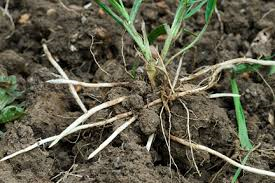
couch grass

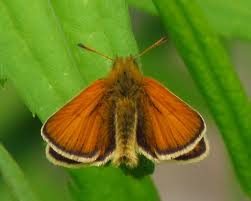
Essex skipper

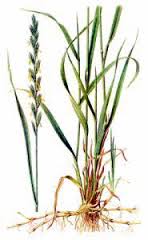
couch grass structure

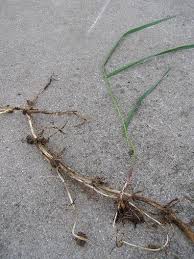
rhizome of couch grassQUACKGRASS Elytrigia repens

Other common names include Couch grass, scutch grass, twitch grass

Appearance of Couch Grass

  • Couch grass is a common and invasive garden weed. It is a perennial grass which rapidly spreads by rhizomes (underground stems). Root system – The slender, extensively spreading rhizomes (horizontal underground stems) are white to pale yellow, with brownish sheaths at the joints (nodes), giving them a scaly appearance. Tips of the rhizomes are sharply pointed. Rhizomes can grow 3 to 11 feet long, and form a dense mat. Most rhizomes are found within 4 to 6 below the soil. Fibrous roots are produced at the nodes.
  • Stems – Stems are erect, smooth, round and unbranched. They can grow 1 to 4 feet tall and, like most grasses, are hollow.
  • Leaves – Leaves are rolled in the bud. The leaf blade (free part of the leaf) is dull grayish-green (sometimes dark green), thin, flat and finely pointed. Blades are finely ribbed on upper and lower surfaces, and measure 1 1/2 to 8 inches long (sometimes up to 12 inches) and 1/8 to 1/4 inch wide (sometimes up to 1/2 inch). The upper blade surface and margins are typically rough or slightly hairy, and the lower surface is smooth. The base of the blade is often lighter in color. The leaf sheath (part of the leaf surrounding the stem) is round and short, with overlapping margins. Lower sheaths are usually hairy, while the upper sheaths are smooth. The ligule (projection inside on the top of the sheath) is membranous and very short (1/50 to 1/25 inch long). A pair of whitish-green, brownish or reddish, narrow, claw-like appendages (auricles) clasp the stem at the junction between the leaf blade and sheath.
  • Flowers – Flowers are arranged in a long, slender, unbranched spike (2 to 10 inches), resembling a slender head of wheat. The yellow-brown seeds (1/5 to 1/3 inch long) are elongated toward the tip, tapering to a blunt base, and topped with a ring of hairs. Seeds of couch grass s germinate in early spring, and flowering occurs from late May to September. Flowers are wind-pollinated and relatively self-sterile. One  plant can produce up to 400 seeds per season, but most plants produce fewer than 50 seeds. Seeds are short-lived, and are reported to lose viability within 4 years. Seeds have been found to remain viable after passing through the digestive tracts of horses, cows and sheep, but not after passing through pigs.

Distribution

Couch grass has become naturalised throughout much of the world, and is often listed as an invasive weed. Interference of this species with crops can cause yield reductions (up to 85% in corn) and can also result in delayed corn maturity. It is an alternate food source for several insect and disease pests of grain, such as the cereal leaf beetle (Oulema melanopa) and bromegrass mosaic virus. According to a botanical publication from 1672, it was introduced into New England by the colonists for forage. Quackgrass is typically found in crop fields, roadsides, river banks, lawns, waste places and abandoned fields. It is often used for hay and pasture. This species can grow in a variety of soil types, and has a high tolerance for drought and salinity. It prefers neutral to alkaline soils.

The Problems with Couch Grass

Couch grass or twitch grass (Elymus repens) is an old enemy for many gardeners. Its wiry, underground stems and creeping shoots pop up around garden plants and before long can take over a bed. As a perennial weed thorough killing or eradication of the roots is necessary.

The network of rhizomes become entangled in clumps of herbaceous perennials and among shrubs and fruit bushes causing great problems, as they are difficult to remove. Couch can easily spread from infested lawns into adjacent borders.

Couch is usually spread from garden to garden unwittingly when small sections of rhizomes become hidden among the roots of plants or in manures or soil.

Regular chopping of rhizomes through cultivation can be an effective way of controlling quackgrass infestations.. It is very difficult to remove from garden environments, as the thin rhizomes become entangled among the roots of shrubs and perennials, and each severed piece of  rhizome can develop into a new plant. Research has found that 30% of 1/8 inch fragments of quackgrass rhizomes were capable of producing aerial shoots It may be possible to loosen the earth around the plant, and carefully pull out the complete rhizome. This is best done in the spring, when disturbed plants can recover. Another method is to dig deep into the ground in order to remove as much of the grass as possible. The area should then be covered with a thick layer of woodchips. To further prevent re-growth cardboard can be placed underneath the woodchips. The long, white rhizomes will, however, dry out and die if left on the surface. Some herbicides will also control it. The growth of rhizomes of Elymus repens (L.) Gould (couch grass) from single-node fragments on plots sown with six perennial grasses was reduced by a factor of 10, compared with initially bare plots. The location of shoot complexes of E. repens after three seasons indicated that Arrhenatherum elatius and, to lesser extents, Agrostis stolonifera or Dactylis glomerata, prevented couch growth more than Holcus lanatus or Poa trivialis. Strips of sown grass at the edge of arable fields may therefore reduce the spread of couch grass into adjacent crops. Fertiliser application of 32 kg N ha−1 doubled the amount of couch rhizome. Mefluidide and paclobutrazol, plant growth regulators which might be used to manage sown grass, had minor effects on rhizome structure. D. glomerata did not spread from where it was sown and was largely uninvaded by other species. The herbicide, N-phosphonomethyl glycine (glyphosate), is readily absorbed by the foliage and translocated in the phloem of couch grass. Despite the reduction in growth in plots where perennial grasses coexist there is no herbicide that will control couch without killing different grass species around the plant.

Ecological relevance of Couch Grass

The foliage is an important forage grass for many grazing mammals The seeds are eaten by several species of grassland birds, particularly buntings and finches. The caterpillars of some Lepidoptera use it as a foodplant, e.g. the Essex Skipper (Thymelicus lineola).

Uses of Couch Grass

Couch grass has valuable uses. It remains green all year round and can make good forage and hay. Total crude protein content is comparable to timothy (Phleum pratense). Nitrogen levels in couch grass are high enough, without reaching toxic levels, to be appropriate for cattle feed, although biomass productivity and palatability are generally low. Couch grass can be used to prevent soil erosion, and it is effective in removing nutrients from wastewater effluent when sprayed on soil.

The dried rhizomes of couch grass were broken up and used as incense in mediaeval Northern Europe where other resin-based types of incense were unavailable.

Medicinal uses

Couch grass it valued by herbalists for its mucilage rich rhizome. rhizomes have been used in the traditional Austrian medicine against fever, internally as a tea, syrup, or cold maceration in water, or externally applied as a crude drug.

A tea made from the roots is useful for treating urinary infections because of the herb’s broad antibiotic, and diuretic properties. One of the chemical constituents, agropyrone, has been shown to have strong antibiotic properties. Couch grass tea will also soothe and coat an inflamed sore throat, and helps clear phlegm. The herb contains mucilage that helps to clear congestion while it coats the throat. Other sources report that it has been used to treat gout, rheumatic diseases and chronic skin conditions. For all of these remedies there is a lack of clinical studies to support its efficacy.

Folklore

Couch grass is reputed to have been used in folk magic and the occult. The ‘power’ comes from the fact it has an irritating quality. This irritation is believed to be used to cause discomfort or pain to ones enemies as well as to shake up couples.
Nettles weed of the week health properties and research

Nutritional content

Nettles contain vitamin A, vitamin B1 (thiamine), B2 (riboflavin), B3 (niacin), B5 (panothenic acid), vitamin C, vitamin D, vitamin K, vitamin E. chlorophyll, potassium, calcium, mangaan, acetycholine, serotonine, sulphur, iron, selenium, magnesium, chromium and zinc.

Nicholas Culpepper, in his classic work Complete Herbal and English Physician says that Mars governs nettles. ” You know Mars is hot and dry, and you know as well that winter is cold and moist; then you may know as well the reason nettle-tops, eaten in the spring, consumeth the phlegmatic superfluities in the body of man, that the coldness and moistness that winter hath left behind.”
Medical uses
Arthritic joints were traditionally treated by whipping the joint with a branch of stinging nettles. The theory was that it stimulated the immune system and thus reduced swelling and pain in the joint. Various studies support the effectiveness of this treatment ( Randall et al., 2000; Chrubasik et al., 1997).
Various types of Nettle have been studied for their effects on prostate hypertrophy, diabetes mellitus, rheumatic disease, hypertension, gastrointestinal symptoms, osteoarthritis, diarrhea, rheumatoid arthritis, inflammation, pain (Gülçin et al., 2003; Marrassini, et al ., 2010), constipation, gastrointestinal disease, headache, nausea, common cold, arthritis, asthma, bleeding, respiratory tract disease, allergic rhinitis, kidney disease, prostate cancer, skin disease and urinary tract disease. In terms of allergies, nettle contains properties of an antihistamine to be used for treating reactions associated with the respiratory system.
Medical research
In clinical trials Urtica dioica has been tested for its benefits in the treatment of Benign Prostatic Hyperplasia (BHP), a condition that affects elderly men. It is a non-cancerous enlargement of the prostrate gland. This gradually narrows the uretha that drains the urine from the bladder and causes difficulty in urination. This can also cause lower urinary tract symptoms.

In clinical trials held at the University of Medical Sciences in Iran, Urtica dioica has been shown to lessen the symptoms of BHP. In a 6 month trail 81% of the 287 patients suffering with BHP and using nettle, had noticed an improvement of their symptoms of lower urinary tract, compared to 16% of the 271 patients taking a placebo. A modest reduction in the size of the prostrate was also noticed in the patients taking the roots of Urtica dioica. (PubMed 2005).

Further clinical trials held in the University Clinics of Cologne in Germany, for patients suffering from Lower Urinary Tract Symptoms (LUTS), caused by BHP proved to have a higher success rate of 34% for those taking the roots of Urtica dioica compared with the patients who took Tamsulosin (an alpha blocker) medication.

In 1999 at the Plymouth postgraduate Medical School, University of Plymouth in Devon, an exploratory study of nettles Urtica dioica for musculoskeletal pain and discomfort was conducted by Dr. Colin Randall. The trial was conducted on 18 patients whose ages were between 48 and 82 and who had already used nettle for the varied pain and limited function in the knees, shoulders, wrists, finger, back thumb, hips or sciatica. 15 of the 18 patients claimed nettle treatment worked about 90% of the time. The pain relief was normally quick to act and one patient claimed her psoriasis on her elbows had also improved. No serious side effects were found from nettle use other than the red rash normally caused by the nettle sting. The results found were interesting and led Dr. Randall to study nettle use further.

In 2000, he conducted a randomised controlled double blind study of nettle Urtica dioica in the use for people who suffer from osteoarthritic pain in the base of the thumb or index finger. The stings of nettle leaves were applied to the base of the thumb or finger for one week. 27 patients took part on this occasion. 13 patients used stinging nettle Urtica dioica while 14 used White Dead Nettle Labium album as a placibo. Researchers found that nettle stings significantly reduced the pain of osteoarthritis in the thumb and index finger and also the level of pain stayed lower throughout most of the treatment. 17 patients said they wished to use stinging nettle in the future. Recently research has demonstrated that the (N-acetylglucosamine)n-specific plant lectin from Urtica dioica is a potent and selective inhibitor of human immunodeficiency virus and cytomegalovirus replication in vitro.
Akbay et al., 3002 isolated the major flavonoid compounds from the methanolic extract of the aerial parts of Urtica dioica L. Their immunomodulatory activities were studied in vitro by chemotaxi. the total flavonoid fraction were determined to have significant chemotactic effects According to the results all flavonoid glycosides showed high intracellular killing activity. The results of both assays confirmed the immunostimulatory activity of the flavonoid fraction and the isolated flavonoid glycosides on neutrophils suggesting that they could possibly be useful for treating patients suffering from neutrophil function deficiency and chronic granulomatous diseases.


Tall nettles cover up, as they have done
These many springs, the rusty harrow, the plough
Long worn out, and the roller made of stone:
Only the elm butt tops the nettle now.
This corner of the farmyard I like most
As well as any bloom upon a flower
I like the dust on the nettles, never lost
Except to prove the sweetness of a shower.

Poem by Edward Thomas 1878 – 1917


REFERENCES
Akbay, P., Basaran, A. A., Undeger, U. and Basaran, N. (2003), In vitro immunomodulatory activity of flavonoid glycosides from Urtica dioica L. Phytother. Res., 17: 34–37. doi: 10.1002/ptr.1068
• Jan Balzarinia,Johan Neytsa,Dominique Scholsa,Mitsuaki Hosoyac, Els Van Dammeb, Willy Peumansb, Erik De Clercq Helleborine and the (N-acetylglucosamine)n-specific plant lectin from Urtica dioica are potent and selective inhibitors of human immunodeficiency virus and cytomegalovirus replication in vitro
http://dx.doi.org/10.1016/0166-3542(92)90038-7, How to Cite or Link Using DOI

Click to access RefPlants_20.pdf

Chrubasik S, Enderlein W, Bauer R, Grabner W. (1997). Evidence for the antirheumatic effectiveness of herba urticae dioicae in acute arthritis: A pilot study. Phytomedicine 4: 105-108.
David 1991 Insects on Nettles Naturalists Handbook Richmond Publishing Co Slough England
˙Ilhami Gülçin a, Ö. ˙Irfan Küfrevioˇglu a,∗, Münir Oktay b, Mehmet Emin Büyükokuroˇglu c 2004 Antioxidant, antimicrobial, antiulcer and analgesic activities of nettle (Urtica dioica L.) Journal of Ethnopharmacology 90 (2004) 205–215

Mabey Richard 2010 Weeds Profile Books London
Mabey Richard 1977 Plants With A Purpose Collins London
Mabey Richard 2007 Food for Free Collins London
Marrassini, C.; Acevedo, C.; Miño, J.; Ferraro, G.; Gorzalczany, S. (2010). “Evaluation of antinociceptive, antinflammatory activities and phytochemical analysis of aerial parts of Urtica urens L.”. Phytother Res 24 (12): 1807–1812. doi:10.1002/ptr.3188
Randall C, Randall H, Dobbs F, Hutton C, Sanders H (2000 Jun), “Randomized controlled trial of nettle sting for treatment of base-of-thumb pain”, Journal of the Royal Society of Medicine 93 (6): 305–309, PMC 1298033, PMID 10911825
Salisbury Edwards 1961 Weeds and Aliens New Naturalist Collins London

Weed of the Week Nettles The Ecology of Nettles

 ECOLOGY OF STINGING NETTLES

Urtica dioica the stinging nettles with its stems and leaves densely   covered with stinging hairs, which release potential pain-inducing toxins   when brushing contact is made with them, is rarely eaten by rabbits. However nettle seeds have been found in cow dung so are eaten by cattle. Nettles have a higher nutritional value than the fodder crops amongst which they thrive. Nettles contain 5 times the copper and 1.5 times the iron content of fodder grasses   and when dried may be consumed by cattle without ill effects. They are palatable   to some species of snail (Salisbury 1961). The stings offer little defence against caterpillars. Up to 31 species of Lepidoptera butterflies and moths   feed on stinging nettles, of which the adults of 4 species and 31 larvae feed   (Davis 1991).

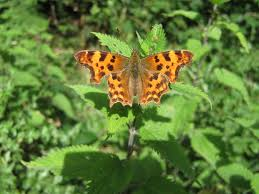
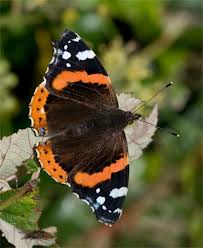
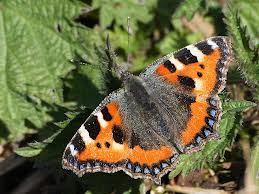
Urtica dioica is the food plant of the larvae of a  number of attractive butterflies and other phytophagous insects. Nettles are home to a lot of butterflies like the   Red Admiral Vanessa atalanta, Small Tortoiseshell Aglais urticae,   Peacock butterfly Inchis io and the Comma butterfly Polygonia   c-album. They use the nettle to lay their eggs on and when the larva   hatch they feed on the nettles.

Red Admiral Vanessa atalanta

                                                                           red admiral butterfly on nettles

Small Tortoiseshell Aglais urticae

          small tortoiseshell butterfly on nettles

Peacock butterfly Inchis io

peacock butterfly on nettles


Comma butterfly Polygonia c-album.

comma butterfly on nettles

Some moths also use the nettle patch to lay their eggs or feed, they include   the Burnished Brass moth Diachrysia chrysitis,

burnished brass moth

Snout Hypena proboscidalis, on   left and

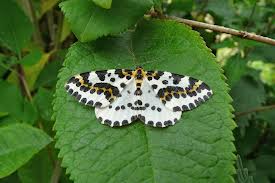
small magpie moth

Small Magpie Moth Pleuroptya   ruralis, 

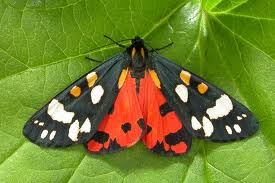
        Cream spot tiger Arctica   villica, and Scarlet Tiger Callimorpha  claminula, in the picture

scarlet tiger


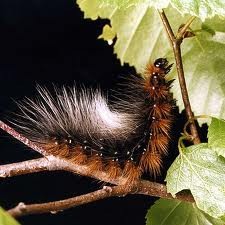
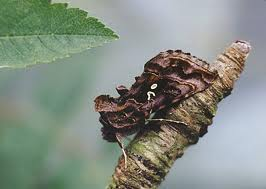
Garden tiger caterpillar Arctica   caja,

garden tiger moth caterpillar


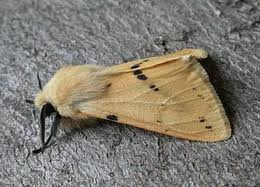
Buff ermine Spilosoma luteum,  in the picture  and Silver Y Autographa pulchrina,

Buff ermine Spilosoma luteum


Angle shades Phlogophora meticulosa, and on the   right The Spectacle Abrostola triplasia,

angle shades Phylogophora meticulosathe Spectacle Abrostola triplasia


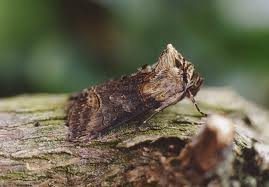
Beautiful Golden Y Autographa pulchrina,

Beautiful Golden Y Autographa pulchrina

Nettle Top moth Anthophila   fabricana and the Mother of Pearl moth Pleuroptya ruralis  pictured below(Davis 1991).

Mother of Pearl moth Pleuroptya ruralis


(These images were produced by   the British Moth Project, FLIKR and various universities Thank-you for   letting me use these images)

The larvae of all of these   species have been reported feeding on nettle foliage. In addition spiders,   harvestmen, woodlice and snails feed on nettle plants.

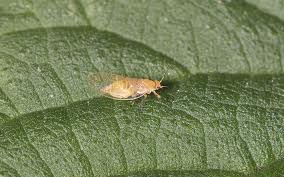
Jumping Plant Lice Trioza urticae use the nettle to lay theirs   eggs, where they create a gall (an abnormal growth produced by the plant or   other host which causes an enlargement on the plant that provides food and   shelter for the host.)

Jumping Plant Lice

jumping plant lice

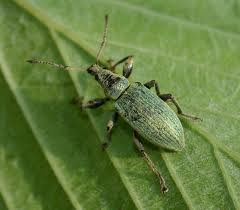
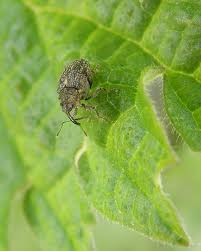
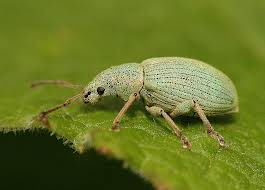
Some insects like the Nettle Weevil Phyllobius pomaceus, the   Small Nettle Weevil Cidnorhinus quadrimaculatus, the Small Green   Nettle Weevil Phyllobius roboretanus and the Green Nettle Weevil Phyollobius   viridaeris only live in nettle patches.

From left to right The Nettle Weevil, Small Nettle Weevil

nettle weevilsmall nettle weevil

The small Green Nettle Weevil  pictured below and Green Nettle Weevil

untitledsmall green nettle weevil

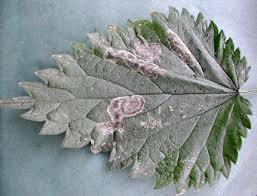
Nettle Aphids Microolophium carnosum and Aphis urticata   also live on nettles where ladybirds go to feed on them. Ants can be found   protecting and herding aphids for the sweet nectar they secrete. Leaf-Mining   Flies Agromyza anthracina; Agromyza pseudoreptans and Agromyza   reptans use nettles for food by burrowing between the leaves.

Nettle Aphids  Aphis urticata

nettle aphids


Many birds like the coal tit, blue tit, siskin, reed bunting and   bullfinch are attracted to nettles for the seeds and insects.

The work of the Nettle Leaf Miner

nettle leaf miner

Spring bulbs and a walk in the park

Today was a very foggy day the mist didn’t clear until lunchtime. We couldn’t see across the valley from the bedrooms. I love the dislocation that comes from fog the way that sounds are dissociated from their origin and the restricted vision that caused objects and people to loom out of the mist close at hand like a Dr Who villain.

So with this in mind we went to the park for a walk. I took great delight in the Autumn colours. anthocyanins and carotins are spendid. There were enough leaves to kick through like a child.

We saw most of the urban ducks we would expect in a park. Mallard, Tufteds, Pochard, Wigeon, Shovelers and lots of Gadwell. Moorhens, coot and blackheaded gulls were abundant. In the trees flocks of mixed tits Blue, Great and Long Tiled movedr though with flocks of Finches Goldfinches and Cheffinches. at one point a Nuthatch appeared and jackdaws had obviously opted for a lie in as they were still everywhere instead of dispersing as they normally do at first light.
We found a wounded fallow deer stag one eye closed, its muzzle swollen and a truly weary expression on its face. We gave it a wide berth as we hoped it would recover. I suspect it had been rutting and been wounded in a battle with another stag.
As we arrived home the mist finally dispersed and we had a lovely sunny warm autumn day. I indulged myself in one of my favourite pastimes at this time of the year, I plant spring bulbs. Something about small bulb shoots emerging in early spring gives me such a happy feeling as it spring is on the way and the world is still working. We now have numerous tubs containing Red Riding Hood tulips, Daffodils, bulb irises and Muscari.
a lovely Sunday and worth remembering hence this entry.

autumn fruits

This week at work someone gave me a huge bag of cooking apples. A  very welcome gift as our trees haven’t produced much fruit at all this year. So this morning we started to make chutney

The difficult part is mincing the onions as we all end up in tears. In addition minced sultanas and apples look distinctively unappetising. However one we had weighed the fruit minced it and measured out the sugar and vinegar we just have to stir the mixture occasionally and heat it slowly until all the ingredients combine into a thick rich chutney. Meanwhile the house smells of vinegar and onions and apples and sugar a real smell of autumn. Once the process is complete the mixture will be spooned into sterile Kilner jars and sealed and will last us all year with a pot being given to the colleague who supplied the apples.

Here is the recipe if you are interested

1.5 kilograms of apples peeled and diced (or minced) 3lbs

1.5 kilograms of onions peeled and diced ( or minced) 3lbs

0.5 kilograms of raisins finely chopped or minced (1lb)

the juice and grated rind of 2 lemons

700g of demerara sugar (1.5 lbs)

600ml of vinegar ( 1 pint)

Place the ingredients into a pan and bring the pan to the boil. Simmer the mixture until the ingredients combine into a thick brown consistency without excess liquid. Sterilise the jars by either heating them in the oven or by pouring boiling water into them. Sterilise the rubber seals as well. Our chutney keeps for over a year (if I can stop the family from scoffing it sooner)

It doesn’t look very appetising being sludgy brown in spite of this the smell is wonderful and the taste is light and fruity without too much spice. It goes well with cheese, poultry and pork.

Birdwatching in February and March

February and March were quiet months for birds. A pair of ravens flew over our house one morning in January calling. That call, together with their dsitinctive wedge shaped tail, enabled our identification. On my way to my new job, a peregrine falcon flew over my car in the centre of the city one morning. Thankfully I was in a traffic queue, so the excitment did not have any negative repercussions.

On the 29th March we went for a walk by Cromford canal. It was very quiet no warblers or migrants, however the pairs of little grebes were assiduously building nests and defending territory, namely a short stretch of canal. All the way along this stretch of canal there is a line of little grebe territories, where one ends the next begins. They managed to conceal themselves very successfully under the roots of trees beside the far bank, consequently most of the dog walkers, cyclists and family groups appeared unaware of their presence.

Beside the malodourous sewage works we found a grey wagtail. I suspect the insect life attracted by the processing faeces is very attractive. On the river, which we had initially assumed was too high, we found a small tributary and there we found a dipper diving for insects in the fast flowing stream. It stayed there for several minutes washing its feathers and preening itself before flying downstream. the only other noteable bird was a treecreeper on the mature trees on the opposite bank. So by the end of March we had seen another three species making my total for the year 123 species.

Wood anaemones were flowering and lesser celendines were blooming in profusion. Whilst the noteable species were few, the commoner species, blue tits, great tits, long tailed tits, goldfinches, chaffinches, blackbirds, robins and dunnocks were ubiquitous. All of them were loudly proclaiming their territories or making contact calls so it was not difficult to watch them especially since the leaves hadn’t emerged. Rather a disappointing  couple of months however as the new job and career pressures had left us exhausted and too tired to get out much.


Attenborough winter specialities

Saturday morning saw us well wrapped us and trying to find a parking space at Nottingham Wildlife Trust’s flagship nature reserve. Our first call was the nature centre, where we could see the latest sightings in the book. Around the centre, looking for food handouts, were a pair of Egyptian geese. Grey herons were hunched on the islands, looking a miserable as only a grey heron can. Cormarants were diving for fish and winter plumage great crested grebes appeared and disappeared as they hunted in the deep channels. The usual suspects were around mute swans, mallards already paired up, Canada geese and greylag geese, tufted ducks were swimming quite close to shore, close enough to see the eye colour. Moorhens and coot were milling about and this mixture of water birds kept us occupied for a few minutes. Blackbirds and redwings were seen in the fruit bushes whilst robin and dunnock were busy in the brambles. On the Tween pond lapwings slept on the islands whilst cormorants perched in the dead trees with their wings spread. At the edges of the pond a pair of teal dabbled in the weeds. Gulls perched on the fencing for the new reedbeds, most were black headed gulls but a couple of common gulls and a herring gull were also on the fence.

Clifton pond has two hides at the margins. This hide has a feeding station outside, a major attraction for birds in winter when food is difficult to find. Sure enough a pair of pheasants were feeding on the ground under the bird feeders, closer examination revealed a dunnock and a robin also feeding on the ground. Both male and female chaffinches were on the tubes of seed. Great tits flew back and forth to the peanuts. Blue tits hovered on the margins looking for an opportunity and about 10 tree sparrows perched in the trees and made forays to gather seed. tree sparrows are becoming more difficult to find and to see such a healthy colony was very enjoyable. Their chestnut caps and white cheek patches were very bright. Shovelers were swimming at the edges of the reedbeds, widgeon and teal were roosting on the strip of land across the pond 4 snipe were seen crouched in the weeds on an island. Male and female goldeneye were diving in the deep water the males were so bright with their extensive white plummage. A flock of long tailed tits moving through the trees provided an amusing diversion. Associated with these flocks some other birds tits, goldcrests, and finches are sometimes seen so we always check them out.

At the back of the pond someone with a telescope suddenly announces there is a bittern in the reeds. the whole mood in the hide changed as all optical equipment is immediately turned on the reeds mentioned. Someone else sees the movement, but the bird is too far away to see and through the telescope all I could see is reeds. I watch the reeds for what feels like hours, but is probably only 20 minutes. I sometimes think I can make someting out, but the eyes play tricks when staring at a reedbed for any length of time. I was the only one of the group who had not seen this and I was rather disappointed. We moved on towards church pond to look for the female scaup that had been reported we try but we can only see coot, tufted duck and goldeneye.

We hear that the smew has been seen on main pond so we set off for the pond, on the way a flock of goldfinches fly into an alder tree and we stop to admire them for a few minutes. The smew, an immature male just developing the black eye patch, is clearly visible on main pond with binoculars and we meet up with another birder who tells us exactly where the scaup was seen. We decide to go back for another look as we are walking through the fishermans car park in the corner we see a real star. A water rail is in a shallow ditch about a metre away from us, it has a wash and preens its feathers, shakes itself and stands around arranging feathers and fluffing itself up against the cold. We can see all the plummage and the bill without any optics with binoculars every feather is crystal clear and we stand there for about 15 minutes mesmerised. Eventually, without exhibiting the slightest alarm, the bird ambles off amongst the reeds  at the edge of the ditch. A redpoll flies onto a nearby willow and comes to drink at the waters edge another bird we don’t see that often.  This water rail was the highlight of the day and a moment so memorable it will stay with me for a very long time.

We walk slowly back to the car and just as described, we find the female scaup hiding behind an Island on Church Pond. The white patch at the bast of the bill is very distinctive and the back of the bird is much lighter than the tufted ducks. We watch it for a few minutes, but the wind is biting in this part of the reserve and we give up and head for home.

We saw 2 new species for the year  making the list 110 (3 for those who saw the bittern) and 45 species in total for the day

Waxwings in the morning

On the 5th of January we had agreed to take our youngest son back to University. However he didn’t want to go until lunch time. This gave us the morning to go birdwatching locally. The weather was cold, grey, windy and cloudy. Having heard about a group of Waxwings at Kirk Hallam, we decided to go and look for them so we drove the few miles to the site. We were greeted by the sights of a tree laden with berries, but empty of birds, whilst being surrounded by birdwatchers with cameras, massive telephoto lenses, telescopes and binoculars. Many of them knew each other and there was a lot of good natured banter whilst we stood and waited. The locals regarded us with wariness. I expect a group of weatherbeaten individuals with cameras and telephoto lenses hanging about in the street outside your house must be a concern, especially if you don’t understand the madness of birdwatching.

We waited for half an hour and saw only a flock of Starlings and a few Siskin in a nearby silver birch tree. A male Blackbird greedily stuffed his beak with berries in a nearby tree eating what he could before the Waxwings returned and ate all his berries. After a while many of the birdwatchers drifted away and we decided to visit the lake at the bottom of the hill. This was where we found the birdwatchers all of them avidly watching birds through their telescopes. This is as good an advert as you get for letting you know where the  birds are. Right enough, in the poplar trees by the lake, 5 Waxwings were perched. They flew from branch to branch, giving us ample opportunities to see the crests on the birds the colourful sides and the pinkish buff breast plumage. Apparently there had been 6 waxwings the previous day but the local Sparrowhawk was presumed to have killed and scoffed one. True to form, on hearing this the local Sparrowhawk flew over giving us good views. On the lake a male Goosander swum around a small island. Tufted ducks, Mallards, Gadwell, Coot and Moorhens swum around in a desultory fashion. Several locals came to join us and were shown the birds. A few Canada Geese waddled across the road and as the clouds gathered and the wind picked up, the light deteriorated and we made our way home. We had seen 20 species and 2 new species for the year making a total of 108 species seen in 2012 so far.

Wollaton Hall Nottingham

Well the 3rd of January was wet and very windy at the end of a hectic day my car came back from the garage still a little difficult to start in the morning but sounding a lot better once it had started. To celebrate on the 4th of January we decided to drive to Wollaton a five mile drive.  Due to the number of jobs I had to complete it was about 11am before we arrived. We parked at the edge of the park and walked towards the lake. As we sauntered past the thick copse of young trees, our patience was rewarded by the sight of a couple of Coal Tits working their way through the trees looking for food. Amongst a flock of Long Tailed Tits, Blue Tits and Great Tits were feeding and the treat of a tiny Goldcrest dashed about the canopy looking for insects.   Suddenly all the crows took off scolding some creature deep in the trees they were rapidly joined by Jackdaws and Magpies. We couldn’t see what had caused the commotion but they had obviously perceived a threat. In the old trees  near the lake a Jay sat confidently watching us approach showing the black and white marking on his head. A Mistle Thrush took off from trees near the lake and a female and male Red Crested Pochard were scrabbling for food alongside the Mallards, Mute Swans, Tufted Ducks and Coot. Male Shoveler and Pochards slept under the branches of a tree on the island in the lake whilst a Grey Heron perched in the branches above their heads. On the lake Black Headed Gulls massed in the centre whilst a couple of Common Gulls moved amongst them. Ever so often the peace was shattered as Wood Pidgeon took off from the trees crashing through the foliage with  a great commotion.  As we meandered around the lake pausing every few yards to check out the trees children, dogs, infants in pushchairs and their mothers passed us talking, giggling, gossiping, laughing some riding bicycles, or scooters  or tricycles some crying or screaming  or protesting or arguing. we let them disappear and withing a few moments peace would return. A short distance round the lake in a pair of alder trees  10 Siskin came to feed the males very bright with their yellow plumage and many of them hanging upside down to get at the alder cones. A pair of Treecreepers chased each other round the tree trunks and a Nuthatch called before making a star appearence in a nearby tree wher it obligingly stayed for  quite a few minutes. The flocks of Long Tailed Tits seemed to follow us around and wherever we looked it was hard to spot a bird that didn’t turn out to be a Long Tailed Tit. Still we managed to see Robins and a Wren in the foliage. Having walked around the lake, we headed across to the stables  finding a Mistle Thrush and a Song Thrush on the way. To return to the car, we rambled down a line of sweet chestnut trees to a small wood of ancient trees. In the distance we could see Fallow deer feeding on sugar beet and a few red deer stags sitting amongst the trees. In the trees we were pleased to find Redwings on the groung amonst the trees and the wood seemed to be full of Chaffinches and Grey Squirrels all searching in the leaf litter for food. A fallen tree lay just in front of us with dead branches sticking up from the main trunk it wasn’t until we walked around the trunk that we found ourselves face to face with a pair of Red Deer stags. We regarded them and they watched us closely neither of us moved and we slowly walked away whilst they watched us. As we stood there a flock of small birds  flew over and settled  in a London Plane tree trying to eat the seeds. These turned out to be a flock of Goldfinches We had been out for 3.5 hours and had seen 35 species of bird 5 of which we hadn’t seen yet this year making a total of 106 birds seen since the 1st of January.